

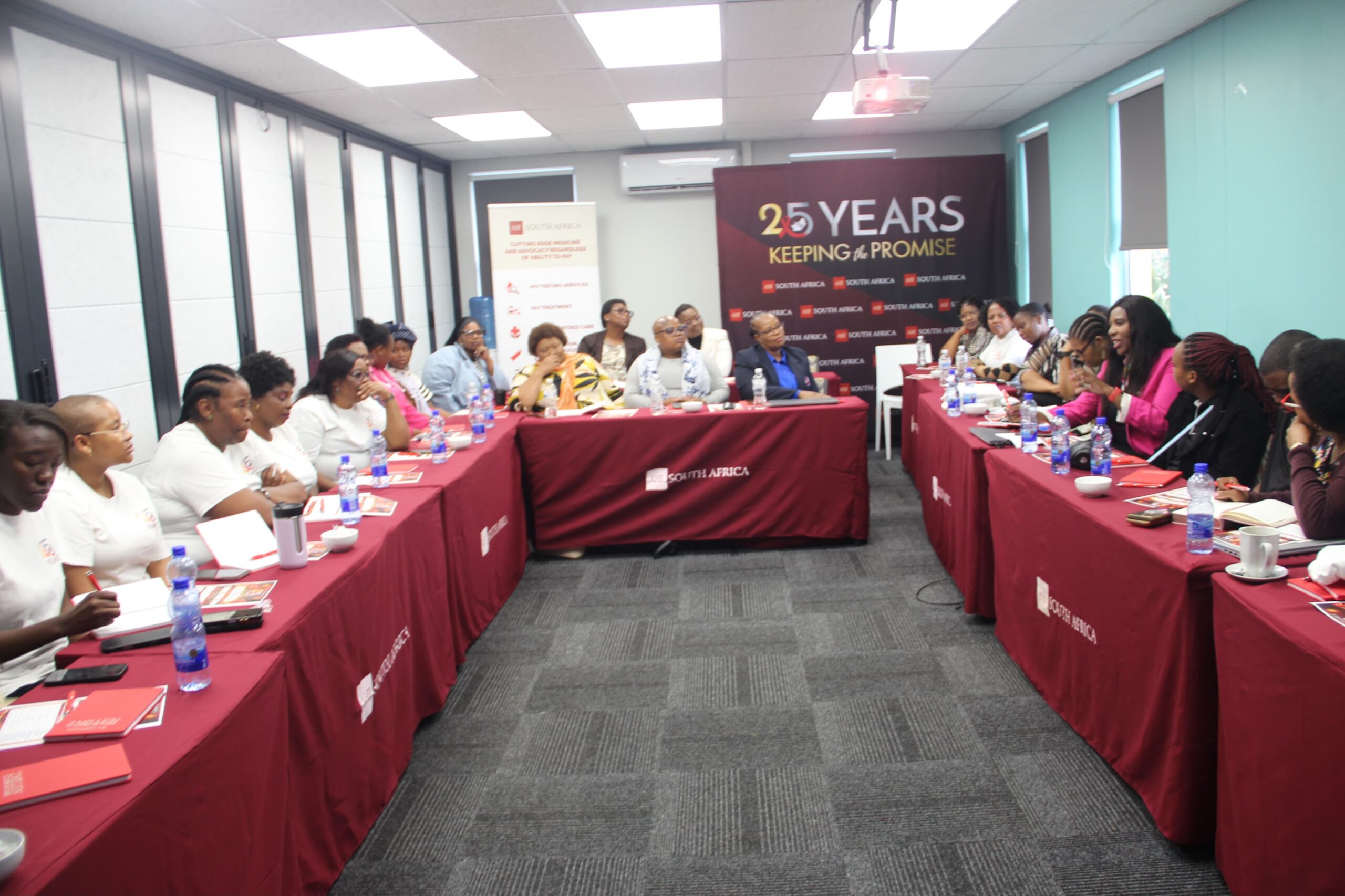
EAST LONDON- The Eastern Cape Department of Water and Sanitation is hosting a crucial 3-day workshop at the Blue Lagoon Hotel in East London focusing on sanitation service delivery in the province. The Excrete Flow Diagram workshop, running from 12 to 14 November 2024, brings together municipalities to tackle the pressing issues in sanitation services.
By hosting this workshop, Eastern Cape department of Water and Sanitation demonstrates its commitment to prioritizing sanitation service delivery and ensuring a healthier environment for its municipality’s.
In a bid to tackle the world’s pressing sanitation challenges, experts are turning to a game-changing tool: Excreta Flow Diagrams(EFDs) or Shit Flow Diagrams(SFDs).
Chief Director responsible for sanitation services support at national department of water and sanitation Andre Vanderwalt said that, “The reason why we are here is that we have been chosen for water services authority for the Eastern Cape to develop the Excreta flow diagram, which is going to help us understand the flow of sanitation through the service chain.”
These visual representations map the entire sanitation service chain, shedding light on the safe and not-so-safe management of human waste.By providing a clear picture of how excreta moves from generation to disposal, EFDs/SFDs identify critical gaps and inefficiencies.
This valuable information informs policy decisions, guides targeted interventions and monitors progress toward the United Nations’ Sustainable Development Goal(SDG) safely managed sanitation.
In addition Director at Eastern Cape Department of Water and Sanitation in water services management Amanda Sizani said, as the Eastern Cape province they are really happy for the national office to help them with this cause, because it will make sure that the sanitation issues are resolved.
“On day three we will come up with reports for municipalities showing them where they must improve, this report will help them to take it to the officials to overlook the budget for things needed to be fixed,” Sizani added.
From governments to grassroots organizations, stakeholders are leveraging EFDs/SFDs to assess sanitation infrastructure, develop effective solutions and ensure sustainable practices.
The impact is profound: reduced health risks, protected environments and dignity restored to communities worldwide.
As the global sanitation crisis continues to unfold, EFDs/SFDs have emerged as a vital instrument in the quest for a healthier, more sustainable future.
Elam Zintle Tsita & Nontando Mbonwa
13 November 2024








Leave a Reply