


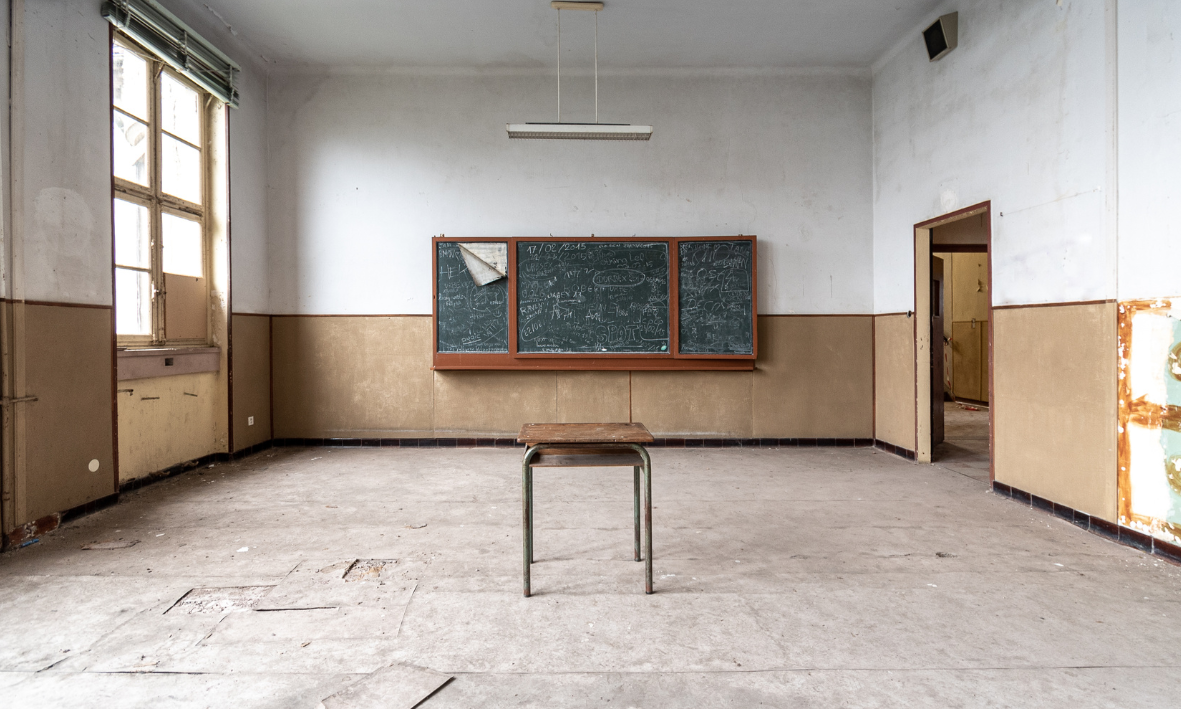
KUGOMPO CITY- The Eastern Cape Department of Education(EC DoE) has committed more than R2.3 billion to school infrastructure during the 2026 financial year as it moves to tackle unsafe buildings, overcrowding, inadequate sanitation and declining learner numbers at some schools.
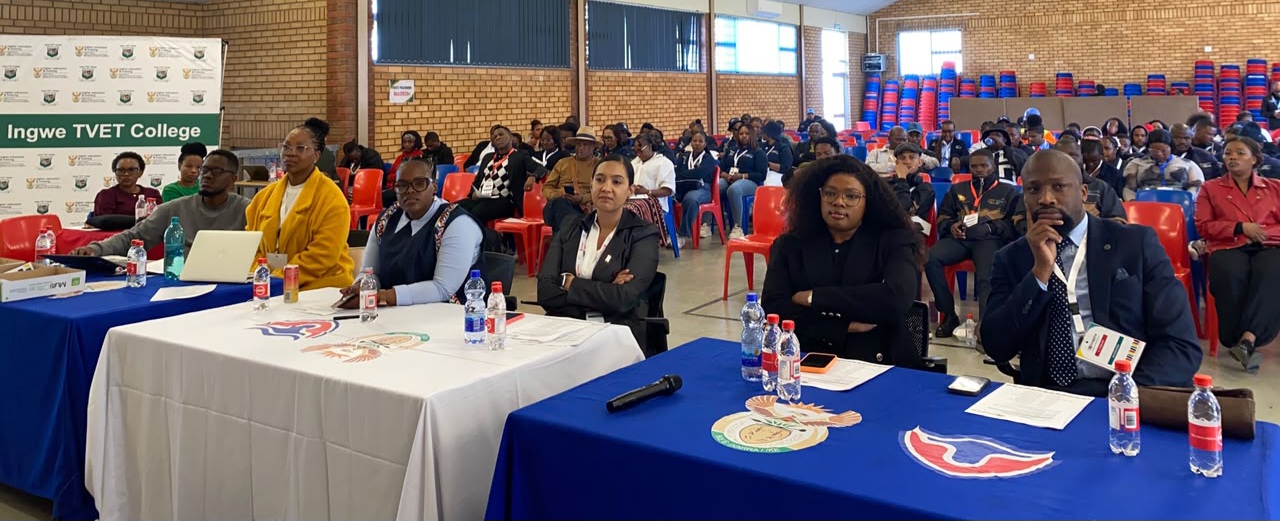
The department’s plans were outlined during a media briefing in KuGompo City at Madla Makupula Leadership Institute where MEC for Education Fundile Gade and Head of Department(HoD) Sharon Maarsdorp addressed some of the major challenges confronting schools across the province.
One of the concerns raised was the declining number of learners at some schools as parents increasingly move their children to institutions they believe offer better facilities and stronger academic results.

According to Maarsdorp, some schools are now operating with fewer than 100 learners.
She said the department had a responsibility to improve these schools and restore parents confidence in them.
“It is our responsibility to develop and motivate these schools so that they also become attractive,” Maarsdorp said.
Gade said the challenge of small schools was particularly sensitive in communities where schools carry the names of respected community leaders or ancestors.
He said this often made communities reluctant to support the closure of schools with very low enrolment numbers.
At the same time, the department said school infrastructure was facing additional pressure from learners who attend schools without being officially registered.

Because funding and resources are allocated according to the number of officially registered learners, the presence of additional unregistered learners places pressure on classrooms, sanitation facilities, furniture and learning materials.
The department said this also contributes to the faster deterioration of school infrastructure.
Furthmore, the more than R2.3 billion infrastructure allocation for the 2026 financial year will be used for a range of projects, including replacing unsafe school buildings, improving sanitation, providing reliable water supplies and constructing additional classrooms.
Despite delays caused by funding constraints and natural disasters, the department said progress had been made on its infrastructure programme.
So far, 375 additional classrooms have been completed while 15 replacement schools have been built and 13 new schools have officially been handed over.
The department said the new schools were designed to provide improved learning environments, including modern science laboratories and subjects aimed at equipping learners with practical skills for the future.
Maarsdorp also highlighted what she described as progress in the department’s financial management.
“For the first time under my leadership, the department can fully account for its finances,” she said.
She added that the department had ensured that funds were spent only on schools within the province and that service providers were paid on time.
In addition the department said improving education infrastructure could not be achieved by government alone.
Parents, teachers, school governing bodies and communities were urged to work together to protect school infrastructure, strengthen struggling schools and create learning environments in which children can succeed.
Officials said the broader objective was to ensure that schools across the Eastern Cape including smaller schools become institutions that communities can have confidence in and where learners have the opportunity to thrive.
Okuhle Nqana
11 August 2026










Leave a Reply