

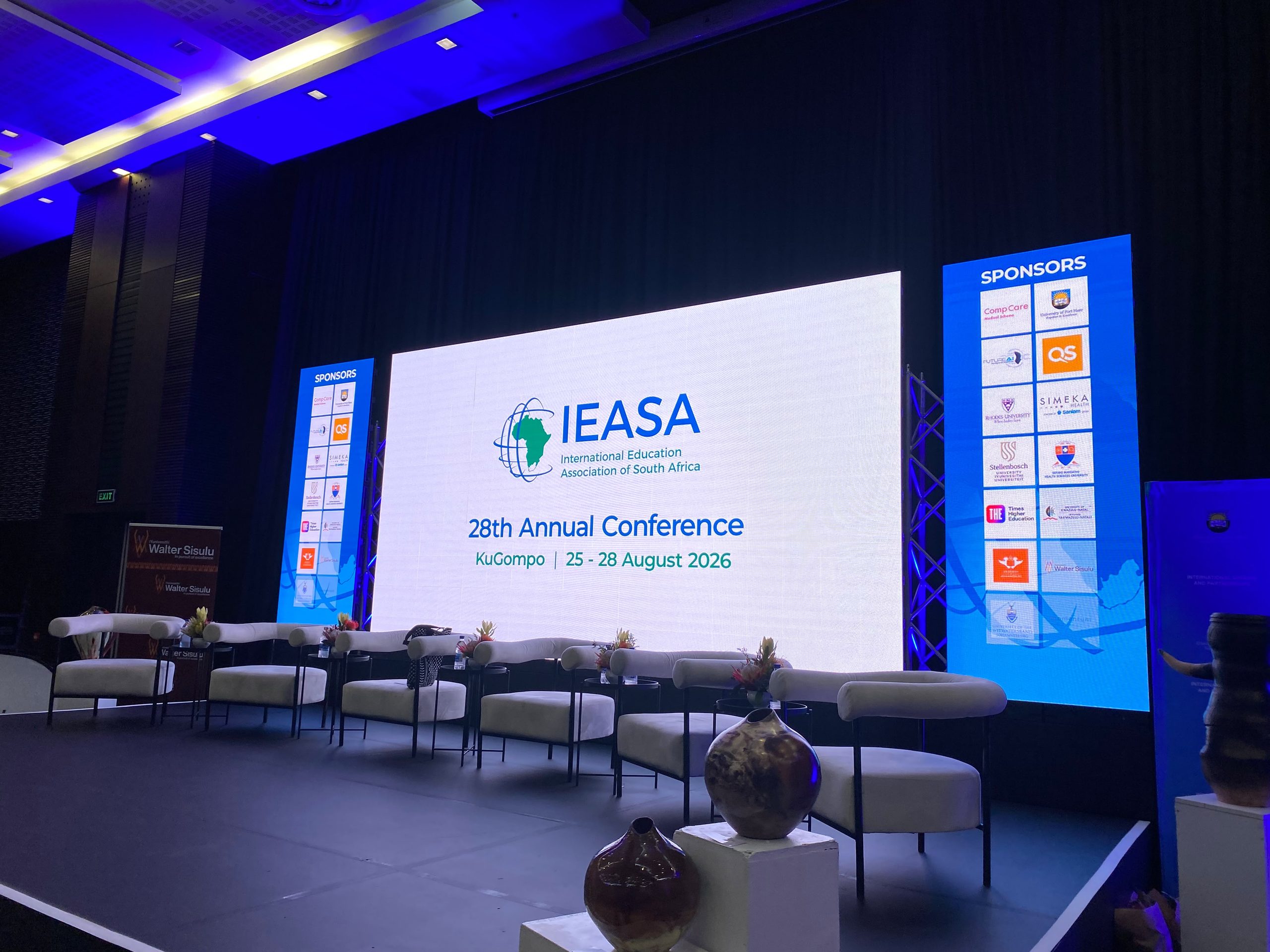
KUGOMPO CITY- South Africa cannot demand International recognition while closing its doors to academics and students from the rest of Africa, Stellenbosch University distinguished professor Jonathan Jansen told an International higher-education conference in KuGompo City.
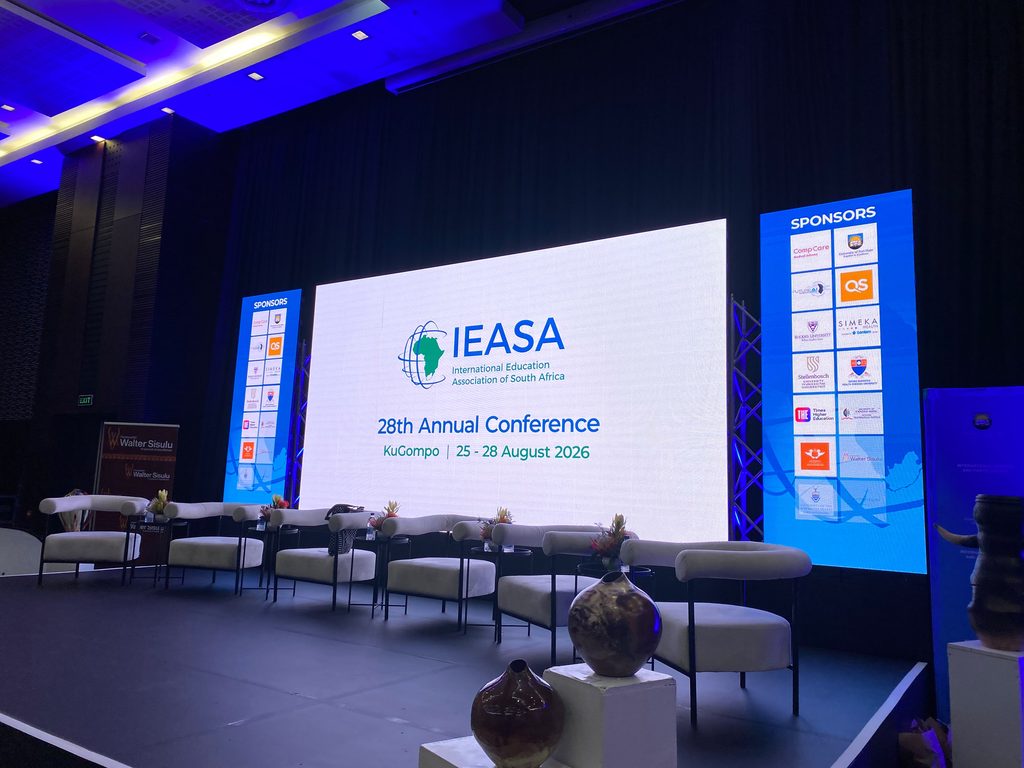
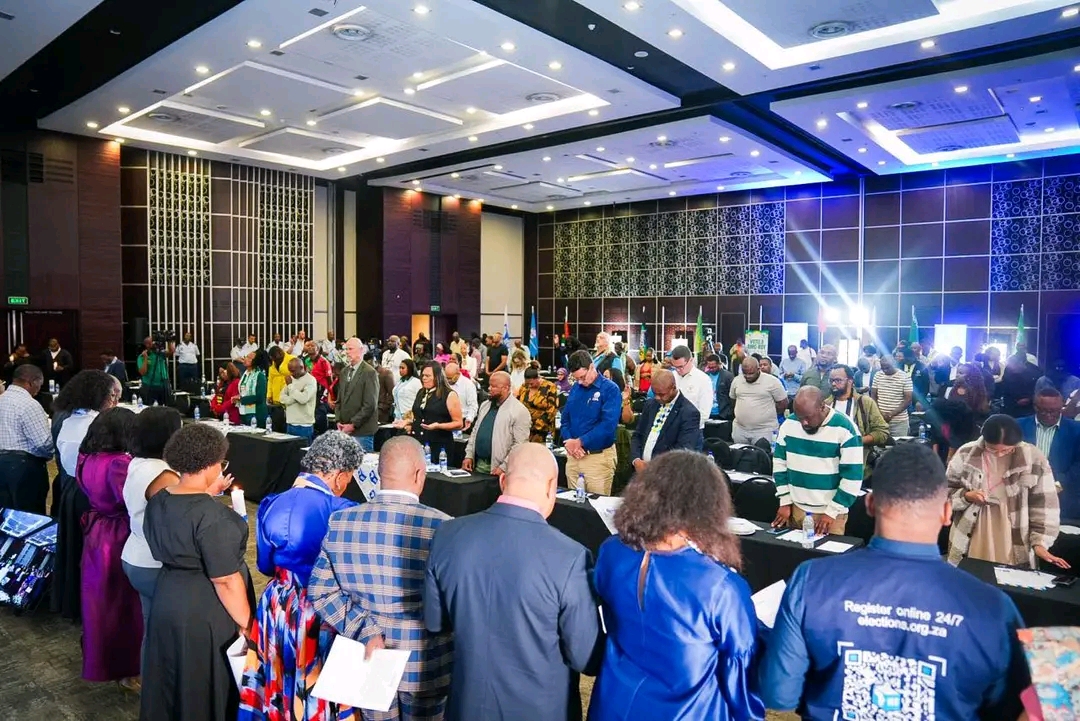
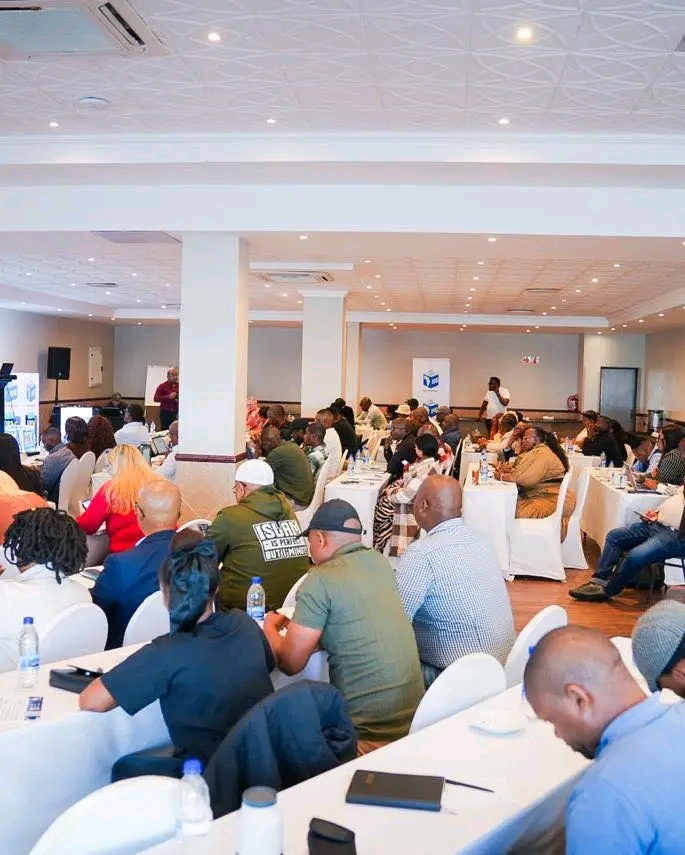
Jansen delivered a scathing critique of what he described as ‘academic xenophobia’ during the opening of the 28th International Education Association of South Africa (IEASA) annual conference at the East London International Convention Centre in KuGompo City on Wednesday.
The three-day conference, which runs until Friday is being held under the theme Rewriting the Agenda: Internationalisation Through a Global South Lens.

Jansen said xenophobia and internationalisation were fundamentally incompatible and warned that South African universities risked undermining their own international standing if they participated in policies that excluded foreign academics and students.
“My first thesis is quite simple. Xenophobia and internationalisation are incompatible. Period,” Jansen said.
He argued that universities should not simply follow political pressure when determining who belongs in the academic community.
“A South African university is not a department of state, is not a political party and is not a religious organisation,” he said.
Jansen also criticised what he described as growing hostility towards African migrants and academics, saying xenophobic attitudes were no longer restricted to communities such as Diepsloot and De Doorns.
He directed particular criticism at the Department of Home Affairs and what he called a “thuggish Portfolio Committee on Higher Education.”
Jansen challenged IEASA to take a more assertive position in defending internationalisation.

He called on the organisation to consider renaming itself Southern Africa, publish evidence-based position papers and establish a policy desk capable of publicly challenging xenophobic statements made by universities and government.
He also issued a blunt challenge to institutions that maintain international offices while failing to defend foreign scholars.“If you cannot defend foreigners, shut down your international offices,” Jansen told delegates.
The remarks came as senior higher-education figures used the conference to argue that South Africa’s universities must rethink internationalisation amid geopolitical instability and the rapid expansion of artificial intelligence.
Deputy Minister of Higher Education and Training Dr Nomusa Dube-Ncube said government supported IEASA’s work at a time when the global environment was becoming increasingly challenging.
“We support, as the DHET, IEASA holding this conference because we are working indeed in a challenging time globally,” she said.
Dube-Ncube said shifting geopolitics and artificial intelligence were changing higher education but argued that African countries needed to determine their own priorities rather than simply respond to agendas developed elsewhere.
University of Fort Hare, Acting Vice-Chancellor Dr Nthabi Taole-Mjimba said internationalisation was deeply embedded in the institution’s identity.
“For us at Fort Hare, internationalisation is not a new concept. It is who we are,” she said.
Taole-Mjimba said the university’s Pan-African history had helped it produce leaders from across the continent. She said hosting the conference in the Eastern Cape also placed a rural university at the centre of conversations about the future of global higher education.
In addition Rhodes University Director of Global engagement Orla Quinlan said internationalisation required universities to recognise that their own assumptions were not universally shared.
She described IEASA as a community representing South Africa internationally and said many of the world’s major challenges crossed national borders.
“Some of the world’s problems, like climate change, poverty and security, affect all of us equally,” Quinlan said.
She also urged delegates to recognise the diversity of modern workplaces, where people from different cultural backgrounds increasingly work together.
Courtesy of IMAGE: Siphosethu Rexe






Leave a Reply