

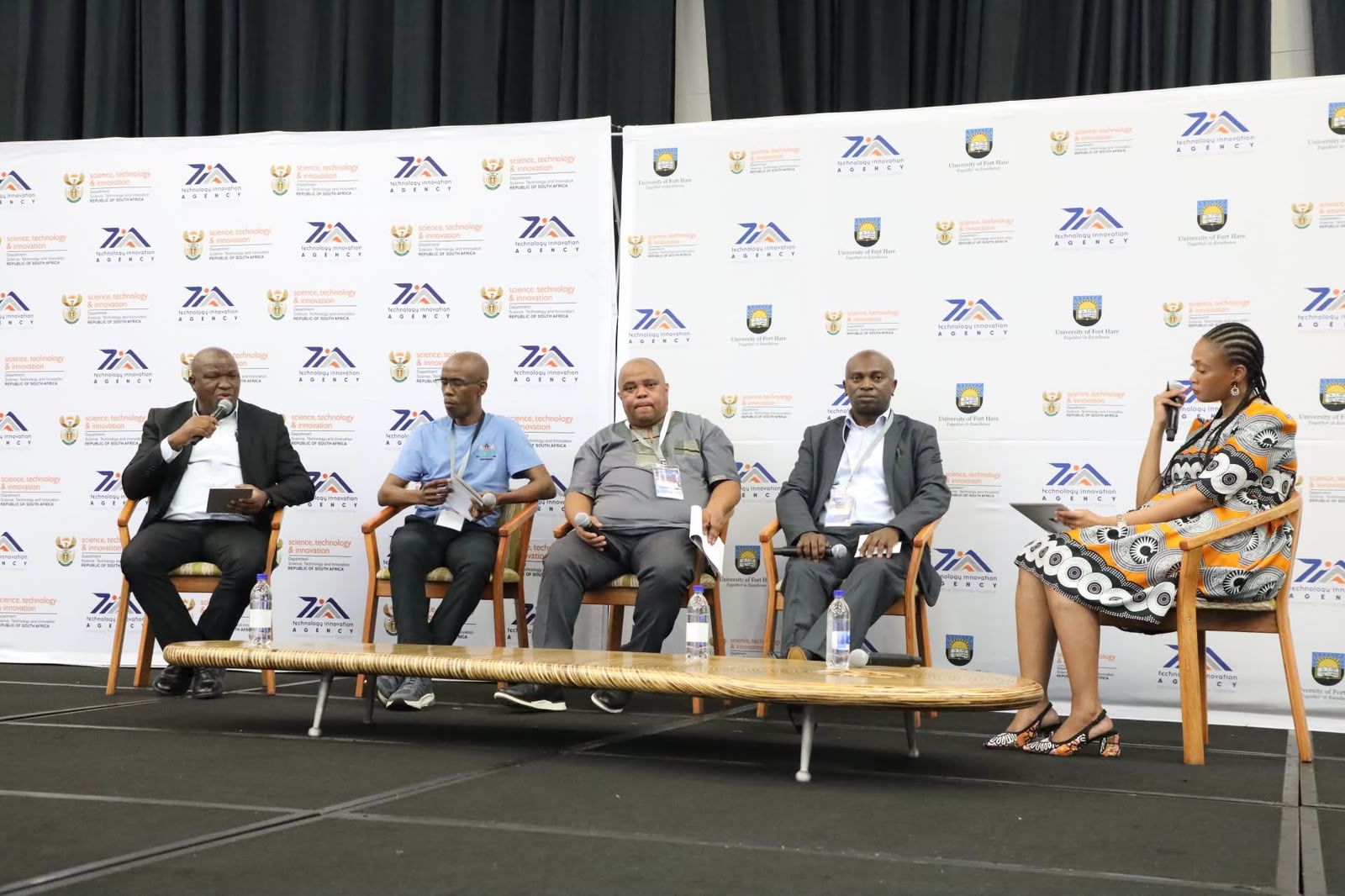
KUGOMPO CITY -The Technology Innovation Agency (TIA) an entity of the Department of Science, Technology and Innovation in collaboration with the University of Fort Hare (UFH) and the East London Industrial Development Zone (IDZ), hosted the Indigenous Knowledge Systems (IKS) Bio Trade Indaba from 21 to 23 September 2026 at the East London International Convention Centre (ICC) in KuGompo City.
The IKS Bio Trade Indaba was a thought leadership platform on innovation and commercialisation of South African indigenous knowledge based innovation as well as intellectual property protection.
However, it convened indigenous knowledge holders, researchers, innovators, entrepreneurs, universities, policymakers, investors, development entities and industry players to explore practical ways to turn indigenous knowledge based innovations into inclusive enterprises that beneficiate the country’s rich biodiversity.

The Indaba was hosted under the theme ‘From Heritage to Enterprise: Commercialising Indigenous Knowledge Based Innovations for Inclusive Development,’ which focused on unlocking responsible commercialisation and socio-economic growth while safeguarding intellectual property and indigenous ownership.
Deputy Executive Secretary at Abalimi BoMya Association, Siyabu Fadane whose organisation showcased products derived from uMya said the plant carries a long history of traditional use and scientific interest.

“We work with uMya a plant we are permitted to use and it has a history of being used by our ancestors for chest pains,” Fadane said.
“It was also tested by universities and they found that uMya also known as TK helps with cancer,” he said.
While Chief Executive Officer (CEO)of Rus Abednigo’s Agric and Herbal Services and co-founder of Herbal Juice, Abednigo Hlomza from Qumbu showcased a beverage made from stinging nettle, moringa and cannabis an enterprise he registered in 2024 after years of informal practice.
“In this product, I used traditional herb such as stinging nettle as one of my most trusted ingredients along with moringa and cannabis,” Hlomza said. “I grew up using herbs not as a business but to help people. Through people’s encouragement I made my business formal so that it can be tested,” he said.

Hlomza said despite growing demand, product stability and funding remain major hurdles. “Since it consists of weeds, I am not sure of its strength and shelf life. You can make 50 bottles and they can become spoilt or acidic after just three days,” he said.
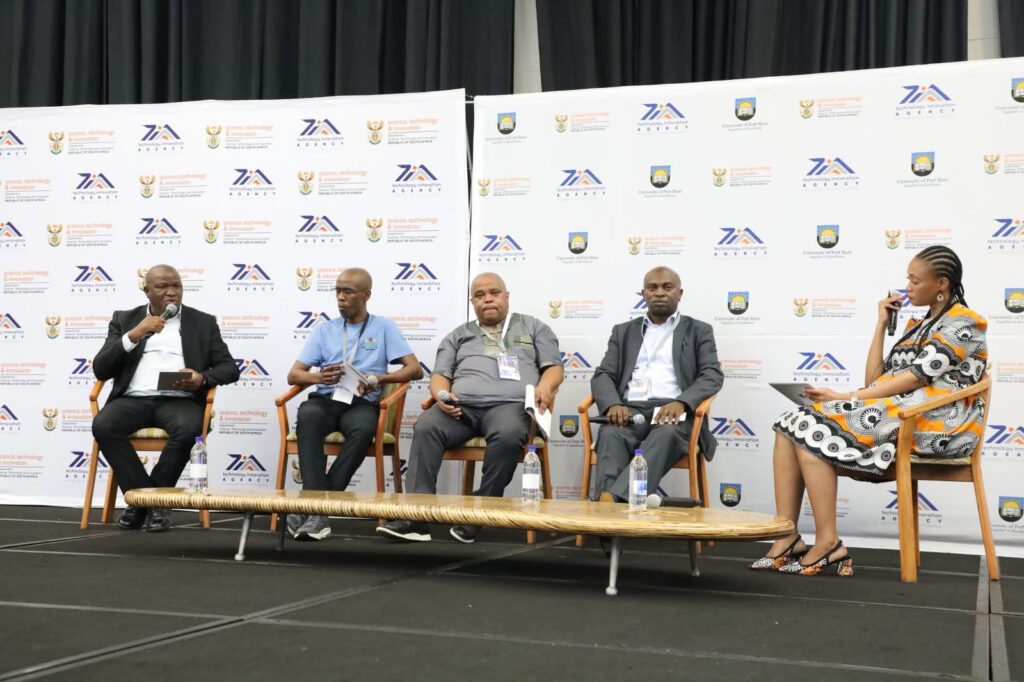
Head of the Indigenous Knowledge Systems Business Unit at TIA, Vuyisile Hobololo said TIA sponsors institutions to host such platforms to raise awareness about its mandate and support for innovators.
“We select an institution and sponsor it to work with us to host events of this kind. This event has people from all over, including international delegates from the UK and Lesotho,” Hobololo said.
“When we came to the Eastern Cape, we made about four major investments as the Indigenous Knowledge Systems Business Unit at TIA,” he said.
Hobololo emphasised that one of the flagship investments is the establishment of a Centre of Innovation and Entrepreneurship at Port St John’s in partnership with Abalimi BoMya to formalise cannabis extraction for the cosmetics industry.
“We have established a Centre of Innovation and Entrepreneurship at Port St John’s with Abalimi BoMya. Those guys have been cultivating and selling cannabis, perhaps underground. We are putting up a facility that will help them extract cannabis as an input for the cosmetics industry. We have put in money as TIA and our partners have also put in money,” he said.
The three day Indaba concluded with a call to strengthen linkages between indigenous knowledge holders and formal markets with delegates agreeing that sustainable commercialisation supported by research, funding and intellectual property protection is key to transforming heritage into viable enterprises that benefit Eastern Cape communities.









Leave a Reply