


KUGOMPO CITY- The Eastern Cape must move beyond producing job-seekers and start building a generation of young entrepreneurs able to create jobs, a provincial entrepreneurship symposium has heard.
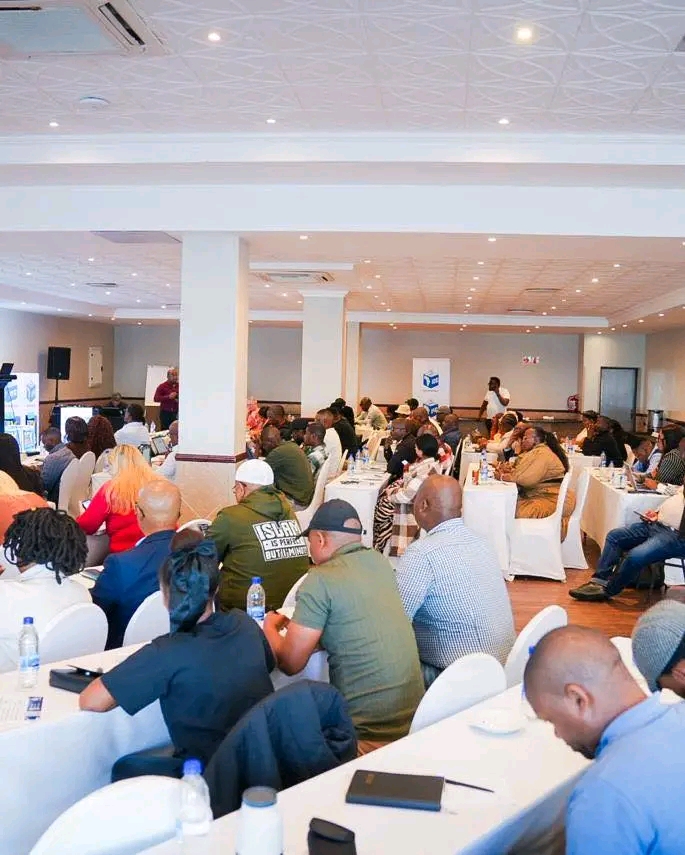
The call came as government, colleges, business and development partners gathered at the East London International Convention Centre in KuGompo City for the Provincial PSET Entrepreneurship and Alternative Pathways Symposium, which runs from 25 to 27 August 2026.
The three-day symposium, convened by the Eastern Cape Socio-Economic Consultative Council (ECSECC) in partnership with the British Council, University of Fort Hare and Cortex Hub is being held under the theme ‘Institutionalising a Provincial Enterprise Ecosystem.’

At the heart of the discussions is how the province can better connect young people’s skills and ideas with markets, funding and real economic opportunities.
ECSECC Chief Operating Officer Akhona Nelisa Tinta said the organisation, an entity of the Office of the Premier, brings together higher education institutions, business, local government and civil society to support the province’s development agenda.
“One of the responsibilities is to create strategic advice for solutions of the problems that we are facing,” Tinta said.
She said the Human Resource Development Council for the province had identified the need for a provincial enterprise ecosystem as part of efforts to address the challenges facing young people.
While previous annual symposiums had focused largely on labour absorption, this year’s gathering had shifted towards alternative pathways into the economy because of the scale of youth unemployment.
Tinta emphasised that ECSECC had also entered into a partnership with the British Council to bring international expertise and perspectives on entrepreneurship to the province.
Delivering the keynote address on behalf of Eastern Cape Premier Oscar Mabuyane, Department of Public Works and Infrastructure MEC Siphokazi Lusithi challenged stakeholders to measure training not only by qualifications but by its economic impact.

She also identified government procurement as an important lever for developing youth-owned enterprises.Lusithi said R5 Billion in state procurement between April and June had gone to businesses owned by women, young people, persons with disabilities and military veterans of that amount, youth-owned businesses accounted for R1.3 Billion, she said.
For the organisers however, access to procurement opportunities must be matched by businesses that are properly prepared to enter the market.
Furthmore, Urban Rural Creative Lab Director who moderated a session on financing vocational entrepreneurship, Papama Mnqandi said the province could no longer ignore entrepreneurship as one of the possible responses to youth unemployment.
“Youth unemployment in South Africa is a serious problem we are facing, more especially in the Eastern Cape,” Mnqandi said.
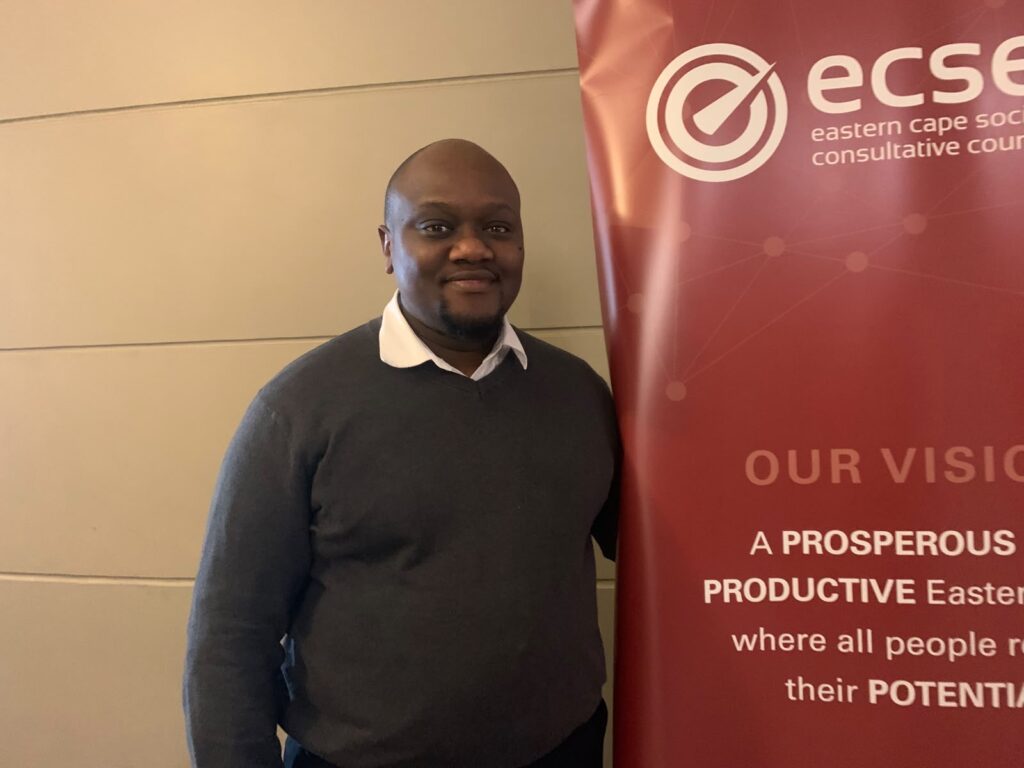
He said significant government investment through the National Skills Fund had gone into the TVET sector but much of the training remained geared towards preparing young people to seek employment rather than create businesses.
The symposium, he said was intended to bring together banks, development finance institutions, investors and other stakeholders to create a more coordinated approach to financing vocational entrepreneurship.
“We want businesses, by the time they are funded, to have identified their market,” Mnqandi said.
In addition the Department of Higher Education and Training said it was also working to embed entrepreneurship more firmly within the TVET system.
Acting director for TVET colleges in the Eastern Cape Phumeza Mbontsi said a newly launched Community of Practice initiative, facilitated through ECSECC, would bring together TVET colleges and entrepreneurship co-ordinators to strengthen entrepreneurial training.
“As DHET we are here to launch the Community of Practice initiative done by ECSECC amongst the colleges, that is TVET colleges and also with entrepreneurship coordinators, because we are teaching our kids not to seek for jobs but rather be employers,” Mbontsi said.
She said every TVET college should ultimately have an entrepreneurship hub so that students in rural and smaller towns, including Maluti, Mount Fletcher and Graaff-Reinet, were not excluded from economic opportunities.Mbontsi also highlighted the importance of technical skills as the country marks TVET Month in August, saying colleges should become a first choice for school leavers.
“I have never seen a rich teacher, at least I have seen a rich plumber in our lives, I have seen a rich welder,” she said.
The symposium’s broader objective is to ensure that entrepreneurship does not remain a policy discussion but becomes a practical pathway into the economy.
Organisers say this means matching young people’s talent with opportunities, markets and appropriate funding, while helping promising ideas developed in TVET colleges grow into sustainable enterprises.
The symposium concludes on 27 August with the adoption of a Provincial PSET Entrepreneurship Declaration, which is expected to set out commitments towards strengthening the province’s enterprise ecosystem.
Siphosethu Rexe
26 August 2026















Leave a Reply