EAST LONDON– The Eastern Cape Department of Education(EC DoE) has taken a decisive step toward an inclusive and equitable education system by hosting a two-day Inclusive Education Indaba focused on transforming schools to better serve all learners, particularly those with special educational needs.
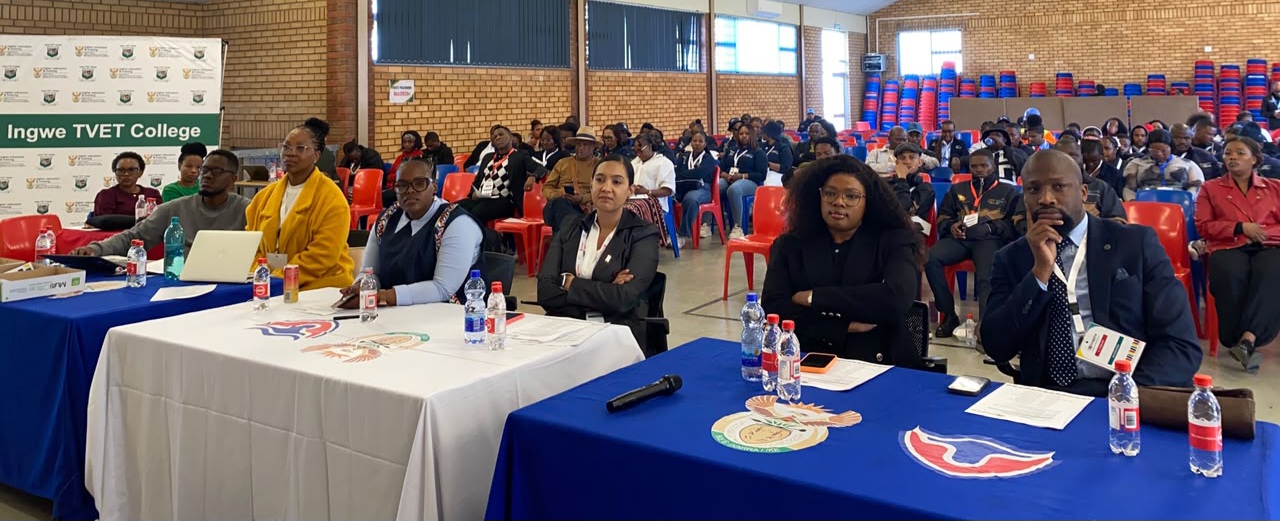
The Indaba which took place at the Regent Hotel in East London on 11 to 12 November 2025 brought together education stakeholders, government departments and social partners to finalise key frameworks that will strengthen inclusivity across schools in the province.

A major focus of the gathering was the finalisation of an action plan to identify and support out-of-school learners, along with the standardisation of the Support Provisioning Model (SIAS/Levels 1–7). The Department also explored the introduction of a new funding model aimed at improving resource allocation and ensuring fair and efficient distribution of support to schools and learners with special needs.
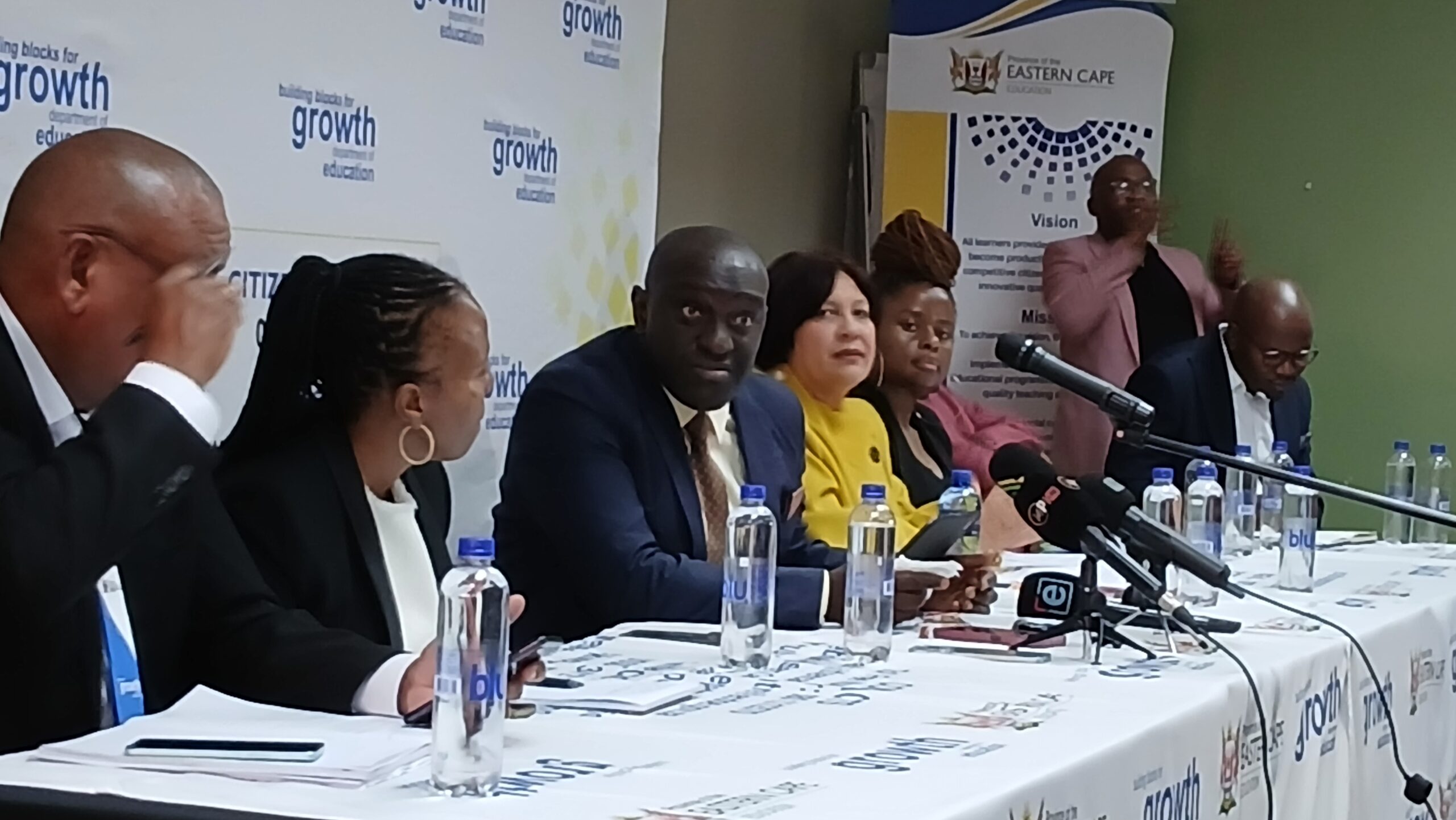
Delivering keynote address at the Indaba, MEC for Eastern Cape Department of Education Fundile Gade stressed that inclusive education must go beyond access to schooling.
“Our schooling system must not just be about access but also about how the content relates to the realities that learners with disabilities face shaping them to participate meaningfully in the economy and as citizens contributing to national development,” he said.
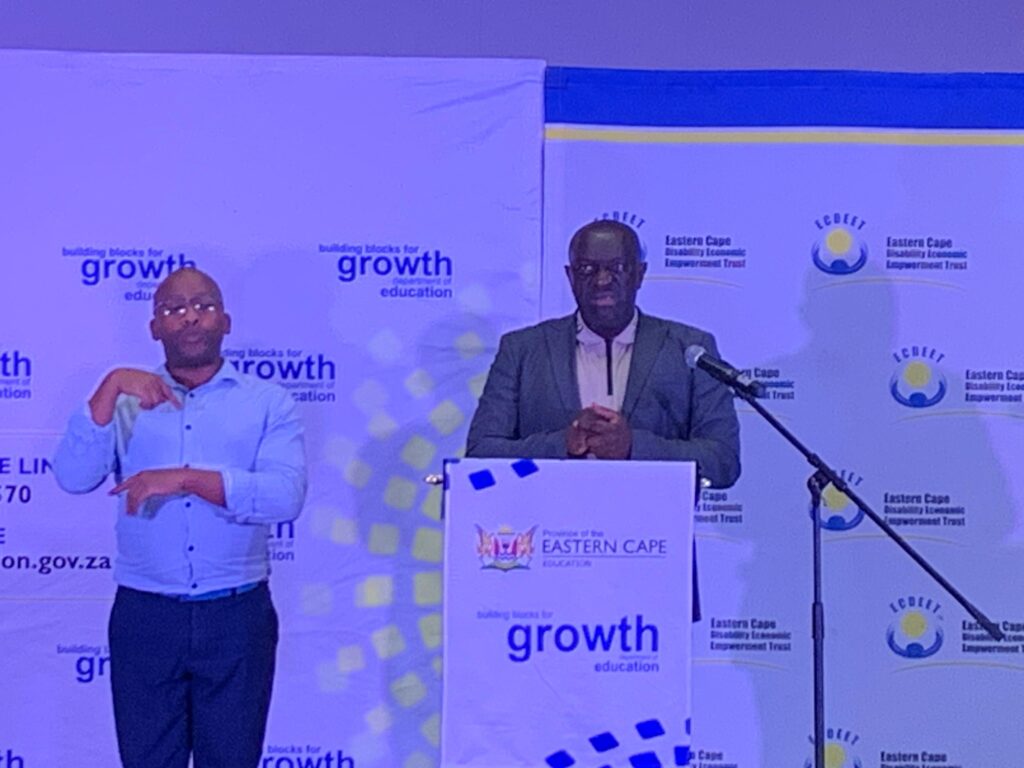
He also added that, “We still have to be aggressive in retraining, redeveloping and repurposing educators, we also need to work closely with universities to ensure that teacher training includes strong content on disability and inclusivity, so that future educators are fully prepared to meet the needs of all learners.”
MEC also expressed concern over the National School Nutrition Programme (NSNP), calling for a national review to enhance transparency and accountability. He highlighted that the programme’s R13 billion national budget, including R1.9 billion for the Eastern Cape, must show clear benefits such as job creation, support for small farmers and local economic growth. He emphasised that while disciplinary actions are important, the department must prioritise preventing financial misconduct through stronger internal controls, emphasising that government’s duty is to protect the public purse, not make it vulnerable.

Furthmore, South African Democratic Teachers’ Union (SADTU) provincial secretary in the Eastern Cape, Malibongwe Ntame commended the Department of Education for hosting the Inclusive Education Indaba, calling it an important platform for collaboration among all education stakeholders.
He said true inclusion means ensuring no child is left behind regardless of their background or abilities and expressed hope that the Indaba will deliver practical outcomes to better resource schools and promote social justice.
Adding a personal perspective, the founder of Mothers of Children with Autism (MOCWA), Nomsa Masoka Zulu, shared her journey of raising a child diagnosed with autism. Despite her professional experience, she said the sudden onset of her son’s condition was overwhelming.
She described the emotional and social challenges parents face, from coping with a late diagnosis to navigating therapy, school placements and family life. Masoka highlighted the importance of parent support, noting that many parents feel isolated and judged. Inspired by her experience, she established MOCWA in 2015, a support group that now provides guidance, resources and training for parents of autistic children. She stressed that the education system must ensure that parents receive support and clear information after a child is diagnosed.
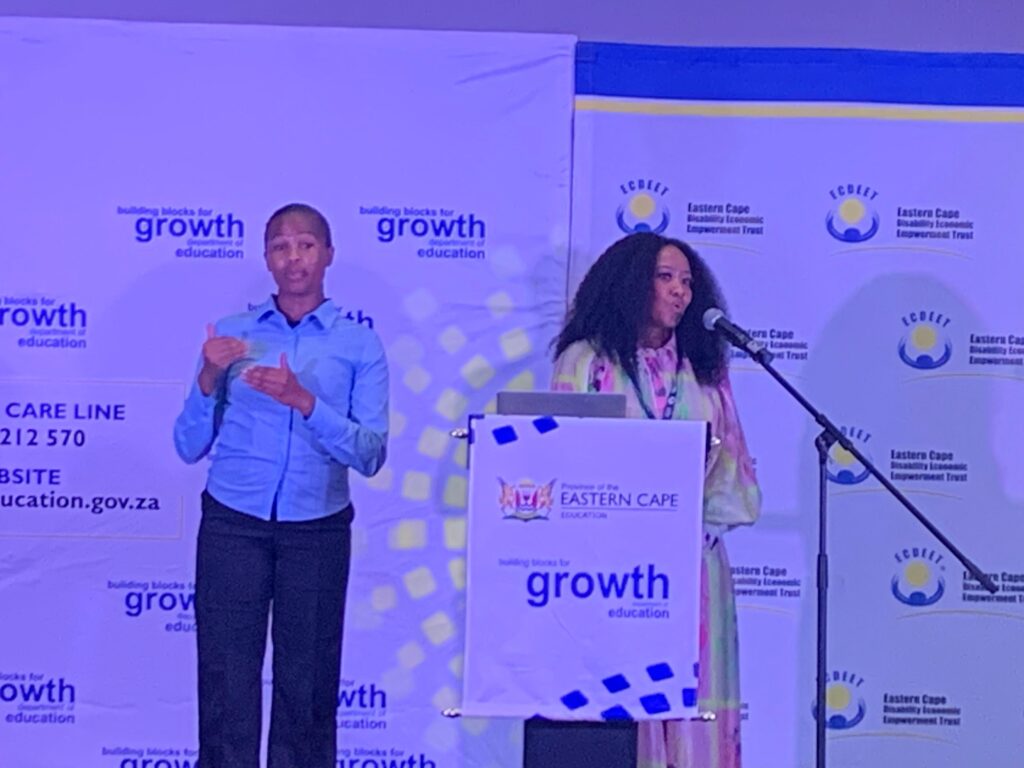
Masoka also highlighted the challenges of raising an autistic child, noting that “no two children are the same and parents must constantly adapt to their needs.” She opened an autism facility for him which is Daisy Autism Village, a facility providing sensory activities, life skills and therapy, where her son has thrived. She also published Unbreakable, sharing her journey and urging that, “The education system must involve parents in decisions about their children’s learning and future skills development.”
In addition the Inclusive Education Indaba underscored the Eastern Cape’s commitment to building an education system that leaves no learner behind.
By combining systemic reforms, adequate resources, empowered educators and active parental involvement, the province aims to ensure that all learners including those with special needs have the opportunity to thrive.
Photographs: Sandiswa Mgobo