

KUGOMPO CITY- University of Fort Hare (UFH) student leaders have renewed calls for urgent action to address poor accommodation conditions, NSFAS-related challenges and student safety concerns following an oversight visit by Higher Education and Training Deputy Minister Yusuf Cassim.
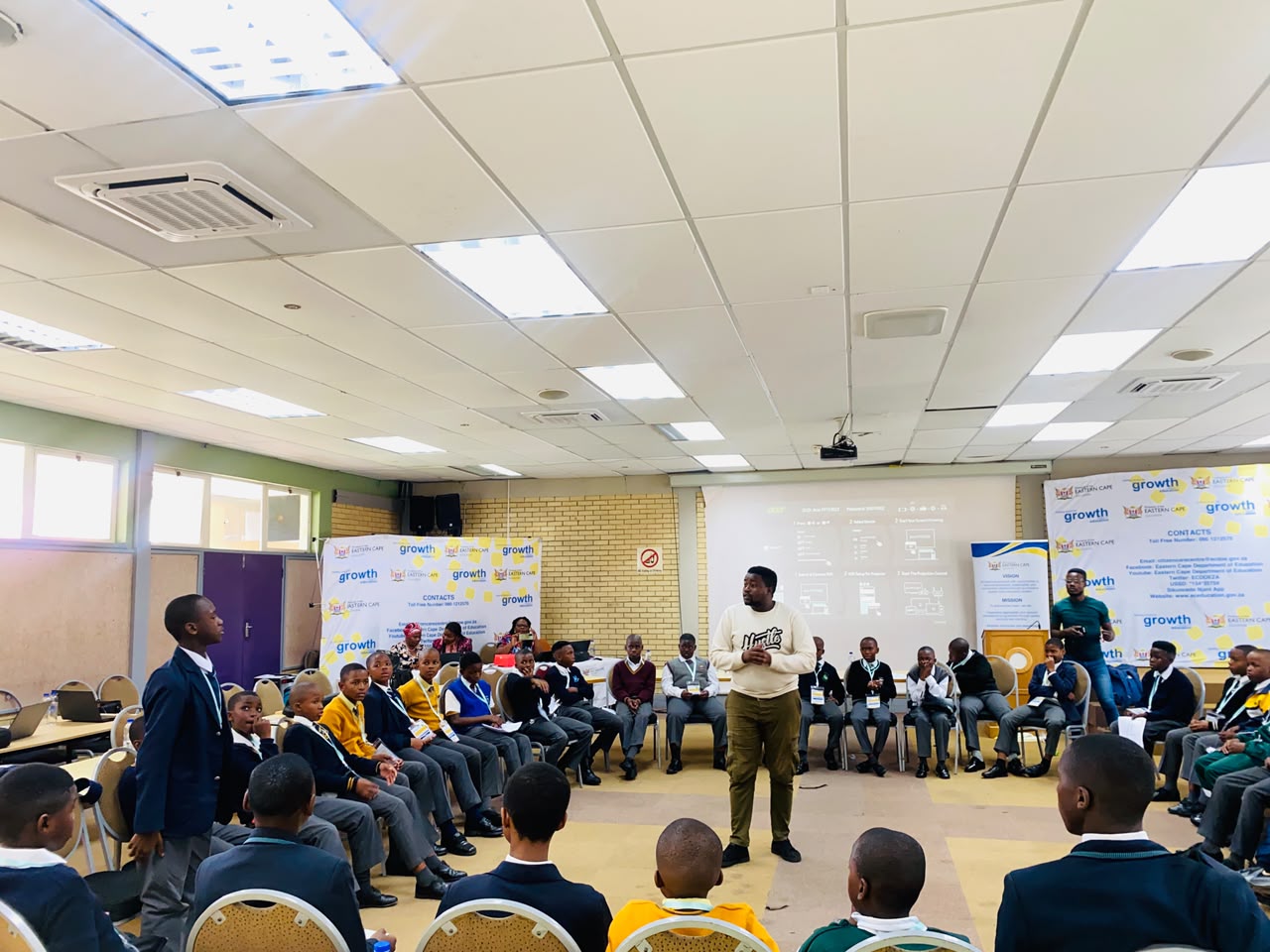
Cassim visited the university’s East London Campus at Miriam Makeba Hall on Monday, 05 October where he engaged with university management and the Student Representative Council (SRC) over concerns raised through his helpdesk.
The visit focused largely on student accommodation, the impact of NSFAS defunding and safety concerns affecting students.

SRC member Lundi Mkhosi said many of the concerns raised during the visit had already been brought to the attention of the university and the department during Cassim’s previous visit. “The issues we raised last year are still the same issues we are facing this year.
We only saw changes after management learned that the Deputy Minister was coming for a visit,” Mkhosi said.
ISRC President Azobe Ntloko called on NSFAS to ensure that students were placed in safe and decent accommodation.
“We urge NSFAS to place students in safe and decent residences that protect their well-being. Accommodation should be allocated based on the quality of services provided, not favouritism or relationships with landlords,” Ntloko said.

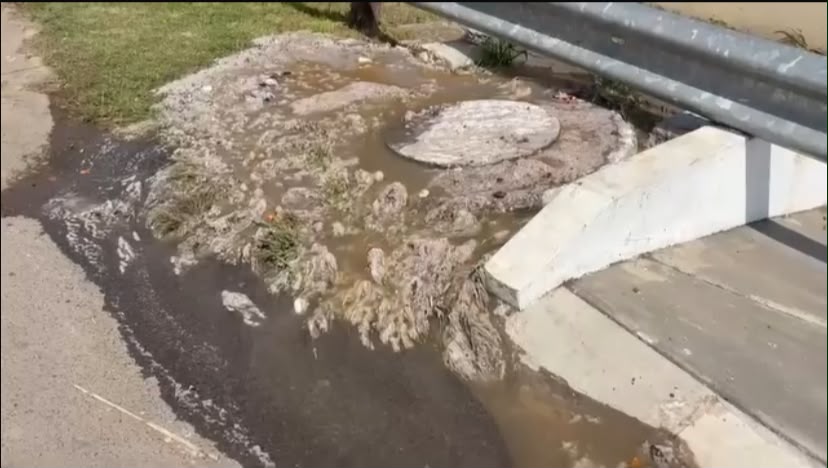
Student leaders raised concerns about the condition of some NSFAS-accredited residences, saying students were being expected to study and perform academically while living in unsuitable conditions.
They also questioned the accountability of NSFAS in addressing problems at residences funded through the scheme.
Acting UFH vice-chancellor Professor Mzukisi Njotini said the university was aware of many of the problems and had already begun working on some of them.
“We knew where we were in terms of student residences and had already taken measures to address some of the concerns,” Njotini said.
He said the university had attempted to move students from NSFAS-funded residences to accommodation under UFH’s control but the process had been complicated because the affected residences fell under NSFAS.
Njotini said a communication gap between the university and NSFAS had also contributed to the challenges.
“We picked up a clear gap in communication between NSFAS and the university. We need to close that gap so that information reaches the university quickly,” he said.
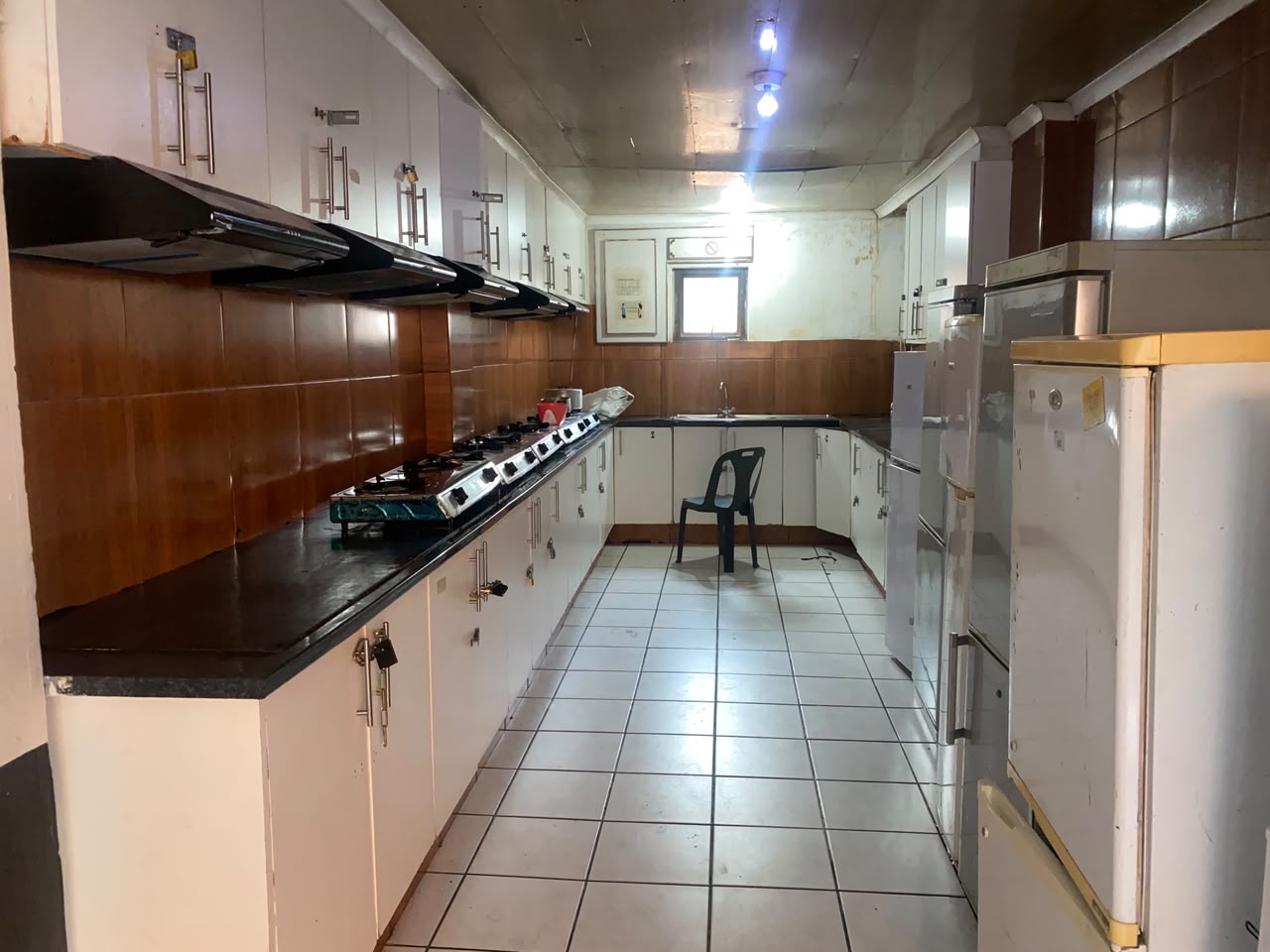
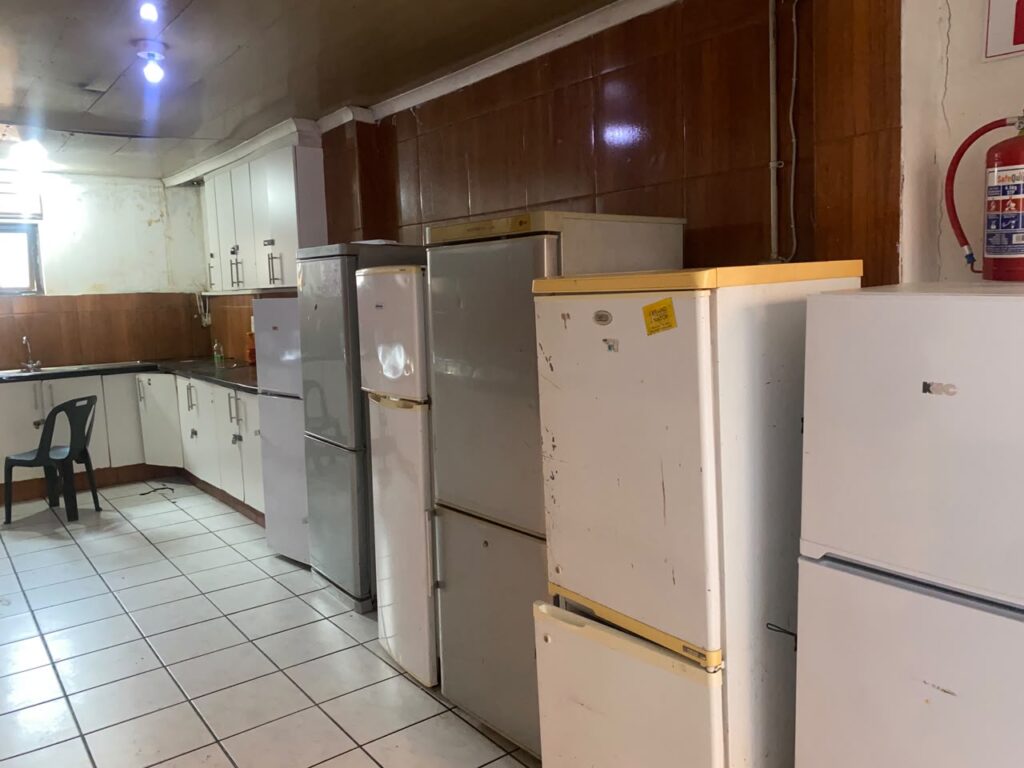
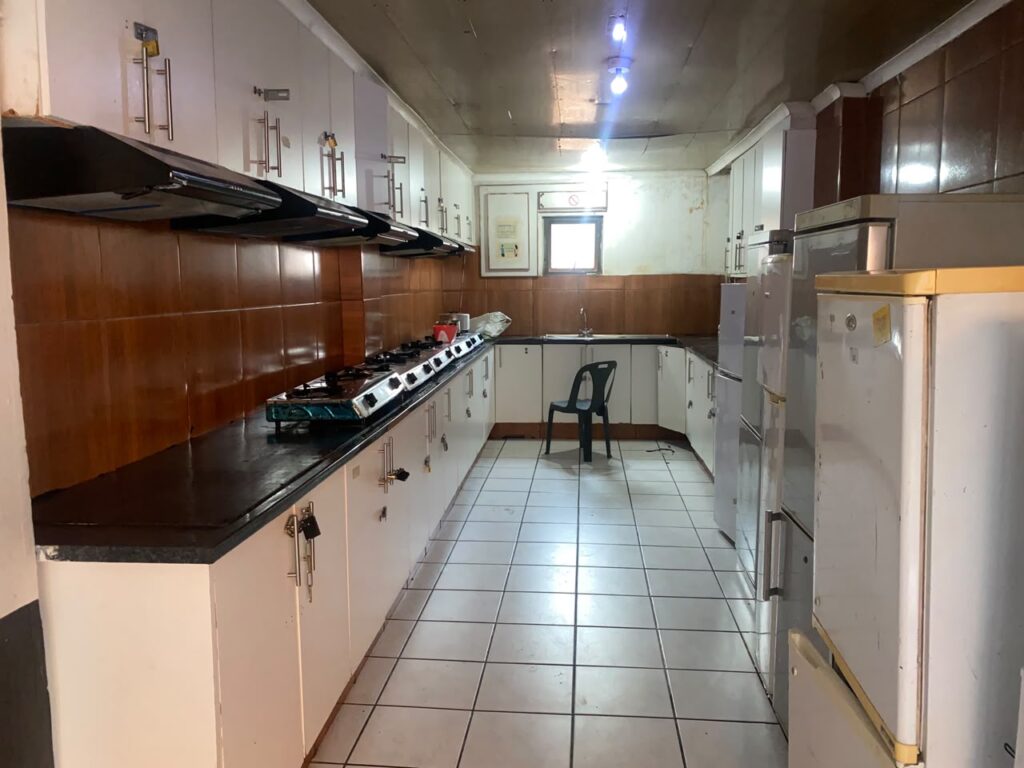
As part of the visit, Cassim toured NSFAS-accredited and leased student residences to assess the conditions firsthand.
The deputy minister said what he saw during the tour had highlighted serious concerns about the living conditions of some UFH students. “From this visit, we have seen the devastating living conditions of UFH students,” Cassim said.
He called on students to report residences they believed were in poor condition, saying formal inspections were expected to begin next week.
“We urge students to come forward with the names of residences that are in poor condition, as formal inspections will begin next week. We have been working closely with NSFAS to make sure that students are provided with safe, decent and suitable accommodation,” he said.
Njotini said the university had introduced patrol vehicles and strengthened its internal and digital security measures. He said the first phase of the security improvements had been completed, while further measures would depend on available funding.
He added that security personnel would receive additional training to improve the way they assist and guide students.
“I am not going to stand here and defend the university. We know the situation and we know that we have to improve,” Njotini said.
The oversight visit has placed renewed pressure on UFH management, NSFAS and student representatives to address accommodation concerns and improve communication.
With formal inspections expected to start next week, students and university stakeholders will now be looking for concrete interventions to improve living conditions and ensure that accommodation challenges do not undermine students’ safety and academic progress.
Courtesy of IMAGES: Okuhle Nqana






Leave a Reply