


KUGOMPO CITY- The Eastern Cape Department of Education has unveiled a series of intervention measures aimed at improving learner performance and strengthening the province’s 2026 National Senior Certificate (NSC) results after mid-year assessments showed learners were performing below target.
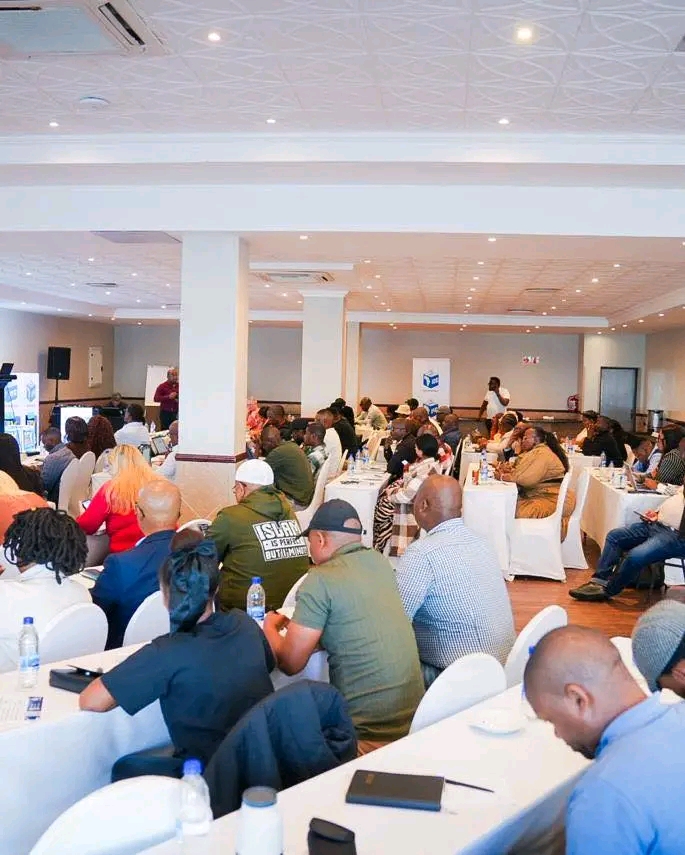
Speaking during a quarterly media briefing at the Mandla Makapula Education Leadership Institute in KuGompo City on Wednesday, MEC for EC DoE Fundile Gade said while the province had made significant progress in increasing learner participation and keeping pupils in school, more work was needed to ensure Grade 12 learners achieved quality results at the end of the year.
The department reviewed the Class of 2026’s Term 1 academic performance as schools began the third term, describing the results as an early indicator of how learners may perform in the final matric examinations.

Officials reported that learner performance had declined to about 78%, approximately three percentage points below the department’s target. However, they stressed that intervention plans had already been introduced to reverse the trend.
“Our mandate is teaching and learning. If learners fail, then we have not done our work well. The mandate of the Department of Education is teaching and learning,” Gade said.
He also emphasised the importance of creating safe learning environments, saying schools cannot be separated from the communities they serve.
“Schools are a microcosm of society. If communities are affected by crime and poor behaviour, schools will also face the same challenges,” he said.
Gade urged education officials and stakeholders to place learners at the centre of every decision.
“Whenever you make decisions that affect learners, remember that they are human beings first,” he said.

Furthermore the department said undocumented learners remain a significant challenge, as pupils who are not registered on the education system cannot be included in official planning and statistics. This often results in schools enrolling more learners than anticipated, placing pressure on classrooms, teaching resources and the distribution of learning materials.
Officials added that growing enrolment at high-performing schools has increased demand for additional classrooms and, in some communities, entirely new schools.
To improve academic outcomes, the department has introduced a range of learner support programmes, including strengthened curriculum leadership, enhanced teacher development, expanded Professional Learning Communities, increased school monitoring, data-driven assessment analysis, extra tuition classes, weekend lessons, academic camps and peer tutoring.
In addition the department also highlighted the success of its 2026 Winter School Programme, which was conducted at 320 centres across the province, with many districts hosting residential camps to improve attendance and provide intensive academic support.
“We remain confident that the Winter School Programme is one of the key pillars for improving learner achievement and reaching the province’s 2026 NSC targets,” Gade said.
Officials noted that schools participating in specialised Mathematics, Science and Technology (MST) programmes have consistently produced stronger academic results, demonstrating the value of targeted support.

Head of Department at EC DoE Sharon Maarsdorp praised education officials across the province for their commitment to improving learner outcomes.
“As the indicators show, this province is not the same,” she said.
The department also announced the introduction of a new online learner admissions system for Grade R, Grade 1 and Grade 8 admissions. The digital platform is expected to simplify applications, improve transparency and strengthen monitoring of learner placements.
Infrastructure development remains another priority.
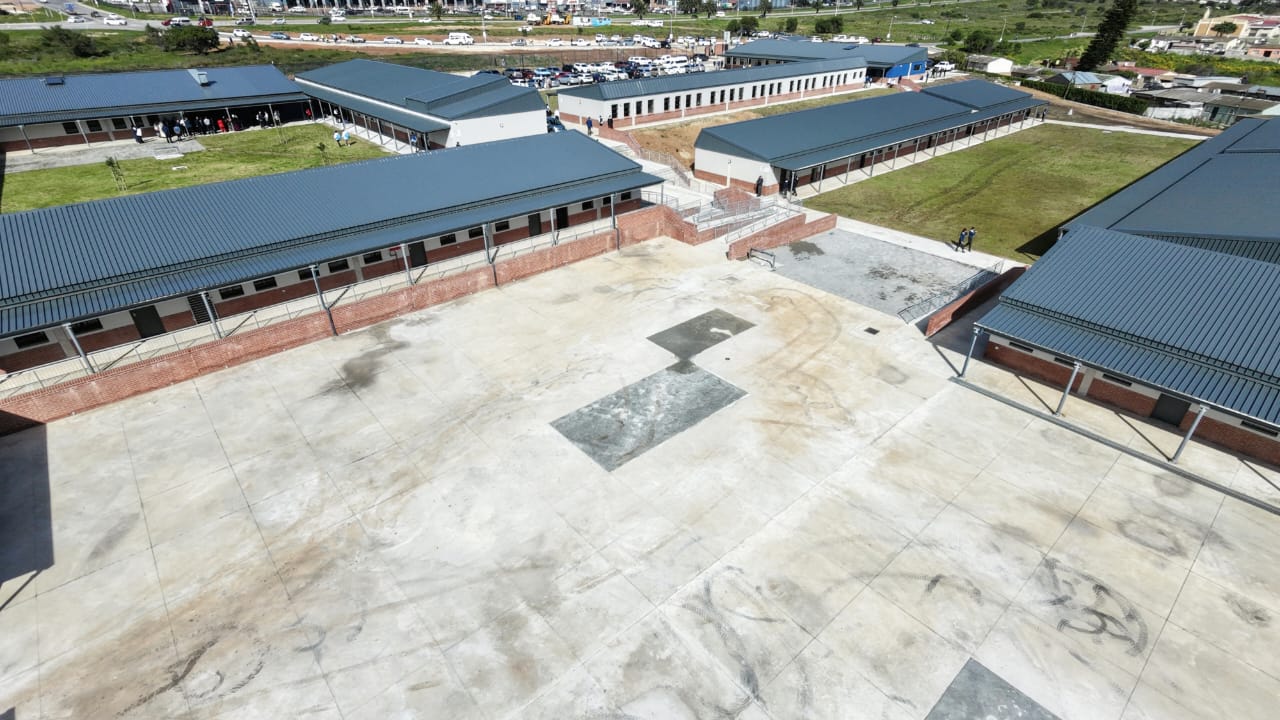
The department has allocated more than R2.3 billion towards school infrastructure during the 2026/27 financial year to replace unsafe schools, improve sanitation, provide reliable water infrastructure and build additional classrooms.
Although some projects have been delayed by funding constraints and damage caused by natural disasters, officials reported that 375 additional classrooms have already been completed, while 15 replacement schools have been built and 13 new schools handed over during the current financial year.
The department also reported progress in filling teacher and support staff vacancies and said ongoing recruitment and youth employment initiatives would create thousands of employment opportunities across the province.
Beyond the classroom, Eastern Cape schools continued to excel nationally, winning 13 trophies at the 2026 South African Schools Choral Eisteddfod and seven awards at the National Education Excellence Awards.
Officials further noted that all 12 education districts achieved National Senior Certificate pass rates above 80% in the 2025 matric examinations, providing a solid foundation for this year’s Class of 2026.
The department called on parents, teachers, learners and communities to work together in supporting matric pupils during the final months before the examinations.
Officials said improving education remains a shared responsibility and expressed confidence that, through targeted interventions and continued collaboration, the province can achieve stronger matric results in 2026.
As preparations for the National Senior Certificate examinations intensify, the Eastern Cape Department of Basic Education says its focus remains firmly on improving teaching and learning while ensuring every learner receives the support needed to succeed.
Okuhle Nqana
07 August 2026














Leave a Reply