NXUBA– The Democratic Alliance (DA) in the Eastern Cape is demanding urgent intervention to address escalating road safety concerns on high-risk routes in the province, following a tragic accident on the N10 near Nxuba (formerly Cradock) that claimed the lives of four local residents this past weekend.
The fatal crash occurred on Saturday when a freight truck allegedly veered into oncoming traffic, colliding head-on with a passenger vehicle carrying the victims. The deceased, all residents of Nxuba, were well-known members of the local community.

DA Shadow MEC for Transport in the Eastern Cape MPL Kabelo Mogatosi, had this to say ,”The DA extends our deepest condolences to the families and friends of those who so tragically lost their lives in this horrendous accident.
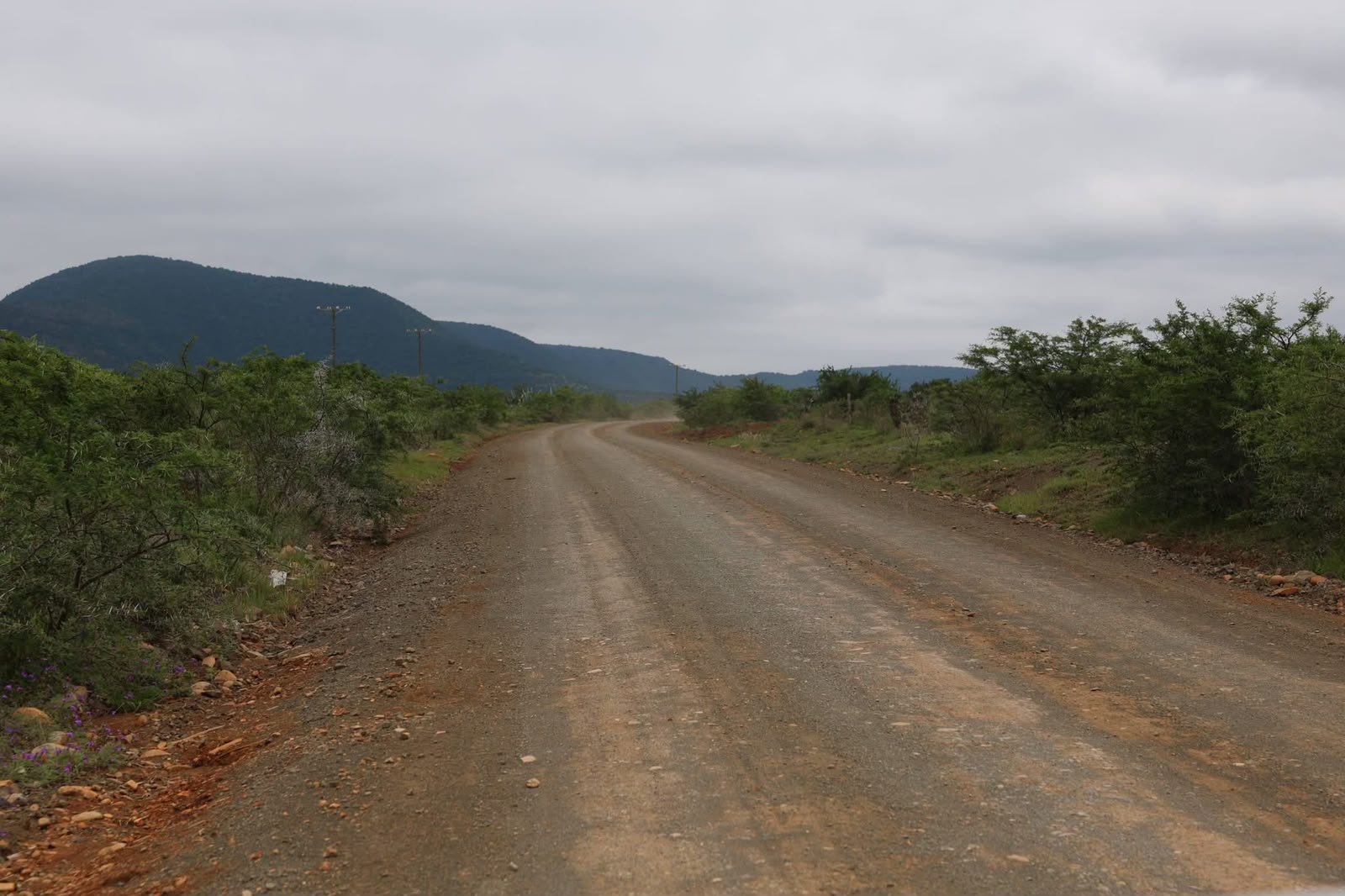
According to the DA, the N10 national road linking Nxuba and Middelburg has become one of the most dangerous stretches in the province, with an increasing number of fatal crashes involving heavy freight vehicles.
“The persistent disregard for road rules by truck drivers has created a state of lawlessness on the road,” Mogatosi said.
He then added, “Despite repeated warnings and calls for action, the Eastern Cape government has failed to act.”
Furthermore, high-risk routes highlighted by the DA include the N10, N2 and R61 where speeding, drunk driving and reckless behaviour continue to claim lives.
DA’s Road Safety DemandsIn a move to compel government accountability, Mogatosi announced that he would be writing to MEC for Transport Xolile Nqatha, demanding the implementation of immediate and concrete safety measures, including:24/7 Traffic Law Enforcement, Increased deployment of officers and constant monitoring of high-risk areas, Average Speed Over Distance Cameras; Proven in the Western Cape to curb speeding, especially on major routes like the N2.
Targeted Roadblocks and Sobriety Checks; With stricter penalties for negligent and intoxicated drivers.
“These are not optional interventions. They are urgent, life-saving measures that must be prioritised,” he said.
Photograph: supplied