

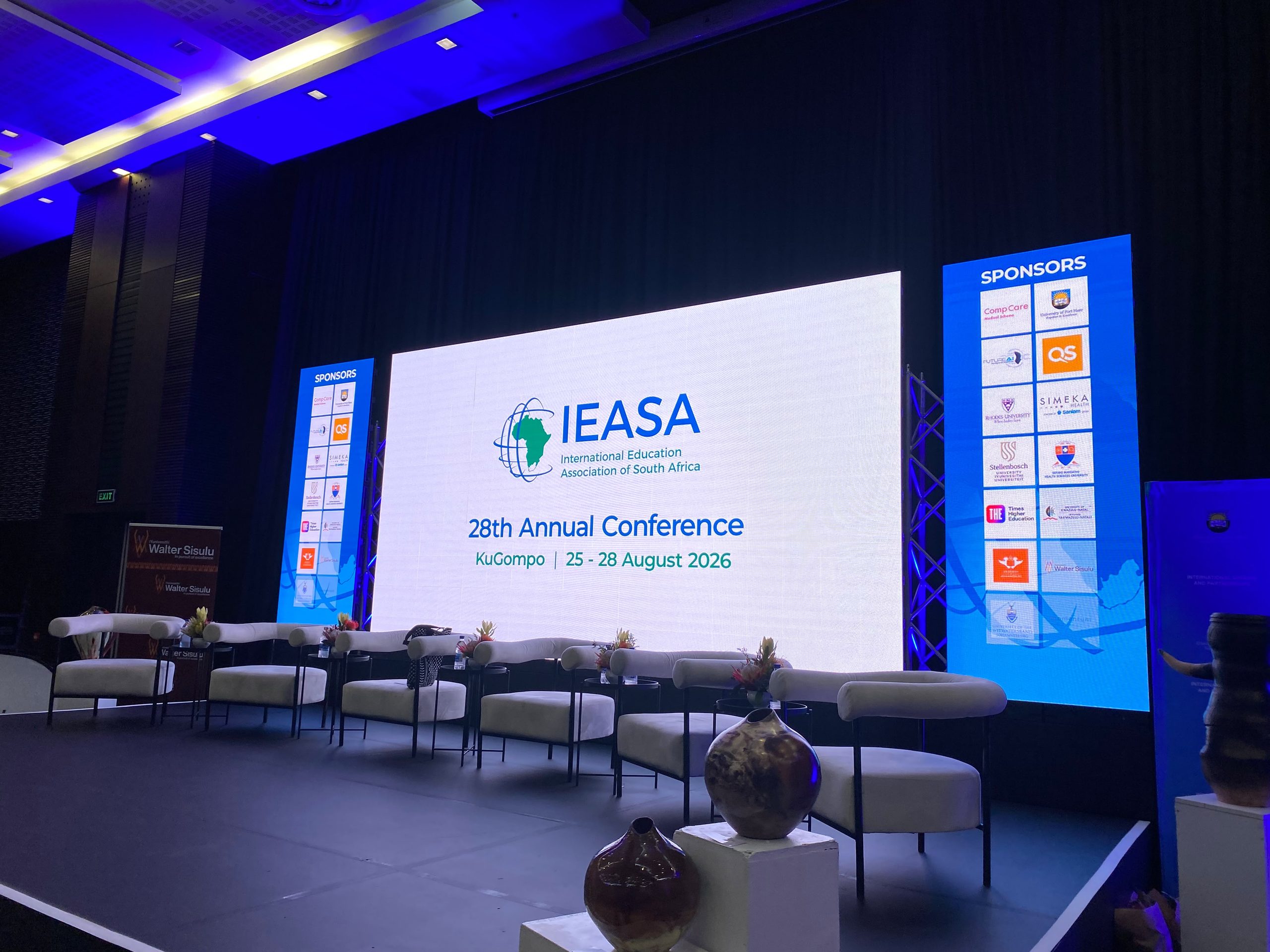
KUGOMPO CITY- Africa must stop being a passenger in global higher education and become a driver of knowledge, partnerships and innovation, the International Education Association of South Africa (IEASA) conference has heard.
The call came as the 28th IEASA conference got under way at the East London International Convention Centre in KuGompo City, where the 23rd edition of the Study South Africa Guide 2026 was launched.
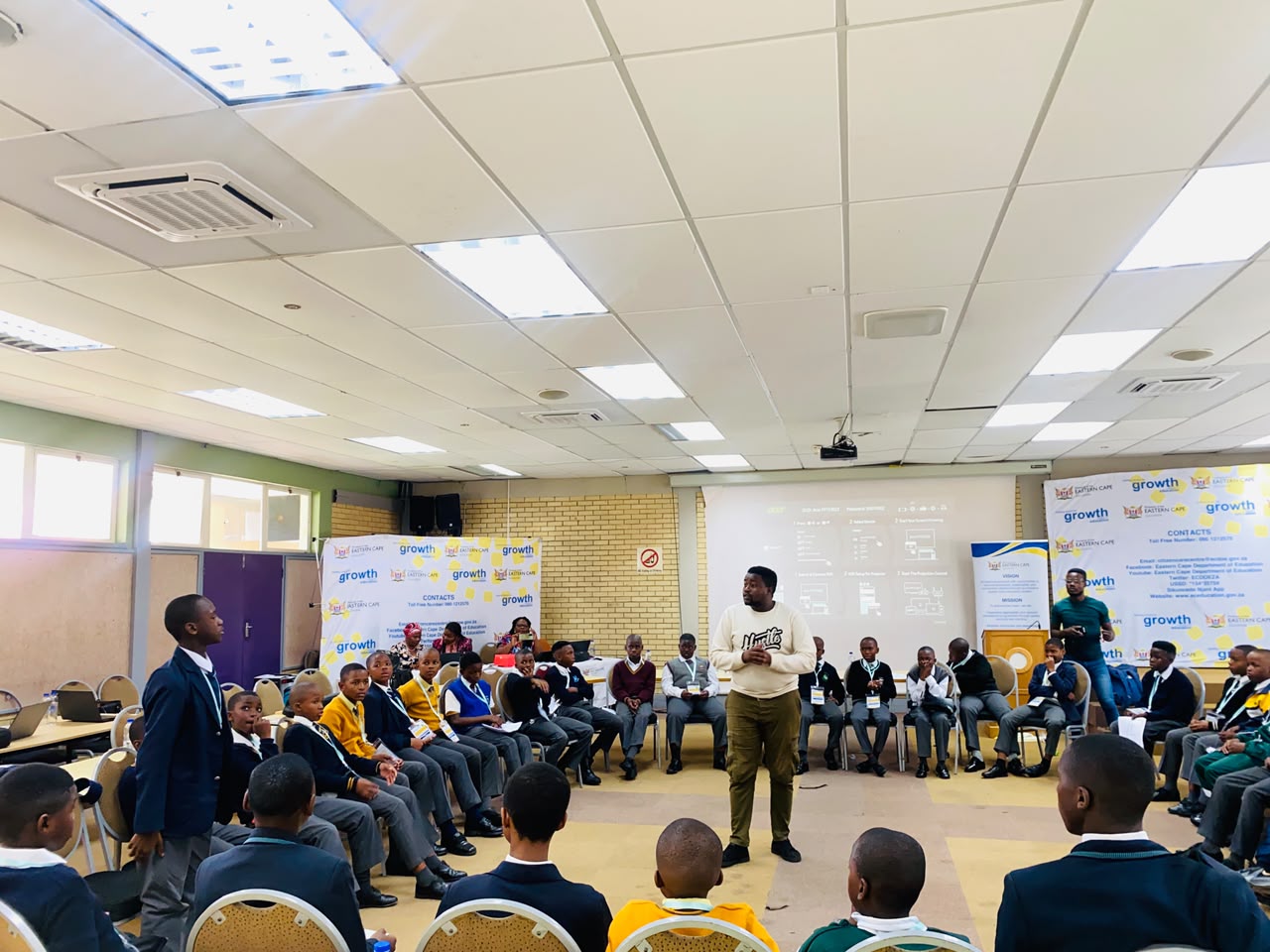
The conference, which ran from 26 to 28 August, was convened by IEASA in partnership with the University of Fort Hare (UFH) under the theme ‘Advancing Internationalisation Together: One Community, Many Voices.’It brought together representatives from South African universities, government, development partners and international university-ranking agencies to debate the future of higher education internationalisation on the continent.

The opening plenary, powered by UFH, delivered a blunt assessment of the sector; universities have become good at writing internationalisation policies but are struggling to put them into practice.
UFH Director of Planning and Quality Assurance Dr Nosisa Mayaba said internationalisation could not remain the responsibility of a single office within a university.
“If the international office closes tomorrow, will internationalisation survive? If not, it was never institutionalised, it was only delegated.”
Mayaba said the Department of Higher Education and Training’s Policy Framework for Internationalisation of Higher Education in South Africa, released in November 2020, had prompted universities to develop policies, but implementation remained uneven.
She added that, internationalisation should be incorporated into institutional strategic plans, have an executive owner, be reported to university councils and be measured through clear key performance indicators.
“It should also be integrated into quality assurance, curricula and universities’ central information technology systems,” she said.
Mayaba warned that important internationalisation data was still being kept in spreadsheets within international offices, leaving it largely invisible to university leadership and national reporting systems.She shared the platform with Rhodes University Director of Institutional Planning Dr Remy Nnadozie and iYunivesithi Walter Sisulu.

Director of Institutional Research and Planning Ntsundeni Mapatagane.
Furthermore, the session was chaired by UFH Director of International Affairs and Partnerships Lebethe Malefo.
The second plenary turned to the question of international partnerships, with University of the Witwatersrand Head of Internationalisation and Strategic Partnerships Dr Samia Chasi challenging what she described as an overly simplistic focus on the Global North-Global South divide.
Chasi argued that although inequalities between regions remained real, the binary could obscure equally important challenges within South Africa and the continent.
These included inequalities between institutions, language, transformation and the uneven distribution of resources and opportunities.
She called for the creation of what she described as a ‘third space’ where partners from the Global North and South could engage openly from the earliest stages of developing partnerships.
Such a space, she said, could help partners build trust, identify shared values and develop relationships that were decolonial, anti-hegemonic and mutually beneficial.
Chasi co-authored a chapter in the newly launched Study South Africa Guide with Savo Heleta.The session was chaired by international education consultant Gonzalo Bruce of Boise State University in the United States.The strongest challenge to universities came during the final plenary, powered by global university rankings organisation QS.
IEASA president and University of KwaZulu-Natal Executive Director of the Corporate Relations Division Dr Normah Zondo warned universities against measuring international success by the number of Memorandam of Understanding they had signed.
“Visibility means people know who you are. Reputation means people trust your expertise, value your contribution and want to work with you,” Zondo said.
She said meaningful internationalisation should produce tangible outcomes, including joint research publications, citations, research grants, doctoral collaborations, joint degree programmes and influence on public policy.

Universities should also monitor less obvious measures of international reputation, she added.Are leading international researchers seeking to work with South African academics? Are governments and industry looking for local expertise? Are South African universities being invited into influential international discussions and policy forums?
Zondo pointed to the work of UKZN’s KwaZulu-Natal Research Innovation and Sequencing Platform as an example of African research making a global impact.
In addition, the platform played a leading role in the identification of the Omicron variant during the Covid-19 pandemic, demonstrating, she said, that African scientists can produce knowledge with consequences far beyond the continent.
The discussions in KuGompo City therefore carried a message extending beyond the conference itself.
For African universities, internationalisation can no longer be reduced to policy documents, international offices or lists of signed agreements.The challenge is to turn partnerships into research, innovation, skills, funding and policy influence while ensuring African institutions help shape the global higher education agenda rather than simply responding to it.
From the Eastern Cape, the message from IEASA was unequivocal; Africa must not merely participate in global higher education. It must help lead it.
Courtesy of IMAGE: Siphosethu Rexe








Leave a Reply