


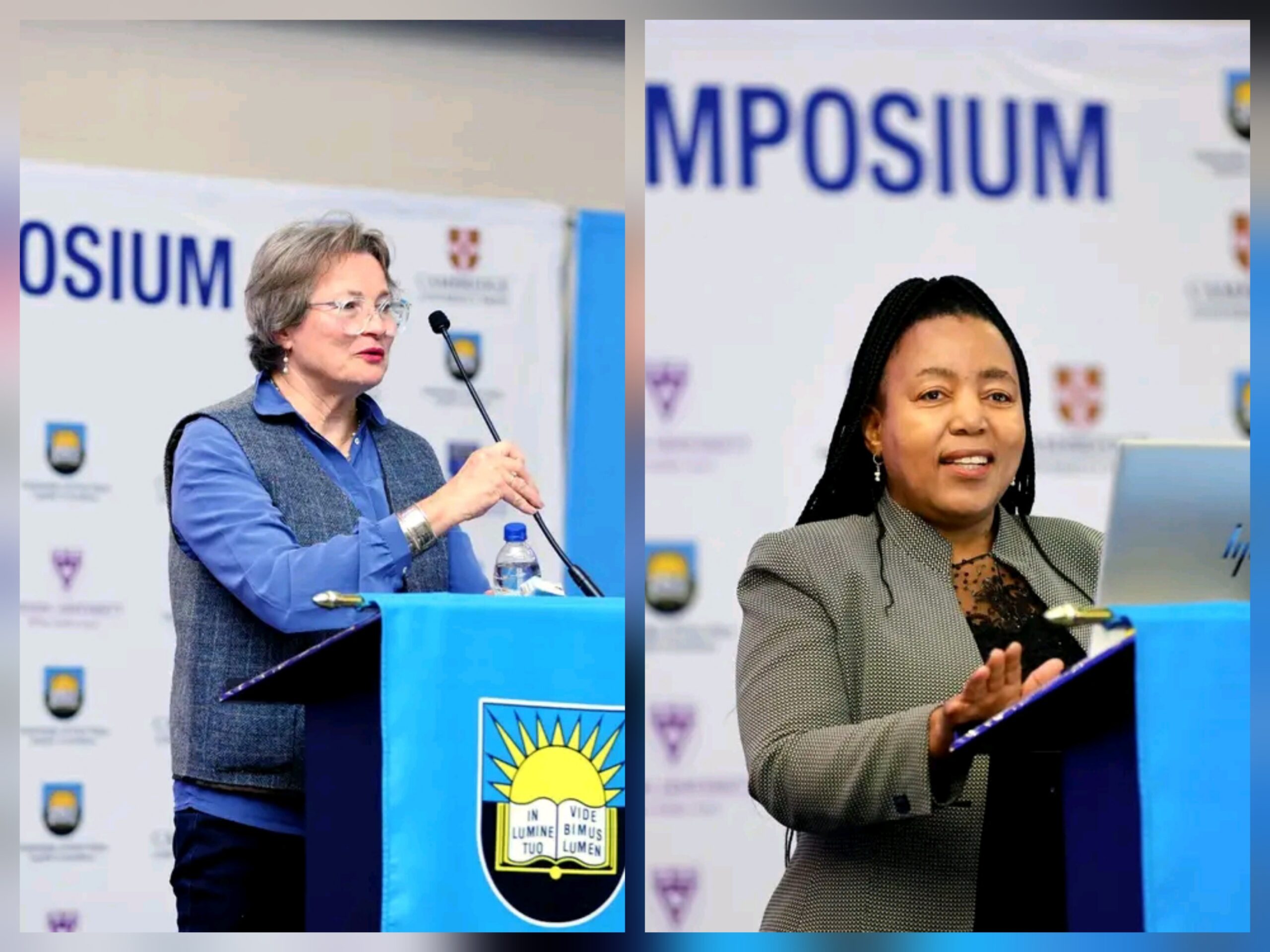
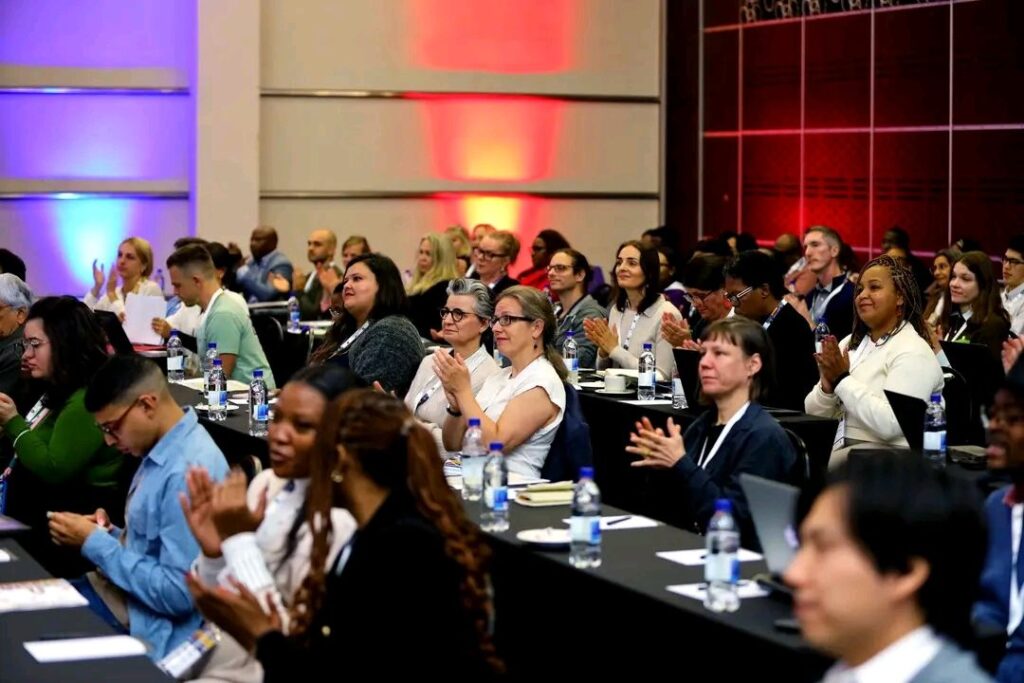
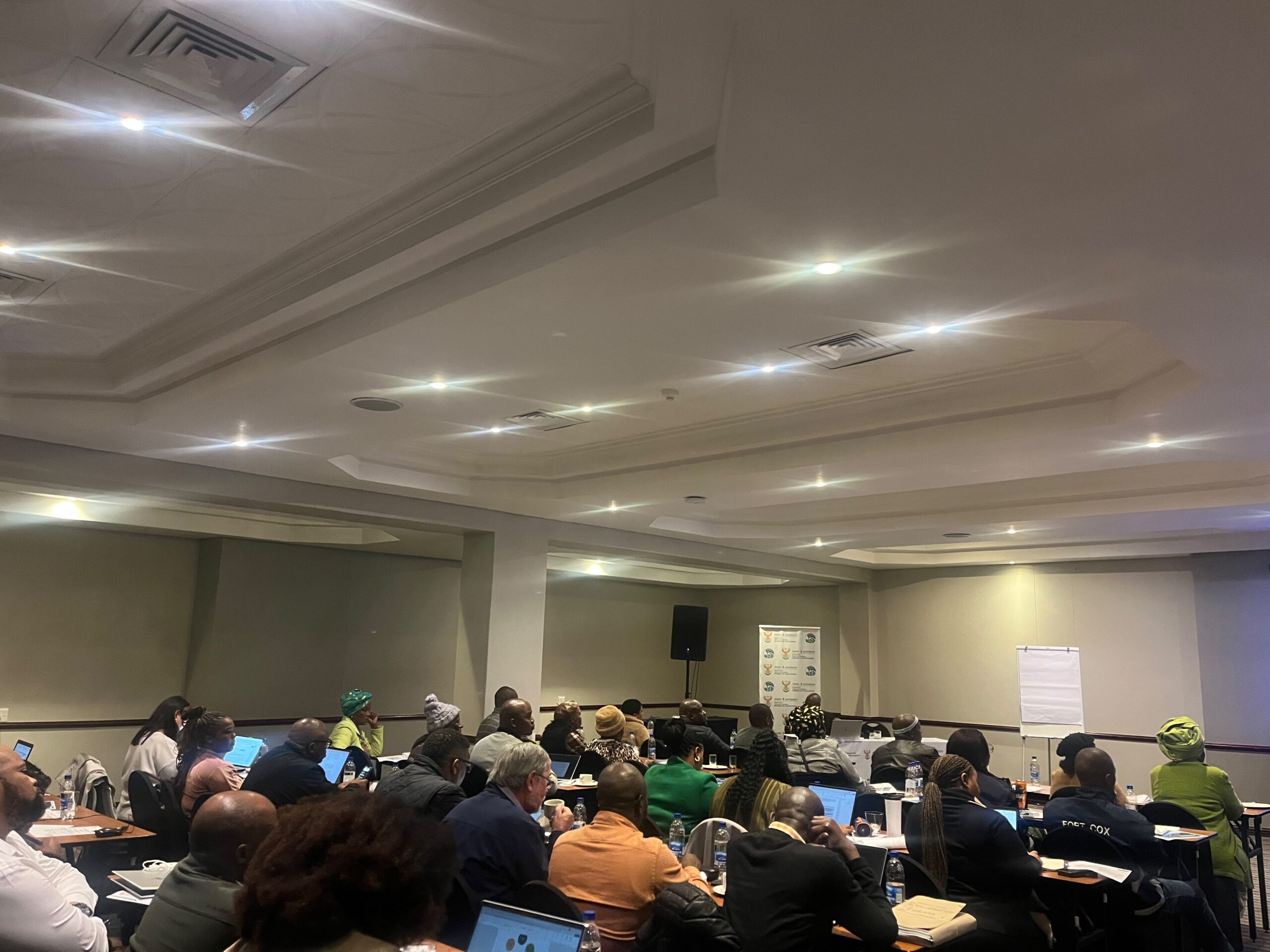
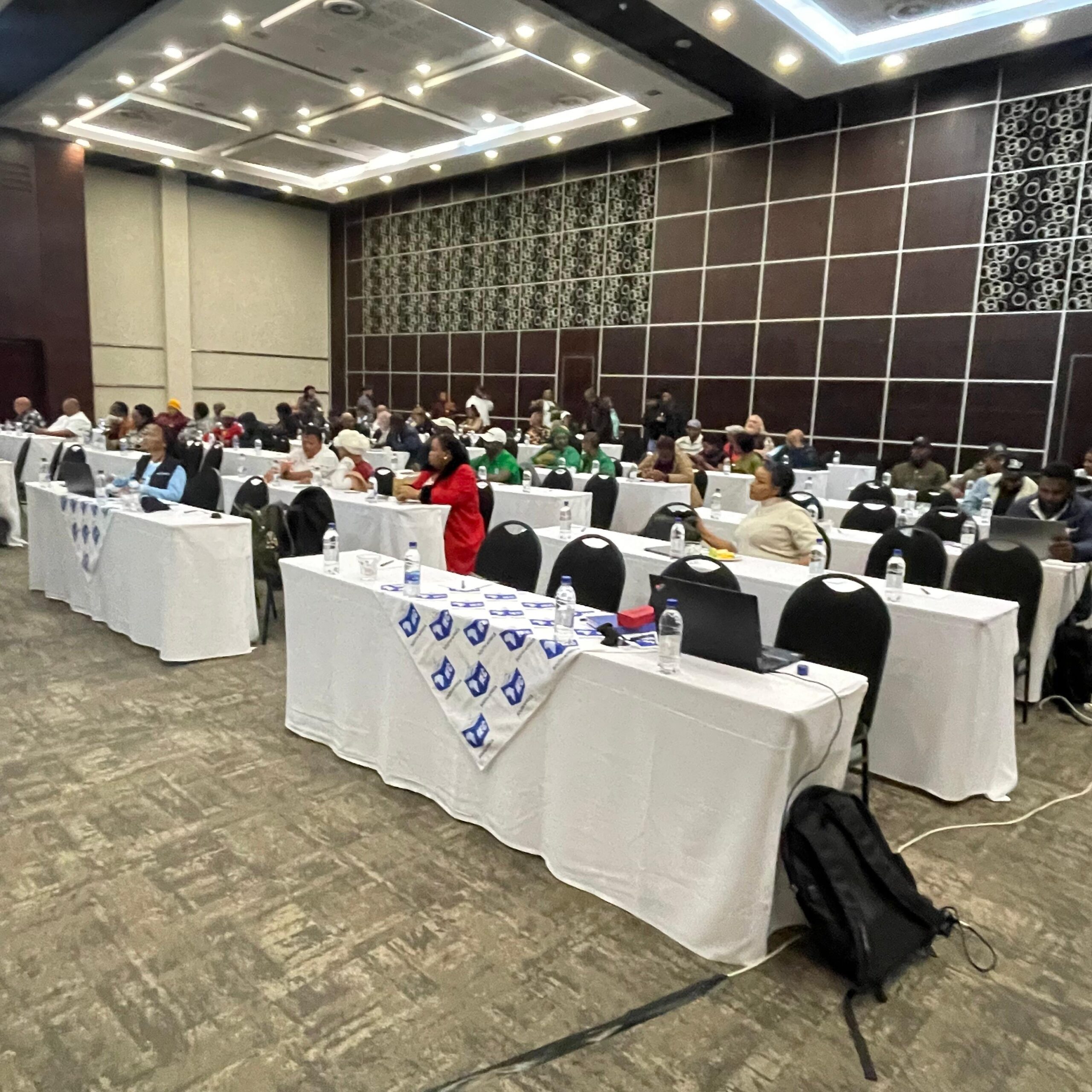
The University of Fort Hare (UFH) on Monday welcomed delegates from across the globe as it officially opened the 26th International Symposium on Sociolinguistics (SS26), marking the first time the prestigious academic gathering has been hosted on African soil.
Hosted by UFH’s Department of Languages and Communication under the theme Consonance and Dissonance in the Pluriversal World, the symposium has brought together scholars, students and language activists from more than 36 countries to discuss the future of languages in an increasingly multilingual and technology-driven world.
The four-day symposium, which runs from 13th to 16th July, places African languages, decolonisation and artificial intelligence (AI) at the centre of international academic discussions.
Opening the symposium, UFH Acting Vice-Chancellor Dr Nthabi Taole-Mjimba said hosting SS26 in Africa represented a significant milestone for both the university and the continent.

“We are not just talking about African languages this week. We are talking in them, from them, and for them,” she said.
Taole-Mjimba said the university hoped the symposium would establish lasting international partnerships and strengthen collaborative research beyond the event.
“We expect ongoing partnerships, strengthened research and greater internationalisation among representatives from the different countries gathered here. We believe stronger research will emerge from the knowledge shared during this symposium,” she said.
She also warned that Africa could be left behind in the development of artificial intelligence if indigenous languages are excluded from emerging technologies.
“The question for us is, will AI preserve our languages, or erase them? If Africa is not in the room where AI is built, our languages will be left behind,” she said.
The symposium also highlighted the continuing debate around the decolonisation of language and knowledge systems.
Furthmore, Department of Languages and Communication academic chairperson Dr Sithembile Marawu said African scholars needed to engage more closely with international researchers while remaining committed to advancing indigenous languages.
“Much as we claim to be free, we are still embracing colonial languages,” Marawu said.
“It is very important for us, while conducting research on the African continent, to understand what researchers in other parts of the world are doing. We need to work together and develop a shared understanding of our research.”
Dr. Marawu said UFH was honoured to host delegates from around the world at an institution with a long history of shaping African intellectual thought.
Students attending the symposium said the discussions challenged long-held perceptions that English was the only language capable of driving scientific and technological advancement.
“For years we believed English was the language of success. Here we’re seeing that isiXhosa and all our languages have a place in science, in technology and in the future,” said one UFH student.
Closing the opening ceremony, Taole-Mjimba described the symposium as a defining moment for the continent.
“This is not just a symposium. This is Africa speaking back to the world,” she said.
The symposium will conclude on Thursday with a guided tour of UFH’s historic Dikeni campus, where delegates will visit the institution that educated generations of African leaders. Organisers say the visit will connect Fort Hare’s legacy of scholarship and liberation with ongoing discussions about language, identity and the future of knowledge.
As debates continue over artificial intelligence, decolonisation and multilingualism, organisers say SS26 has delivered a clear message: African languages and African voices must play a central role in shaping the future.
By: Siphosethu Rexe
Photographs: UFH/Supplied




Leave a Reply