

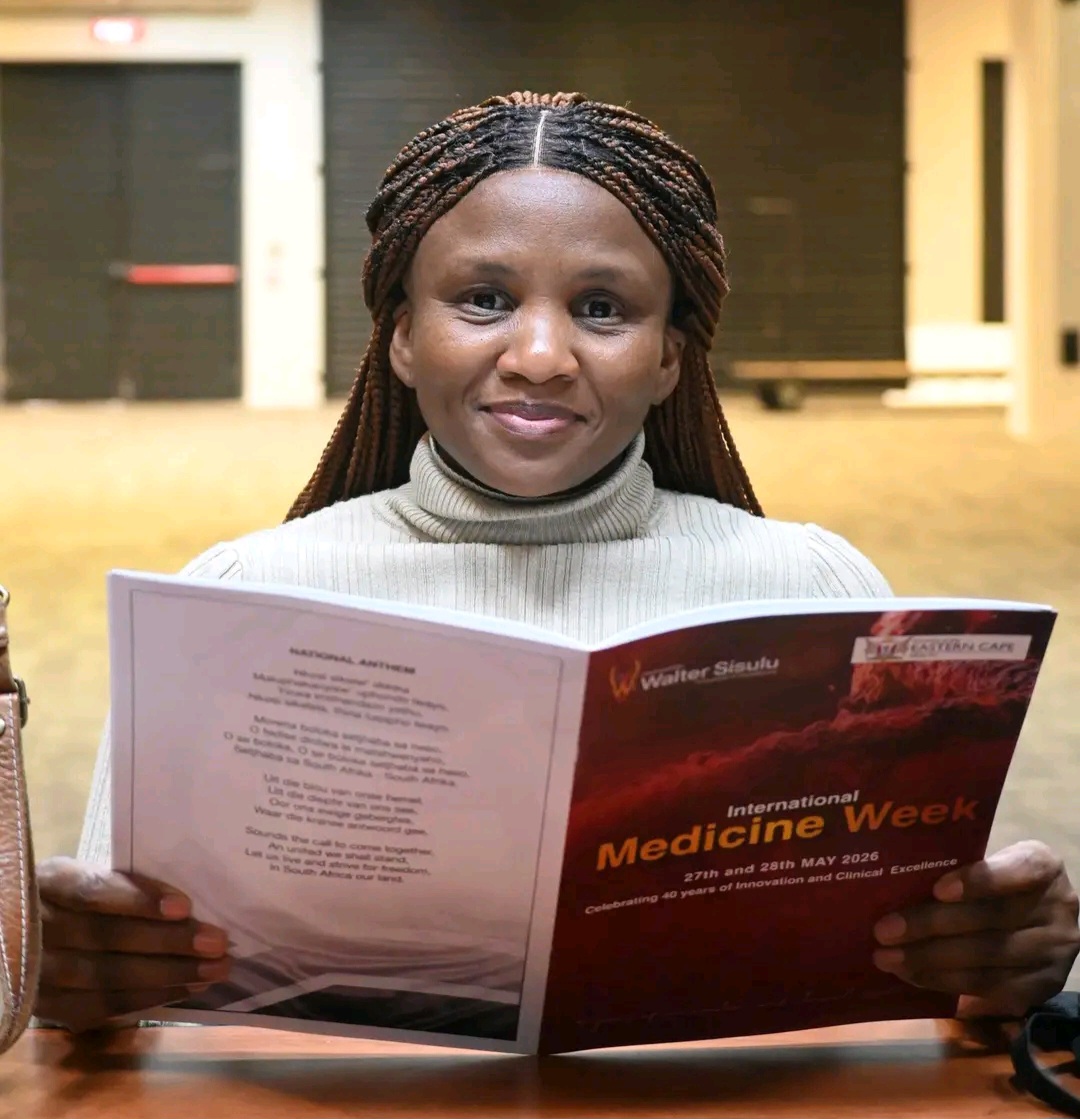
KUGOMPO CITY- The Faculty of Medicine and Health Sciences at iYunivesithi Walter Sisulu(WS) marked a major milestone previous week, celebrating 40 years of training doctors during International Medicine Week held at the East London International Convention Centre in KuGompo City.
The event, held on 28th May under the theme; ‘Four Decades of Advancing Clinical Practice’, was jointly hosted by the WS and Eastern Cape Department of Health.
Established in 1985 to address the shortage of doctors in underserved rural communities, the faculty has graduated more than 2,500 medical doctors over the past four decades.

Through its Academic Health Platform, the faculty has built strong partnerships with the provincial health department, hospitals, local communities, government departments and universities across Africa.
The week-long programme reflected on the faculty’s contribution to healthcare, highlighting advances in patient care, impactful research and the institution’s role in developing future clinicians, scientists and healthcare leaders.
A key focus of the celebration was the growing role of technology in medical education, with experts advocating for the increased use of artificial intelligence (AI) and virtual reality (VR) in training future healthcare professionals.
Among the speakers were Colleges of Medicine of South Africa president Professor Zacharia Koto, WSU Faculty of Medicine and Health Sciences Executive Dean Professor Wezile Chitha and PathCare haematopathologist Dr Zipho Mafika.
Professor Koto said traditional medical training had long relied on one-on-one mentorship but the approach faced growing challenges due to limited resources and a declining number of experienced mentors.
“Without a database of tasks or a way to benchmark trainees, the process remained inconsistent,” he said.
Professor Chitha said the shortage of mentors and resources often made training difficult to standardise.
“There was no database to measure trainees against benchmarks,” he said.
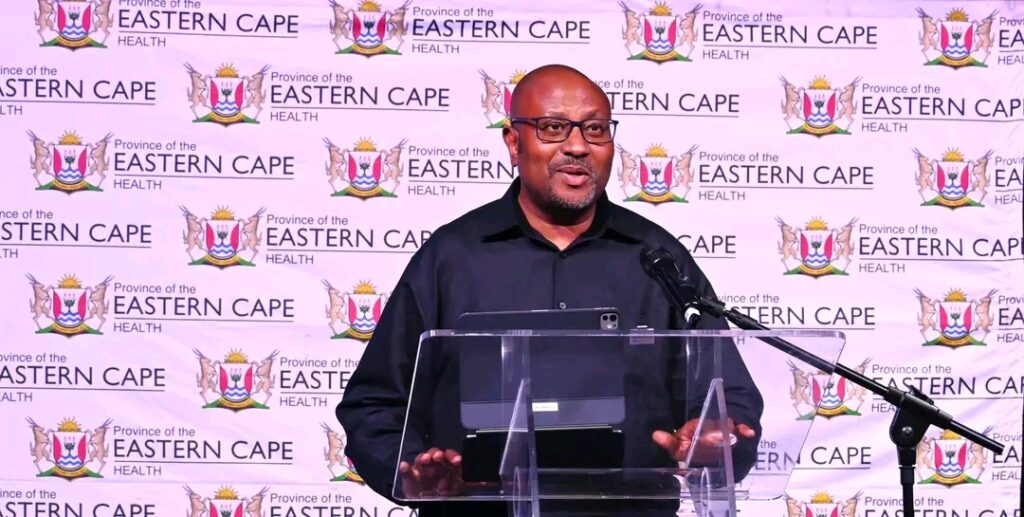
He explained that AI and VR technologies could help bridge this gap by creating standardised learning modules that make training measurable, comparable and testable.
According to Chitha, evidence showed that students trained through virtual reality and artificial intelligence platforms could achieve the same competencies as traditionally trained students, often in less time and with improved retention of knowledge.
In addition Professor Koto added that VR-based learning platforms automatically collected data, enabling educators to track learning progress, compare performance and assess the time required to master specific clinical skills.
Furthmore, Dr Mafika said digitisation offered a scalable solution to medical training challenges across South Africa.”One mentor’s content can be shared with students across the country without requiring a mentor at every site,” she said.
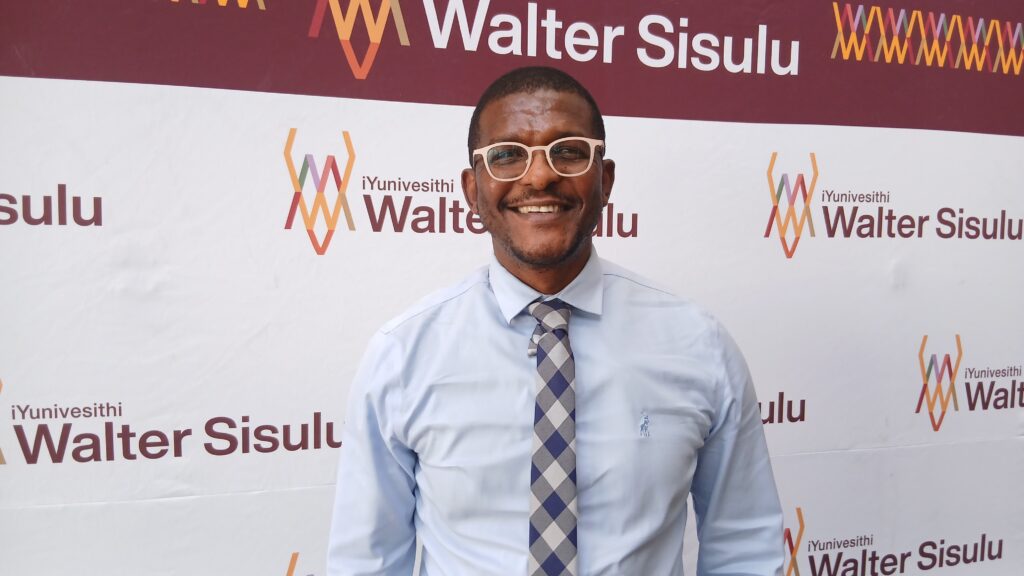
He said the combination of standardised learning, data-driven assessment and scalable technology represented the future of medical education and would help produce healthcare professionals capable of delivering consistent quality care regardless of location.
The programme featured plenary lectures, live clinical demonstrations, interdisciplinary panel discussions and case-based masterclasses, giving delegates an opportunity to engage with the latest developments in medical education and clinical practice.
As the faculty celebrates four decades of service, university leaders say innovation, research and community-centred healthcare will remain at the heart of its mission to improve health outcomes in South Africa and across the African continent.
Photographs: WS/Supplied












Leave a Reply