

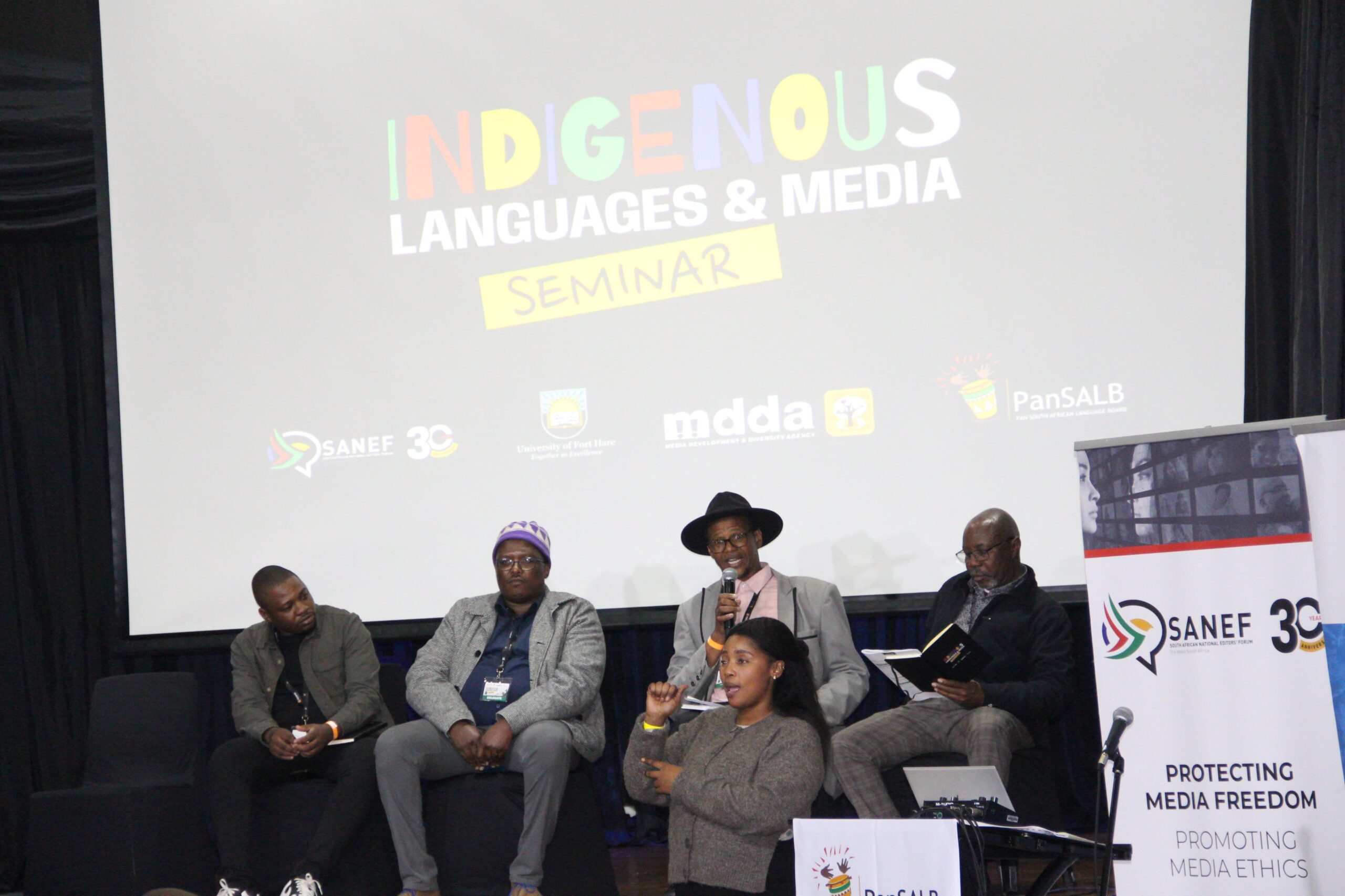
KUGOMPO CITY- South Africa’s indigenous languages must move from the margins of public life into the centre of journalism, politics and technology, speakers at an Indigenous Languages and Media Seminar at the University of Fort Hare (UFH) said.
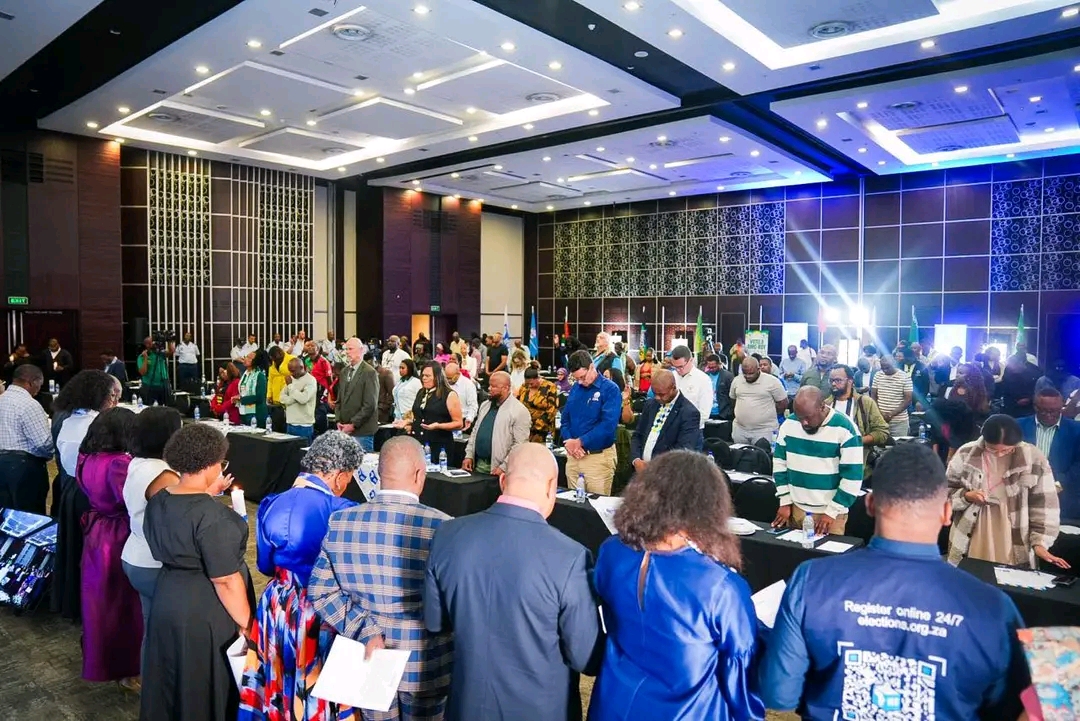
The seminar, held at the Miriam Makeba Hall in KuGompo City on 13th August brought together the South African National Editors’ Forum (SANEF), the Pan South African Language Board (PanSALB), the Media Development and Diversity Agency (MDDA) and UFH to examine the future of indigenous-language media.
The gathering came amid growing concern that African languages are often celebrated during Heritage Month but remain marginal in serious journalism, public debate and digital spaces.The organisers said the media had an important role to play in preserving languages, strengthening cultural identity and contributing to social healing.

PanSALB Chief Executive Officer(CEO) Dr Keaobaka Seshoka challenged media organisations and institutions of higher learning to move beyond simply using indigenous languages occasionally and instead give them authority.
“Do not merely give indigenous languages airtime, give them authority.”Seshoka said technology also needed to adapt to African languages, including their pronunciation and linguistic nuances.

“We need to work together to ensure that technology speaks our languages,” she said. She further challenged the media to use indigenous languages when covering issues of national importance, including government budget speeches, elections and corruption.
“We must have budget speeches in our languages. We must analyse elections using our African languages and fight corruption using our languages,” Seshoka said.
Her message was that indigenous languages should not be confined to entertainment or cultural programming but should become part of the everyday business of journalism and public accountability.
The seminar also looked back at the history of indigenous-language journalism, with particular attention to the pioneering Eastern Cape newspaper Izimvo Zabantsundu.
Former Izimvo Zabantsundu journalist Mamnkeli Ngam said the publication demonstrated the power of IsiXhosa journalism to inform and mobilise communities.
Ngam said the newspaper played an important role during the 1994 elections by explaining voting procedures to first-time black voters in a language they understood.

“This award is not an individual award but for all the team that we worked with at Izimvo Zabantsundu,” Ngam said.
He said the newspaper covered customs, emerging businesses and community issues while helping readers develop a sense of identity and pride.
However, Ngam said the publication failed to survive the transition to democracy.He called for the return of Izimvo Zabantsundu, arguing that there was still room in the market for media organisations that communicate directly with communities in their own languages.
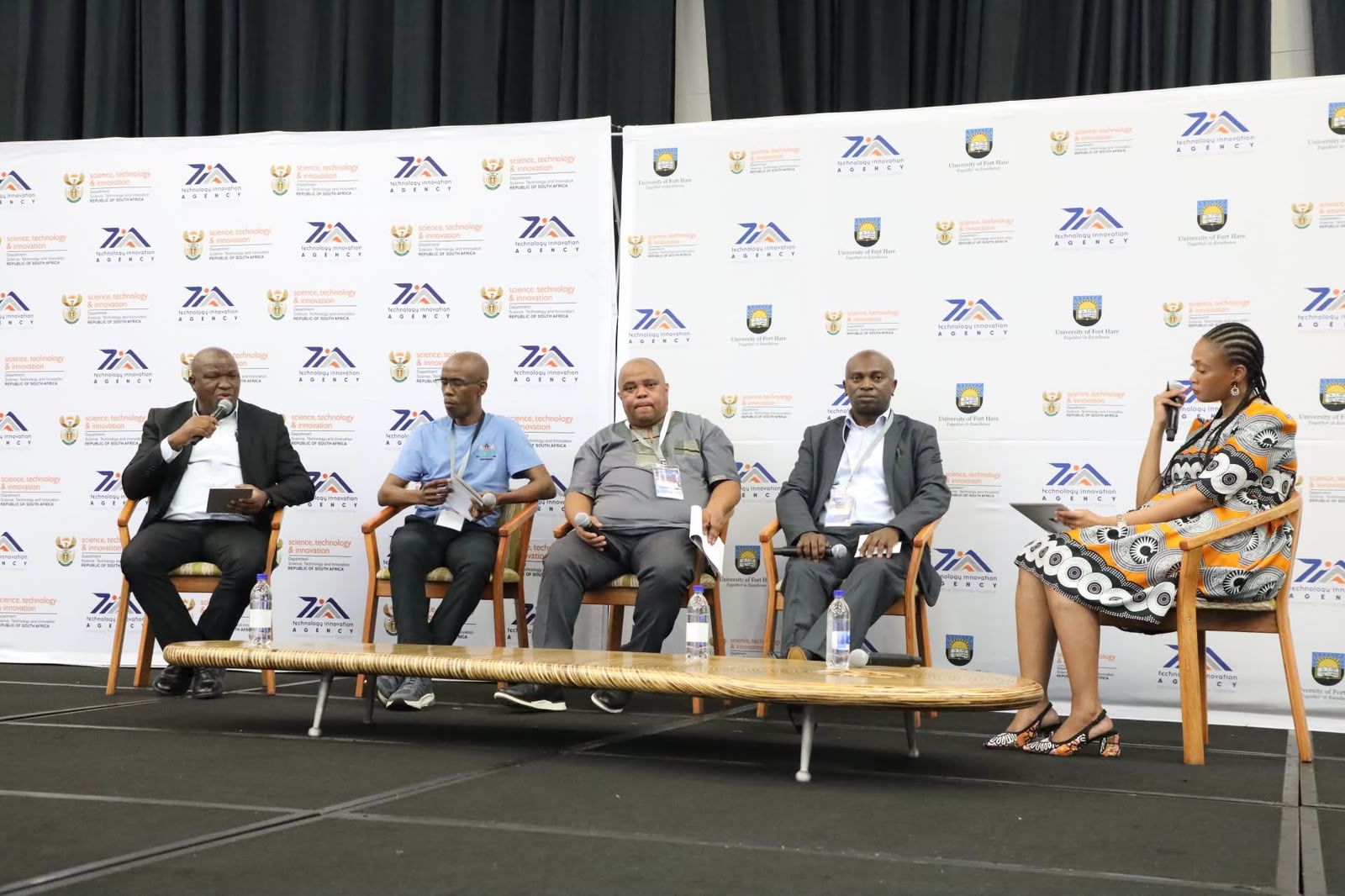
The question of whether the media is a friend or foe of indigenous languages formed the focus of the second panel discussion, chaired by UFH senior lecturer Dr Kevin Onyenankeya.
The panel included Nkosi Buyanda Matanzima, deputy chairperson of the House of Traditional Leaders; Thembi Mjiba, founder and editor of Dikelethu News and Slindile Khanyile, deputy chairperson of SANEF.Furthmore, Panelists highlighted the importance of traditional leadership and community media in ensuring that indigenous languages are passed from one generation to the next.
The discussion also placed emphasis on the responsibility of journalists and community publications to produce credible information in languages that audiences understand.
For young people, the message was equally direct; indigenous languages need new generations of researchers, journalists and content creators.
In addition Rhodes University joint honours student Babalo Bhakana, who specialises in IsiXhosa and Drama in African Language Studies, said young people should take an active role in strengthening the language.
“Some might think IsiXhosa is looked down on, but in the Eastern Cape there are organisations that are pushing it,” Bhakana said.
“So I say youth must put themselves out there, do research and get into the field with the aim of helping your province to grow the use of our language.”
The seminar ended with SANEF summarising key outcomes and adopting recommendations aimed at strengthening community and indigenous media across South Africa.
For the Eastern Cape, where IsiXhosa remains central to the region’s identity, the debate is about more than preserving a language. It is about ensuring that communities can participate fully in journalism, democracy and public life in a language they understand.
Siphosethu Rexe
18 August 2026








Leave a Reply