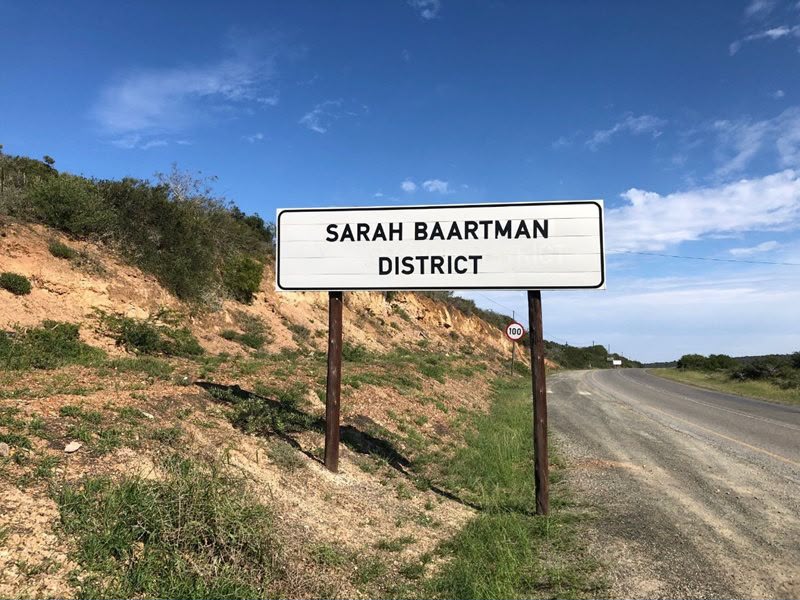
WILLOWVALE– What began as a heartfelt gesture to honour his mother’s dream of owning cattle has grown into a thriving rural farming enterprise transforming lives in the coastal village of Nqabara, on top of Indian ocean near Dwesa Nature Reserve.
Born in Mthokwane Village, Nqabara Administrative Area in Willowvale, Sindisa Dunga studied accounting at Walter Sisulu University(WSU) before completing his Honours degree at University of KwaZulu-Natal (UKZN).
A qualified Chartered Accountant(CA) with over 20 years’ experience in the corporate insurance industry and chairperson of the Nqabarha Cooperative Farm, Dunga made a life-changing decision in 2024 to take an unconventional career break and return home, not for rest but to pursue a calling deeply rooted in rural development and farming.

In an exclusive interview with Eastern Cape Daily News Dunga emphasized that, “I have always been passionate about development finance and working with rural entrepreneurs. Taking a break from Corporate, though a very tough decision has enabled me to focus on working with rural entrepreneurs to prepare their business to access capital, which is already available in the market but requires compliance, which many of them struggle with. The farming venture began as a way to thank my mother, who always wanted to own her own cattle. Over time, it evolved into something much bigger,” he said.
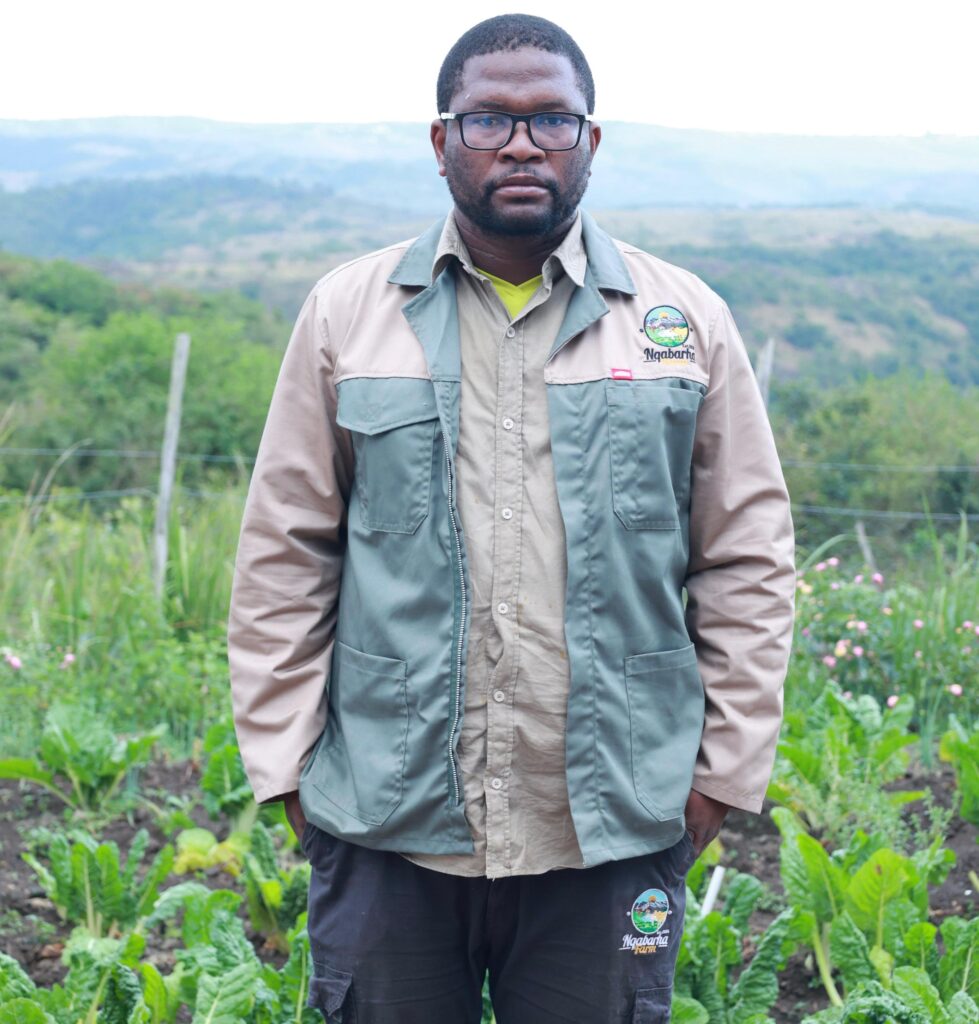
That passion led to the establishment of Nqabara Cooperative Farm, a primary cooperative specialising in cattle and goat farming. Formally established in 2024.
The cooperative’s roots however trace back to 2004, when Dunga and other local farmers decided to pool their resources and farm collectively to reduce costs and improve productivity.

“When we farmed individually, it was expensive. Pooling our efforts allowed us to buy quality bulls, operate efficiently and benefit from economies of scale,” Dunga.
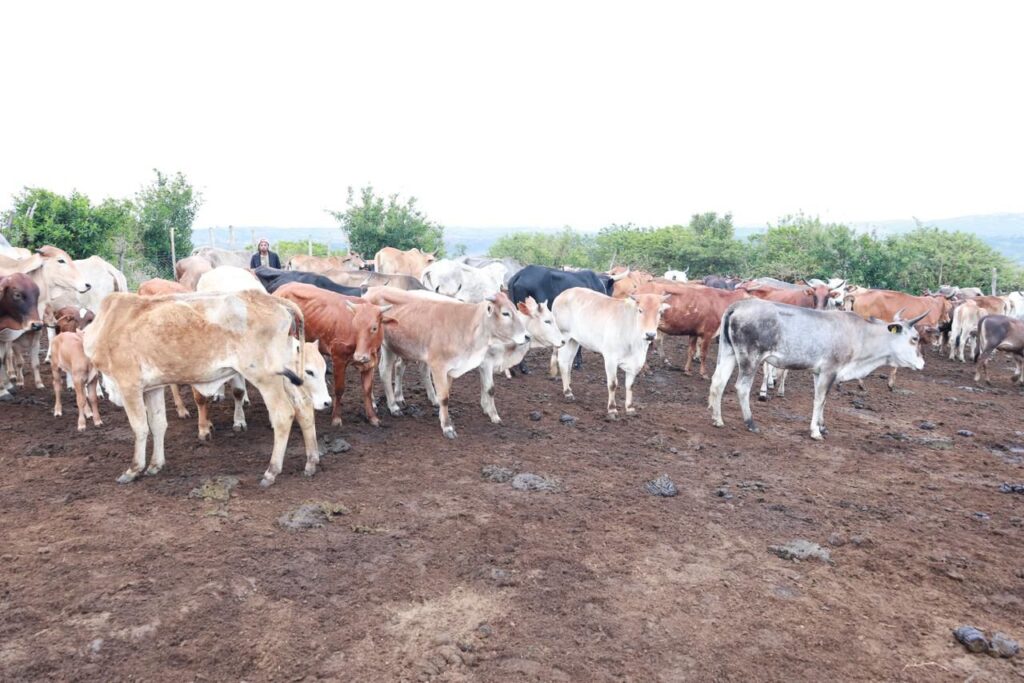
Today, Nqabara Cooperative boasts six members including two women and two young farmers under the age of 35, with operations based in Lubhelu Village just 18 kilometres to Dwesa Nnature Reserve.
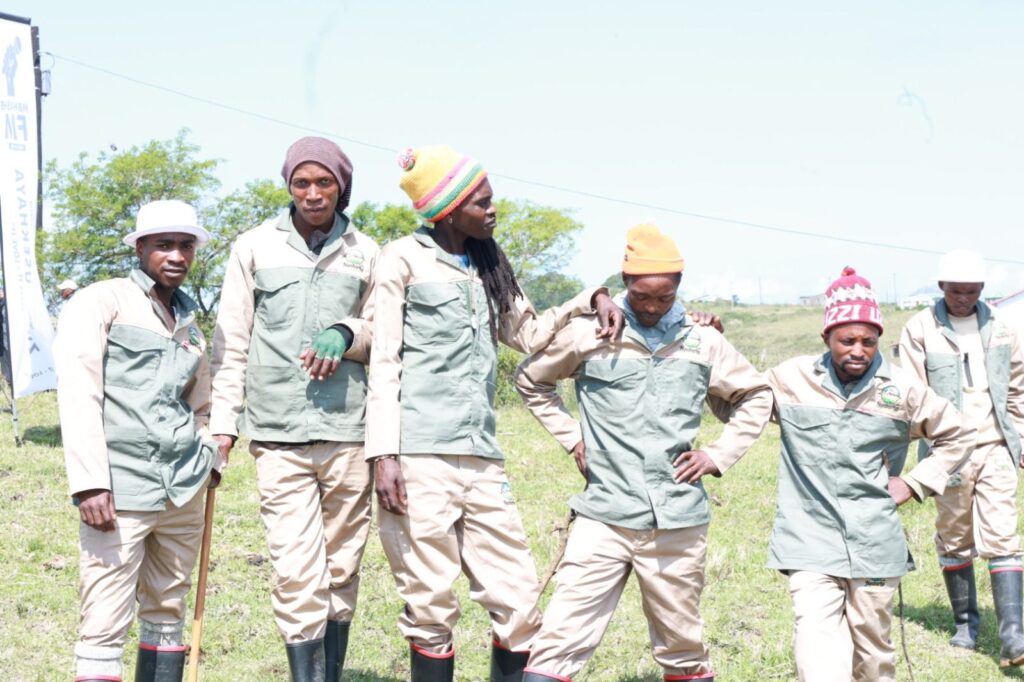
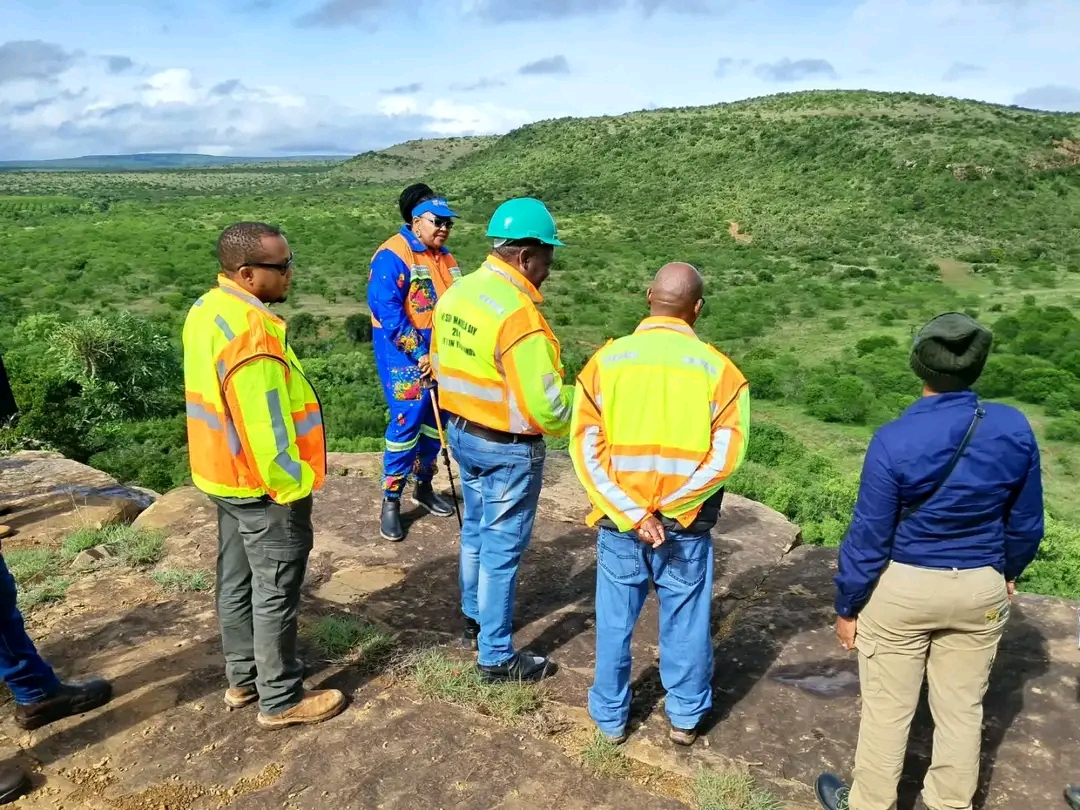
The area’s lush pastures and reliable water supply make it ideal for livestock farming, although tick management remains an ongoing challenge. Furthermore the co-op’s herd has grown from 20 cattle in 2004 to over 80 by 2024, reflecting steady growth and strategic reinvestment.
Beyond farming, the cooperative plays an active role in empowering its community, offering affordable facilities for emerging farmers, caring for their animals at minimal cost and providing free cattle dipping services once a month to promote livestock health.
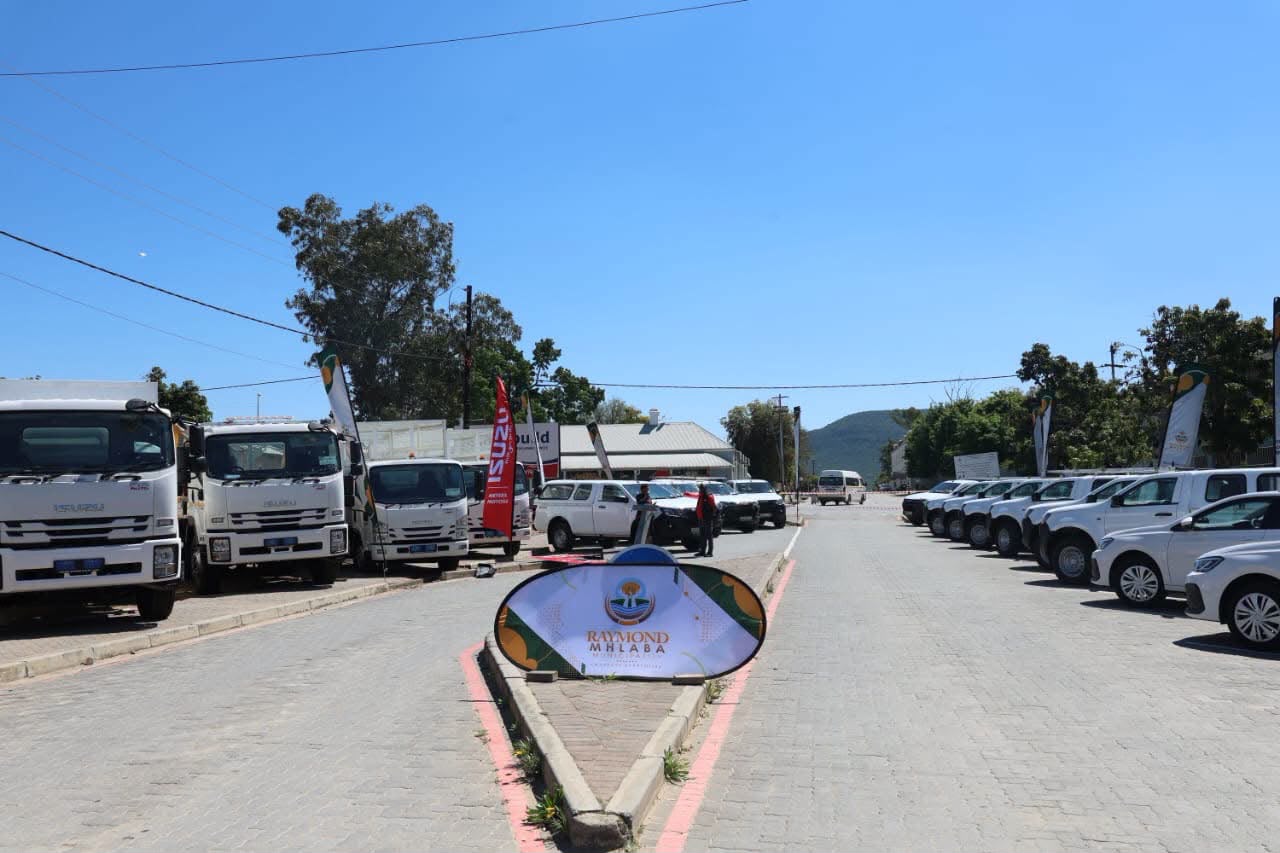
In addition Dunga said that, “The Imvaba funding that we have recently recieved earlier this year has accelerated our growth, allowing us to expand beyond local trading to supply abattoirs and feedlots.”
“It’s also stimulating economic activity in other sectors, including logistics and transportation,” he said.
Before receiving this support, the co-op faced the challenge of low trading volumes and inconsistent income, often relying on members’ personal funds to sustain operations. The funding has enabled the purchase of high-quality breeding stock with stronger genetics, setting the foundation for long-term productivity and financial sustainability.
The ripple effects are already being felt. The cooperative has created local employment, hired additional farmworkers and fenced its grazing land using community labour. Plans are also underway to launch a feed production project in 2026, with maize inputs sourced locally to support small-scale farmers and reduce operational costs.

Furthermore for Dunga, sustainability is morethan a profit, it’s about changing the rural mindset around farming. “We want to show that farming can be a viable, sustainable business, not just a status symbol,” he says.
His advice to other aspiring cooperatives is simple but powerful, “Start with what you have, build experience before applying for funding. Funders want to support active, responsible groups with a track record.”
He also stresses the importance of good credit discipline, transparent governance, record keeping and strong relationships with the local Department of Agriculture for access to free advice and technical support.
From the classrooms of Walter Sisulu University to the green pastures of Willowvale, Dunga’s journey is proof that vision, teamwork and accountability can turn even the most traditional form of farming into a modern model of rural economic success.
Photographs: supplied