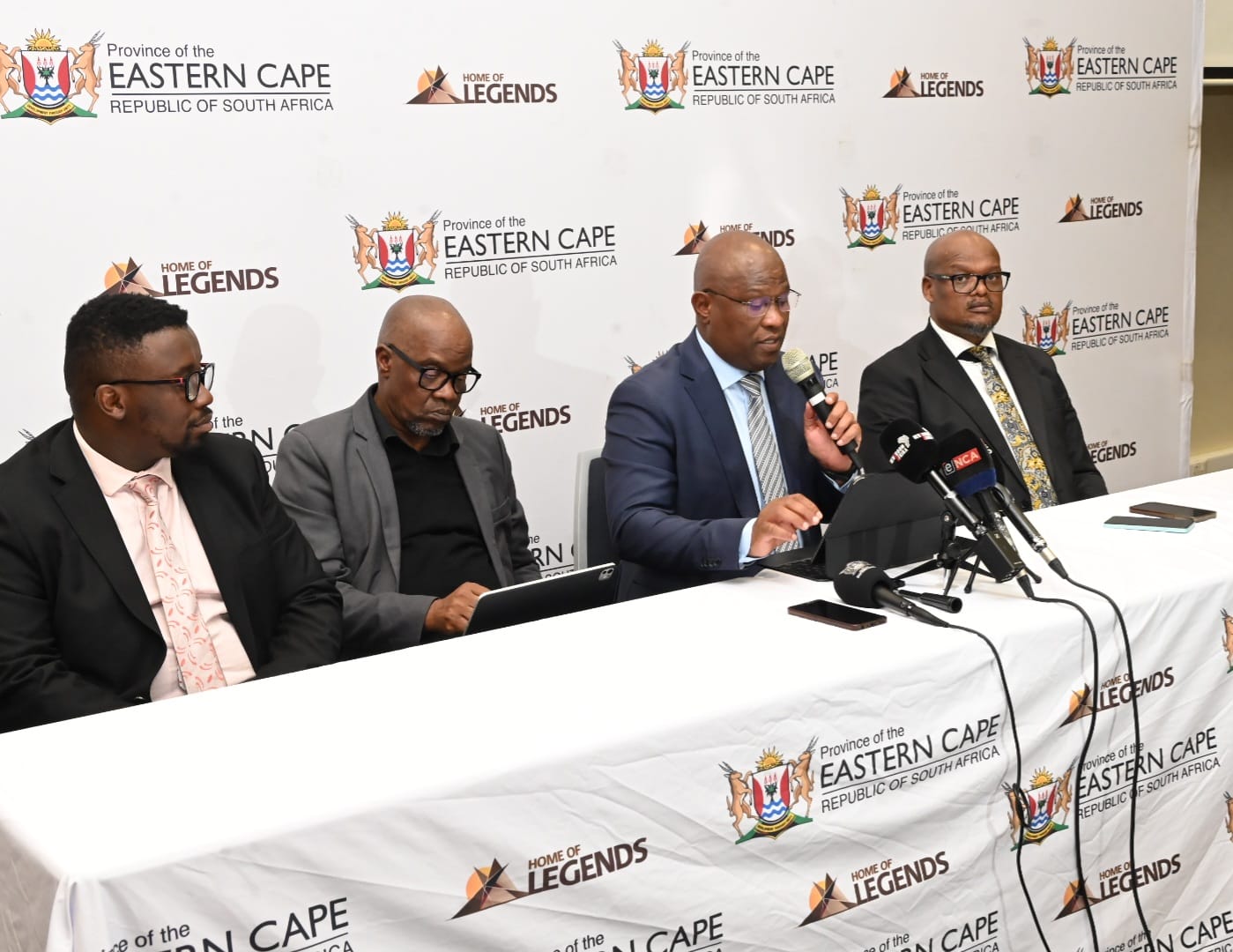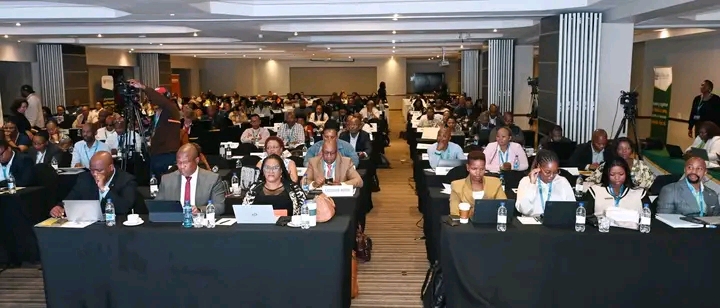
EAST LONDON- The Eastern Cape Provincial Government is taking bold steps to unlock the province’s blue economy potential, following the successful hosting of a high-level Oceans Economy Symposium at Premier Hotel Regent in East London on 28 October 2025.
Spearheaded by the Eastern Cape Socio-Economic Consultative Council (ECSECC) the event brought together government leaders, researchers, investors and industry experts to unpack a groundbreaking study that quantifies the vast. Yet underexploited, value of the province’s oceans economy.The study shows that the Eastern Cape’s oceans economy currently contributes 5.2% of the provincial GDP, roughly R27.9 billion, with even greater potential.

By 2033, the sector is projected to raise South Africa’s GDP from R129 billion to R177 billion and create around one million new jobs, highlighting its transformative role for both the province and the country.
Delivering the keynote address, Premier of the Eastern Cape Oscar Mabuyane said, “This is not a dream defect, but a dream delayed and the time for delay has ended.”
He emphasised that the province’s growth vision through a globally competitive oceans economy is both pragmatic and transformative, calling for stronger partnerships and coordinated implementation. The Premier added, “Our province, with its 800 kilometers coastline equivalent to 143 nautical miles, stands on the threshold of one of the greatest economic frontiers of our time. Across the world, coastal regions are becoming the epicentres of industrial growth, innovation and green energy transition. We cannot afford to lag behind.”
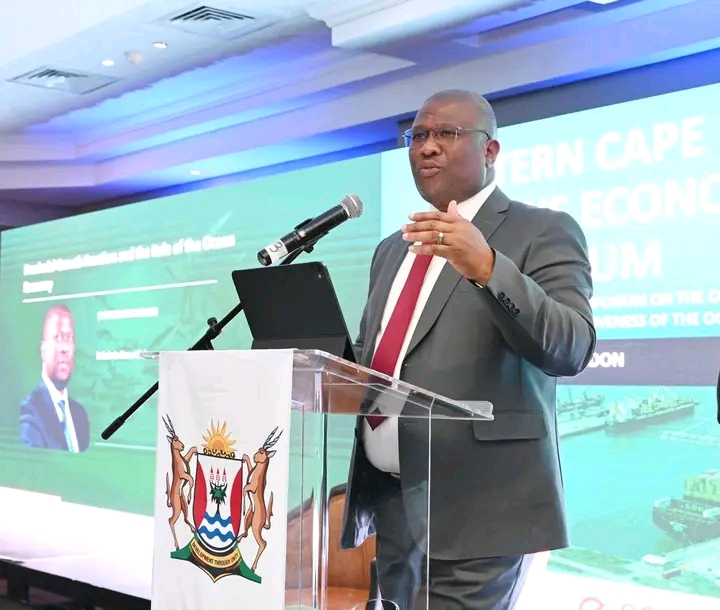
He acknowledged that past delays were due to coordination and skills gaps, but reassured that government is ramping up capacity and streamlining project management to seize opportunities.
Furthermore Professor Eita Hinaunye who did oceans economy study for ECSECC highlighted the study’s uniqueness, noting it identified 20 sectors, far more than previous studies which focused on six to ten. Using a satellite account, the study linked ocean economy activities to the broader economy, confirming the 5.2% GDP contribution.

He explained that, “Sectors like construction, marine and aquaculture have high multipliers investments here can stimulate growth, create jobs and reduce poverty. This is the first study of its kind in the Eastern Cape and it provides a tool for simulating economic impacts and guiding policymakers to focus on high-potential sectors.”
In addition Mayor of Mbhashe Local Municipality Cllr Samkelo Janda, praised the region’s natural assets stating, “We are proud of our natural beaches in Mbhashe. Although they are mostly visited during the festive season, we want people to enjoy them all year round through eco-tourism, sport tourism and hiking to showcase the beauty we have.”
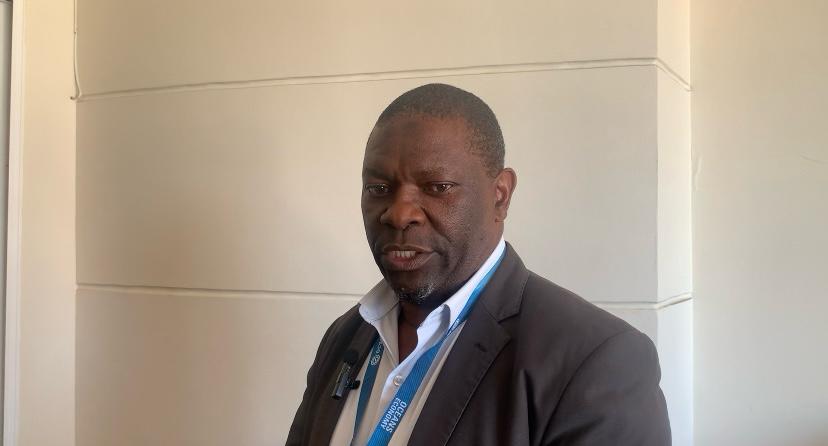
He added that, “We have signed a Memorandum of Understanding with the Eastern Cape Rural Development Agency (ECRDA) to start a marine tilapia fish farming project, which had some delays but is now progressing. On the topic discussed here about boats and the oceans economy, that is part of Mbhashe’s strategy because we have large rivers that flow into the ocean. I was very excited when all the speakers mentioned that we need to make use of the water in our rivers, dams and the ocean for transport, leisure and aquaculture, and we are already working on that together with the Eastern Cape Development Corporation (ECDC).”
In addition one of the attendees at the event, the owner of JJELPTY, Mandisi Vuyi Mandleni who farms Black Soldier Flies, which are high in protein and used mainly as animal and fish feed, especially for tilapia said that, “I attended the conference to explore fish farming opportunities and connect with companies that might buy our feed. Our project also promotes waste management, using leftover or spoiled food to breed flies and reduce waste.”
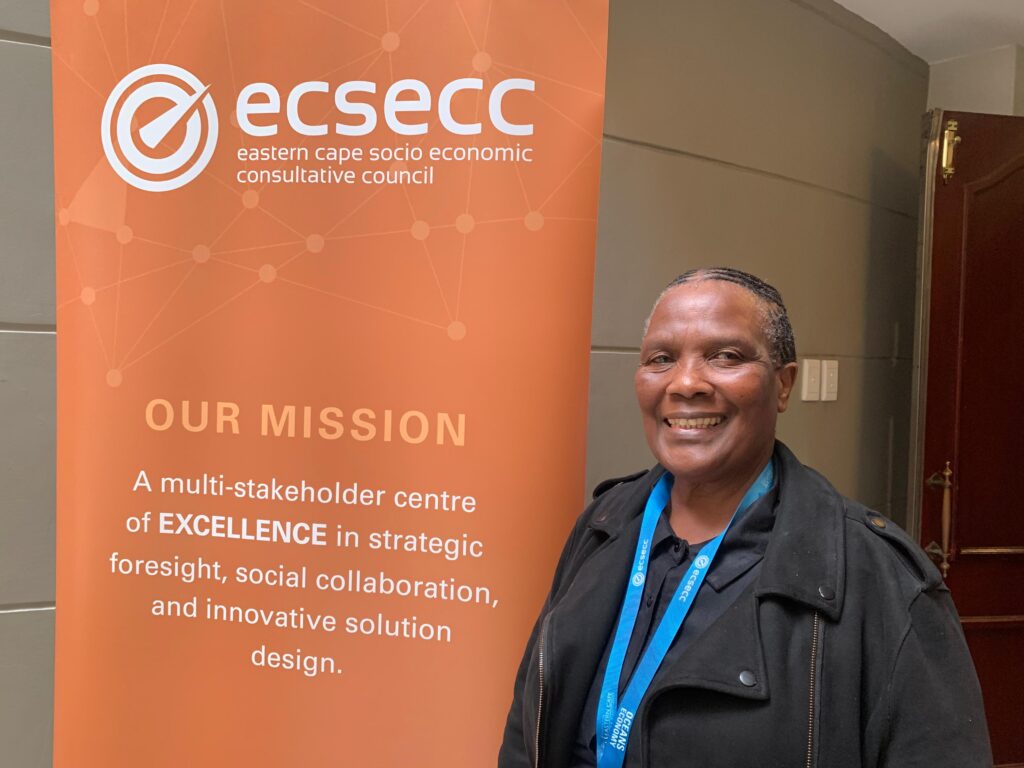
Mandleni called on government to support initiatives like hers that promote sustainability and local economic growth.
The way forward focuses on moving from studies to implementation, with discussions continuing through platforms such as the SAIMI Decarbonization Session, the Provincial Investment Working Group with ECDC, DT and other provincial forums.
There was a strong call for hands-on support to stakeholders and for the Oceans Economy to be championed politically, as demonstrated by the committed municipalities of Hamburg and Mzamba, selected for fishing harbour development.
The symposium marked a decisive step in realising the Eastern Cape’s multi-billion-rand oceans economy, highlighting collaboration, capacity building and political commitment as critical drivers for sustainable growth.
Photographs: supplied