

STUTTERHEIM- The adoption of a balanced R2.809 billion budget by the Amathole District
Municipality (ADM) marks a significant milestone for a municipality that has spent years battling
financial instability, governance failures and provincial intervention.
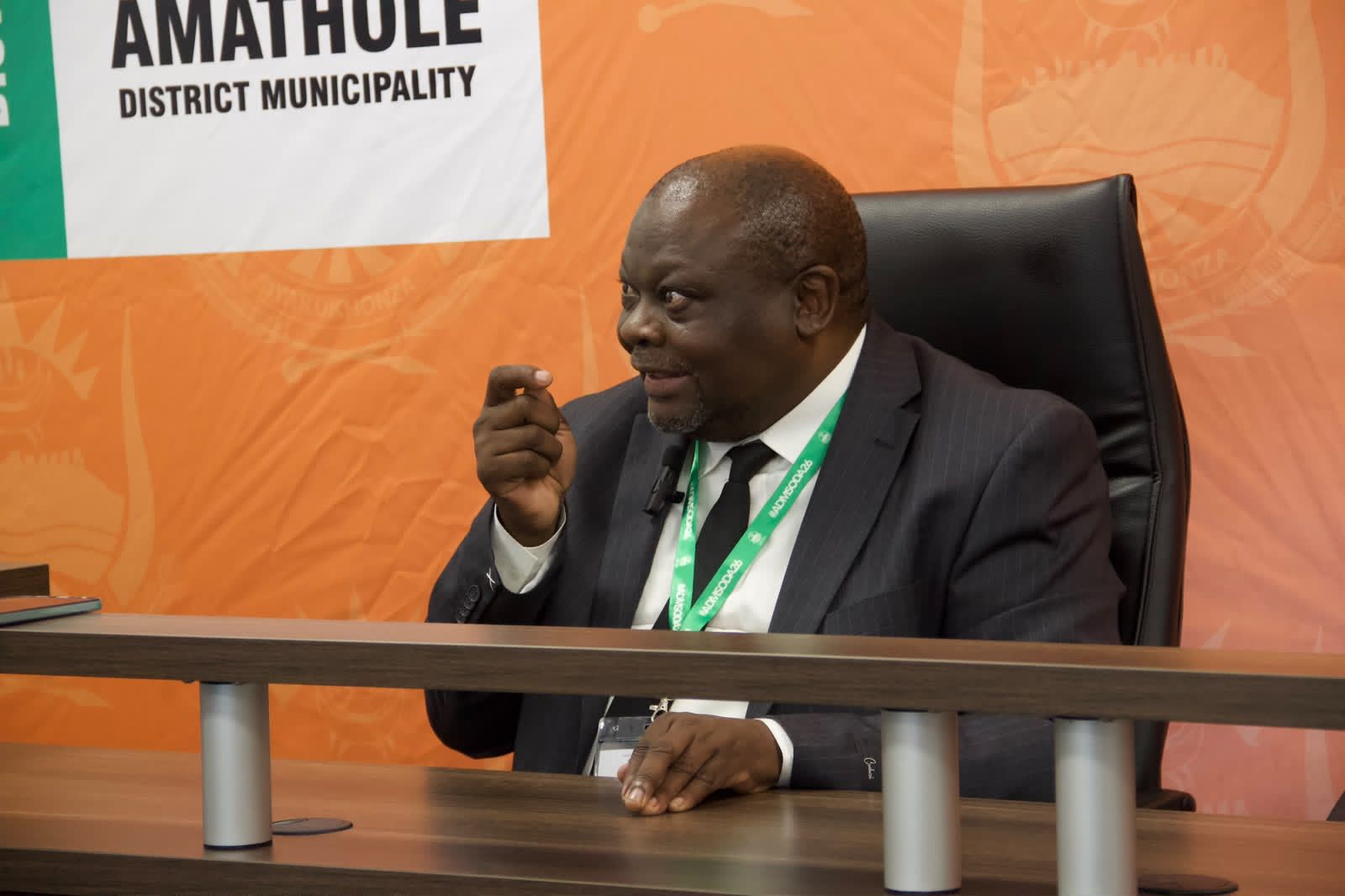
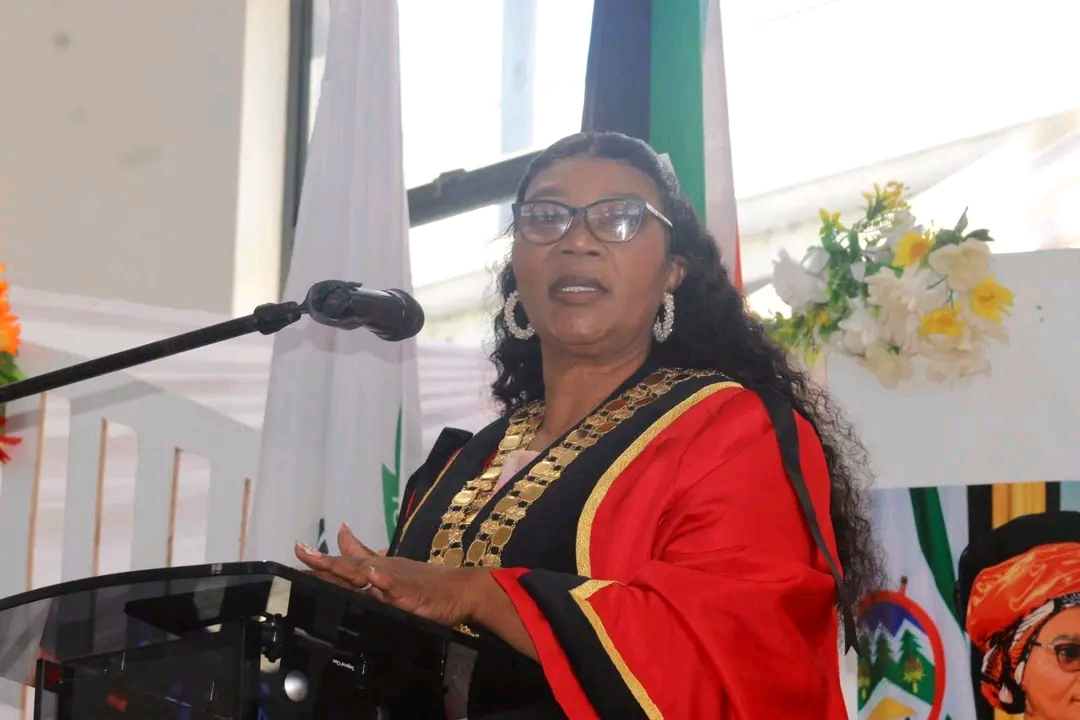
ADM Executive Mayor Cllr. Anele Ntsangani’s final State of the District Address (SODA) of the current local government term, delivered in Stutterheim on Friday, 24 August 2026 presented a picture of an administration determined to turn the page on one of the district’s most difficult
chapters.
For the first time in years, ADM has adopted a funded budget with no deficit, backed by
Provincial Treasury approval. This achievement is more than an accounting exercise. It signals a municipality beginning to restore financial credibility after four years under Municipal Financial Recovery.

Stable finances are the foundation upon which reliable service delivery can be built and for communities across Amathole, that foundation has long been absent.
The reforms outlined by Ntsangani deserve recognition. Filling critical senior management positions, implementing an MSCOA-compliant financial system, reducing costly office rentals
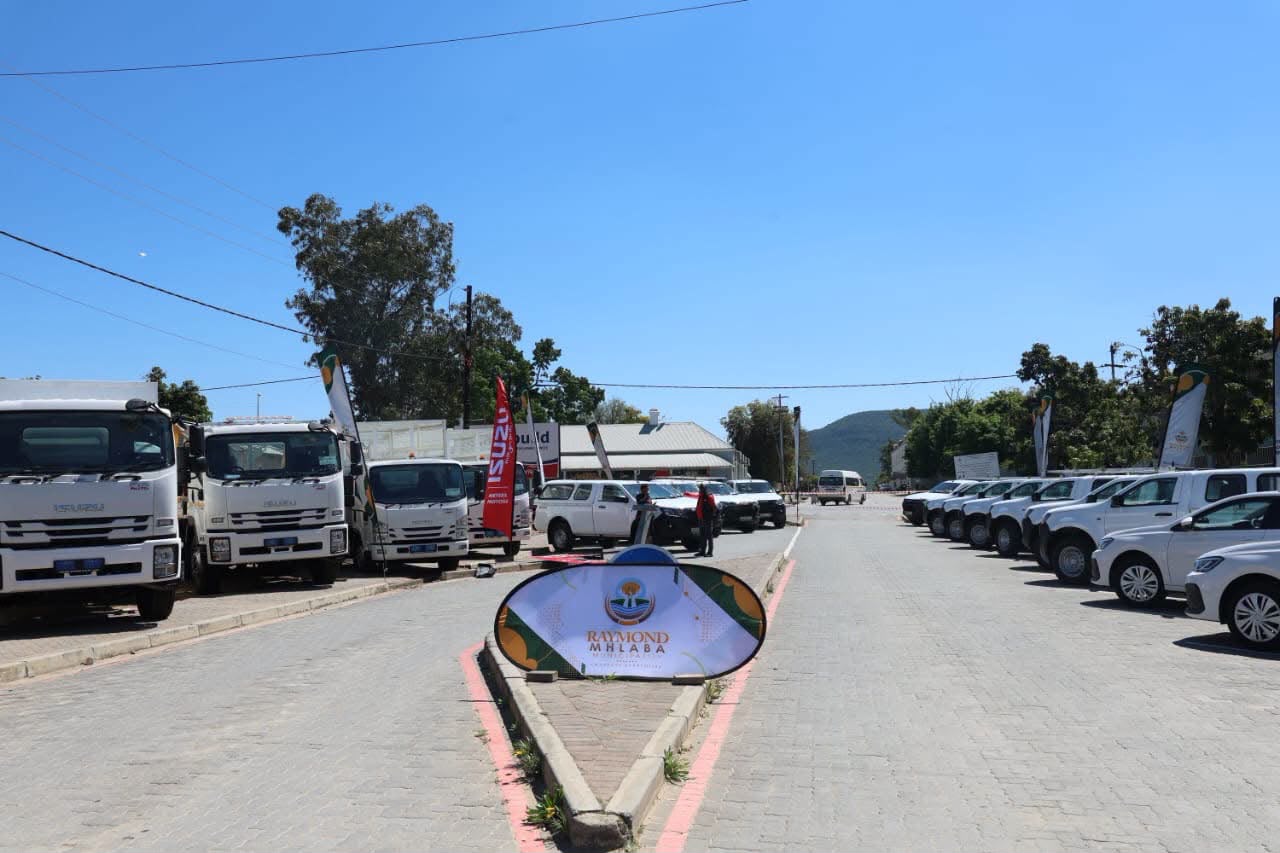
and replacing an ageing municipal vehicle fleet all point to an administration seeking greater efficiency and accountability.
These measures may not capture headlines like ribbon-cutting ceremonies do, but they are essential if municipalities are to function effectively.
Equally encouraging is the mayor’s emphasis on financial discipline. His administration’s
commitment to structural reform, improved governance, consequence management and
enhanced revenue collection reflects lessons learned from years of fiscal distress.
Municipalities cannot deliver quality services if their finances remain unstable and ADM’s
renewed focus on sustainability is a step in the right direction.
Yet budgets and governance reforms alone do not improve the daily lives of residents. The true measure of success will be whether communities begin to experience tangible improvements in their quality of life.

Furthermore, comments of Ward 9 committee member in Stutterheim Nonkosi Sibawu serve as a timely reminder of this reality. While she acknowledged progress in addressing water supply
challenges, she also highlighted the unfinished business that continues to define life for many residents.
Housing shortages, incomplete infrastructure projects, poor roads and inadequate
street lighting remain pressing concerns. In communities where crime is prevalent, functioning streetlights are not merely an infrastructure issue they are a matter of public safety.
This gap between municipal planning and lived experience is one familiar to many Eastern Cape residents. Communities have grown weary of promises that fail to materialise into completed
projects.

ADM’s balanced budget therefore raises expectations that implementation, rather
than announcements will define the municipality’s next chapter.
In addition the endorsement from South African Local Government Association (SALGA) President Councillor Bheke Stofile further reinforces the progress made. His praise for the
municipality’s political and administrative leadership reflects growing confidence that ADM has regained stability. His call for municipalities to play a greater role in energy generation also highlights an opportunity for local government to contribute meaningfully to South Africa’s longterm energy security while stimulating local economic development.
Economic development featured prominently in the mayor’s address. The R81 million
investment in the Mthontsi Lodge Conference Centre, progress towards securing recognition for the Amathole Biosphere Reserve and continued investment in heritage and tourism all offer opportunities to create jobs in a district where unemployment remains one of the greatest social challenges.
These initiatives must, however, translate into sustainable employment
opportunities that benefit local communities rather than temporary construction work alone.
ADM’s contribution to the District Development Model and programmes such as the Back-toSchool initiative, which will support learners in six schools with shoes, school bags and sanitary
towels through Standard Bank funding, demonstrates that partnerships between government and the private sector can make a meaningful difference where resources are constrained.
As this term of local government draws to a close, the legacy of the current administration will ultimately not be judged by the size of its budget or the language contained in official reports. It will be judged by whether taps continue to run, roads are repaired, homes are built, streetlights illuminate neighbourhoods and young people find opportunities closer to home.
The adoption of a balanced budget gives Amathole District Municipality something it has lacked for many years: financial stability and renewed confidence. The challenge now is to convert sound governance into visible service delivery.
Residents have heard enough promises. What
they expect and deserve is progress they can see.





Leave a Reply