


KUGOMPO CITY- The South African Social Security Agency (SASSA) in the Eastern Cape injects about R3.2 Billion into the Eastern Cape economy every month, supporting 2.8 million beneficiaries across the province.
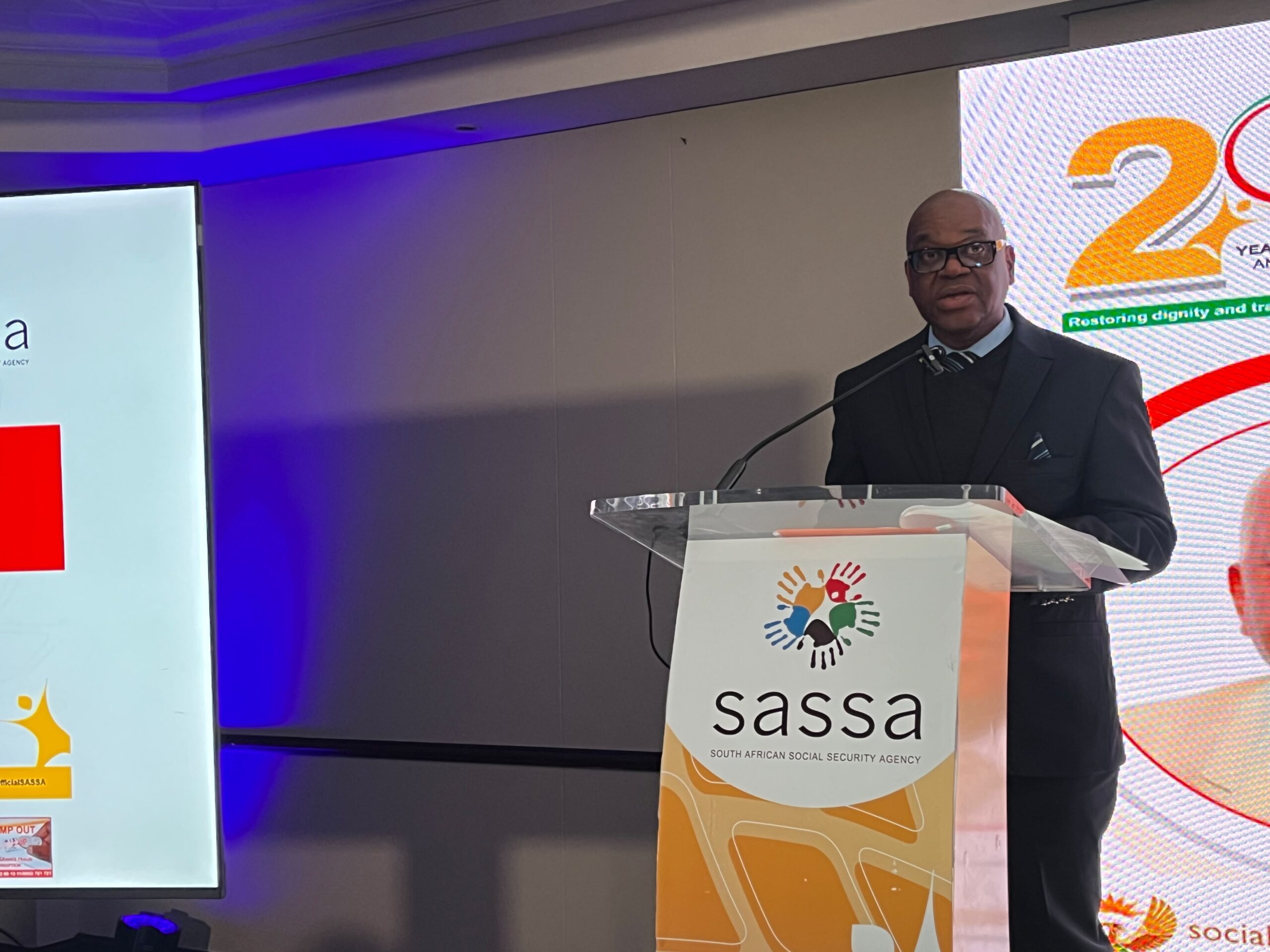
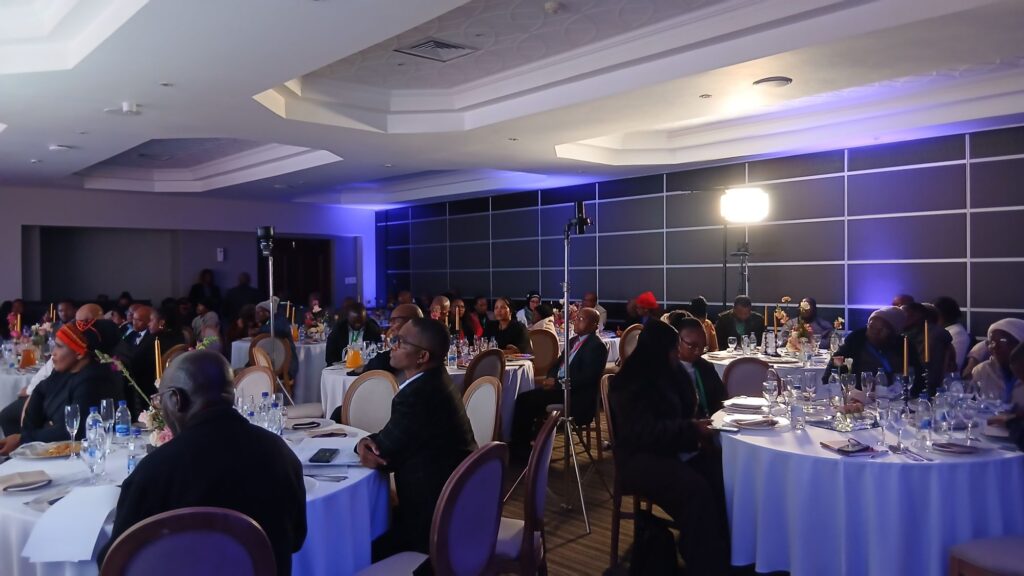
The figure was revealed by SASSA Eastern Cape Regional Executive Manager Bandile Maqetuka during a stakeholder engagement at the Premier Hotel Regent in KuGompo City on Tuesday, as the agency marked 20 years of administering social grants.
Maqetuka said senior citizens account for the largest share of the monthly expenditure, receiving about R1.5 Billion, while grants for children amount to approximately R1 Billion. People living with disabilities receive about R115 Million a month.

The money flowing into communities varies considerably across the province’s districts.
Amathole receives about R820 Million a month, followed by OR Tambo at R717 Million, Nelson Mandela Bay at R448 Million, Alfred Nzo at R413 Million, Sarah Baartman at R407 Million, Chris Hani at R404 Million and Joe Gqabi at R186 Million.
Maqetuka said the figures should not be viewed simply as statistics, but as money that directly affects the daily lives of millions of people.
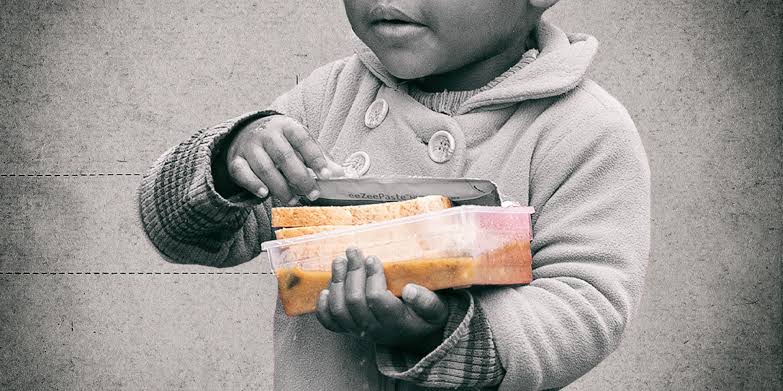
“Behind every number is a human being. Behind the R3.2 Billion is an elderly person buying food. It is a parent supporting a child. It is a person living with a disability meeting their basic needs,” he said.
Maqetuka said all SASSA beneficiaries in the province are now banked, with about 90% receiving their grants through commercial banks and the remaining 10% through the South African Post Office.
He questioned whether financial institutions were doing enough to support the communities from which they derive significant business.
“Are those banks giving back to those communities? They get a lot of money on behalf of our elderly people, people with disabilities, our children,” he said.
The SASSA executive also challenged political leaders and businesses to examine what happens to grant money after it reaches communities.
“What happens to that money when it gets to that district? Who benefits out of that money? Our politicians must ask that question. Our business people must ask that question,” Maqetuka said.
He said most of the grant money was spent on food, raising concerns about the extent to which local communities benefit from this spending.
“Has it been owned by our people? Answer no,” he said.
His comments put the spotlight on the wider economic role of social grants in the province, where grant payments provide a crucial source of income for households while also supporting retailers and other businesses.
The stakeholder engagement also turned to fraud within the social grant system.
Maqetuka said SASSA had dismissed officials implicated in grant-related fraud since February 2025, with the highest number of cases recorded in the Amathole district.

He warned that grant fraud should not be regarded as a victimless offence because the consequences are ultimately felt by vulnerable beneficiaries.
“Fraud is not a victimless crime,” Maqetuka said, stressing that stolen grant money could mean lost food, medication or other essential support for beneficiaries.
The stakeholder session formed part of SASSA’s 20th anniversary commemorations, held under the theme “Restoring dignity and transforming lives”.
Maqetuka said the agency’s core responsibility remained unchanged after two decades.
“Twenty years on, our commitment remains to pay the right social grant to the right person at the right time and place. NJALO!” he said.
Photographs: Sthabile Sambela
Sthabile Sambela
12 August 2026




Leave a Reply