


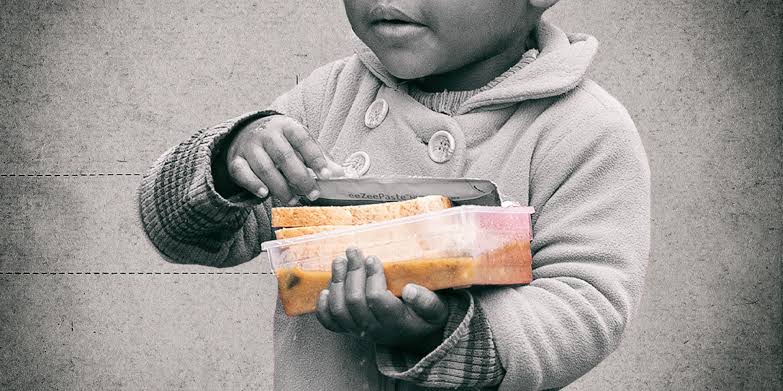
BHISHO- The Democratic Alliance(DA) in the Eastern Cape has launched a fresh attack on Eastern Cape Premier Oscar Mabuyane, accusing his administration of failing to address the province’s deepening child malnutrition crisis after revealing that 2,654 children are currently suffering from acute malnutrition across the province.
The figures, contained in a provincial government reply to DA parliamentary questions and released by the party on 05 August 2026, indicate that 754 children are classified as suffering from severe acute malnutrition.
DA Shadow MEC for Eastern Cape Department of Social Development MPL Marlene Ewers said the statistics paint a disturbing picture of a humanitarian crisis affecting communities across the province.

According to the data, Alfred Nzo District recorded the highest overall number of acute malnutrition cases, with 572 children affected. OR Tambo District reported the highest number of severe cases at 147, while Nelson Mandela Bay recorded 508 cases, including 103 severe cases.
Ewers said the figures demonstrate that child malnutrition is no longer confined to isolated rural communities but has become a province-wide crisis affecting both urban and rural areas.
Furthermore, she criticised Premier Mabuyane’s administration for what she described as years of unfulfilled commitments following investigations by the South African Human Rights Commission (SAHRC).
According to Ewers, Mabuyane appeared before the SAHRC inquiry into child malnutrition in 2022, where he acknowledged weaknesses in government’s response. At the time, he supported improved data collection, stronger coordination between government departments, better early-warning systems and the establishment of a provincial command council to oversee interventions.

She said the Premier returned before the commission in September last year, admitting that government had been ‘very sluggish’ in responding to the crisis. Although he rejected calls to declare child malnutrition a provincial disaster, he committed to strengthening surveillance, coordination and case management through a command-centre approach.
“But since then, nothing has changed,” Ewers said.
“Somewhere in the Eastern Cape, a mother is trying to make the last food in her home stretch for another day. A child is going to bed hungry, waking without energy and returning to a home where there may still be no nutritious meal waiting.”
The Department of Social Development, however, told Parliament that the detection and treatment of malnutrition falls under the Department of Health.
The department said its role focuses on household support interventions, including three-month Social Relief of Distress food parcels, six-month Breakfast Pack programmes supported by private sector partners, Expanded Public Works Programme opportunities for qualifying caregivers and daily meals provided through Community Nutrition and Development Centres.

In addition while acknowledging that these programmes provide some assistance, Ewers argued that government has failed to implement an integrated response linking health services with social support.
“Each intervention may provide temporary relief, but there is no evidence that these measures form a coordinated pathway from screening and treatment to household support and sustained recovery,” she said.
“The response gives no alignment between what Health identifies and what Social Development delivers.”
The DA said it will request a joint committee briefing in the provincial legislature and push for a fully funded provincial child nutrition plan with clearly defined responsibilities across departments. The party also wants quarterly public reporting on the number of children identified, treated and successfully recovering.
“This cannot become another government plan that exists on paper while children continue to go hungry,” Ewers said.
“Every one of these 2,654 children has a name, a family and a future that is being placed at risk. They need more than temporary relief, awareness campaigns and repeated promises. They need a provincial government that identifies children at risk early, gets food and support into their homes and stays with them until they recover.”
She concluded that the Eastern Cape government cannot claim to prioritise the wellbeing of children while thousands continue to suffer from acute malnutrition.
The Eastern Cape provincial government had not issued a response to the DA’s latest criticism at the time of publication.
Photograph: Daily Maverick/Supplied
Siphosethu Rexe
06 August 2026








Leave a Reply