EAST LONDON- Small-scale farmers in the Eastern Cape are facing significant challenges in accessing water for their crops and livestock, threatening their livelihoods and the province’s food security.
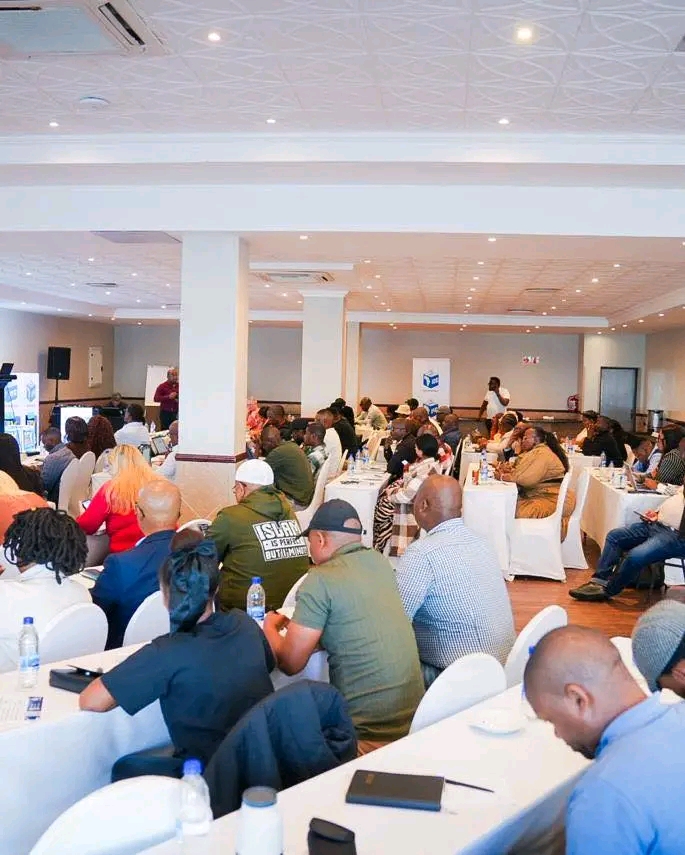
On 14 July 2025 the Eastern Cape Department of Water and Sanitation(DWS) hosted a raw water tariff consultation session in East London, as part of its review of tariffs for the 2026/2027 financial year.
According to Eastern Cape Department of Water and Sanitation Head Portia Makhanya, the consultation sessions aim to gather input from stakeholders to inform tariff approvals. “We conduct yearly budget preparations to assess cost increases and determine if water tariffs need to be adjusted.”

Provincial Head Makhanya further added that, “The department meets with stakeholders, differentiated by geographical location to ensure all are consulted.”
However, farmers argue that high raw water tariffs are affecting their profitability and sustainability.
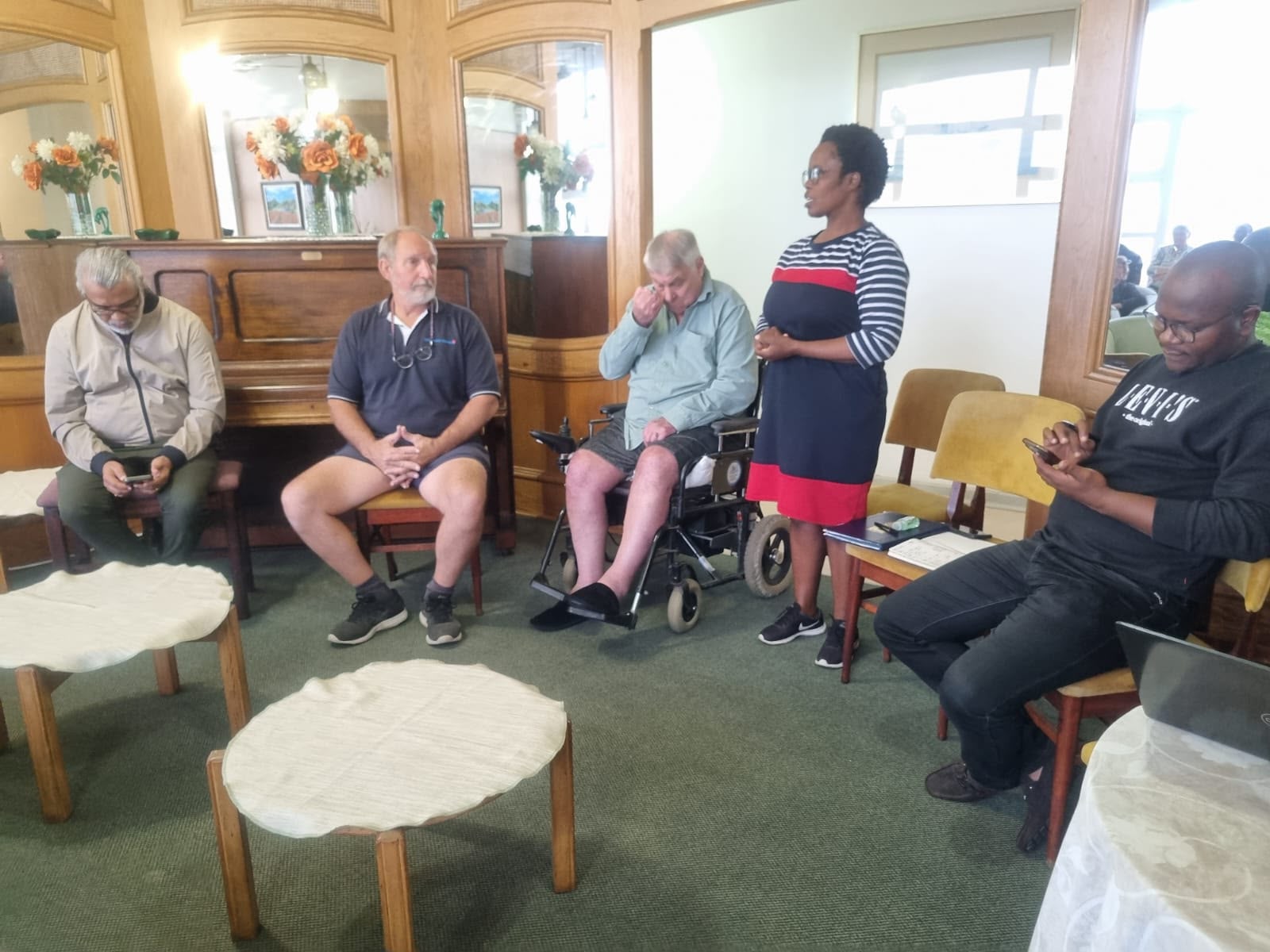
A Representetive from Gompo Farmer’s Association Xolisa Chibi, advocated that for accessible information, resources and feasible government requirements to support small-scale farmer development and sustainability.

In addition some of the challenges that are facing small-scale farmers include; Inadequate infrastructure, Limited funding, Small land sizes (typically 60×40 sites), High raw water tariffs affecting profitability, Limited access to markets and resources-, Climate change and weather unpredictability, Soil degradation and poor water quality, Limited access to extension services and training, Inadequate policy support and regulation.
“We need equitable raw water tariffs, increased funding and subsidies and better access to extension services and training,” Chibi said.
He further added, “The current raw water tariffs are unaffordable for most small-scale farmers, we are not asking for free water but rather tariffs that are fair and take into account our limited resources and profitability.”
In addition the association aims to support small-scale farmers in overcoming these challenges and achieving sustainability, ultimately contributing to the region’s economic growth and food security.
As the consultation sessions continue, small-scale farmers remain hopeful that their voices will be heard and that the DWS will implement policies that support their development and sustainability.
Furthermore the future of small-scale farming in the Eastern Cape hangs in the balance and the outcome of these consultation sessions will have far-reaching consequences for the province’s food security and economic development.
The Eastern Cape is one of the poorest provinces in South Africa, with high levels of unemployment and poverty.
Small-scale farming is seen as a key sector for economic growth and development, but farmers face numerous challenges in accessing markets, finance and resources.
The DWS has not yet responded to requests for comment on the matter. However, the department has previously stated its commitment to supporting small-scale farmers and ensuring equitable access to water resources.
To this end, the struggles of small-scale farmers in the Eastern Cape highlight the need for supportive policies and resources. By working together, farmers, government, and other stakeholders can find solutions to these challenges and promote sustainable agriculture in the region.
The DWS will host water tariff consultation sessions across Eastern Cape key towns, including; Komani, Nxuba, Gqeberha, East London(hosted on 14 July 2025), Kokstad and Ugie.
This story was compiled from the East London water tariff workshop.
Photographs: DWS
Sandiswa Mgobo & Siyolise Matala
14 July 2025