


KUGOMPO CITY- Health partners in the Eastern Cape have called for stronger patient tracing and improved HIV prevention services as they seek to close gaps in treatment retention ahead of South Africa’s 2030 target of ending AIDS as a public health threat.
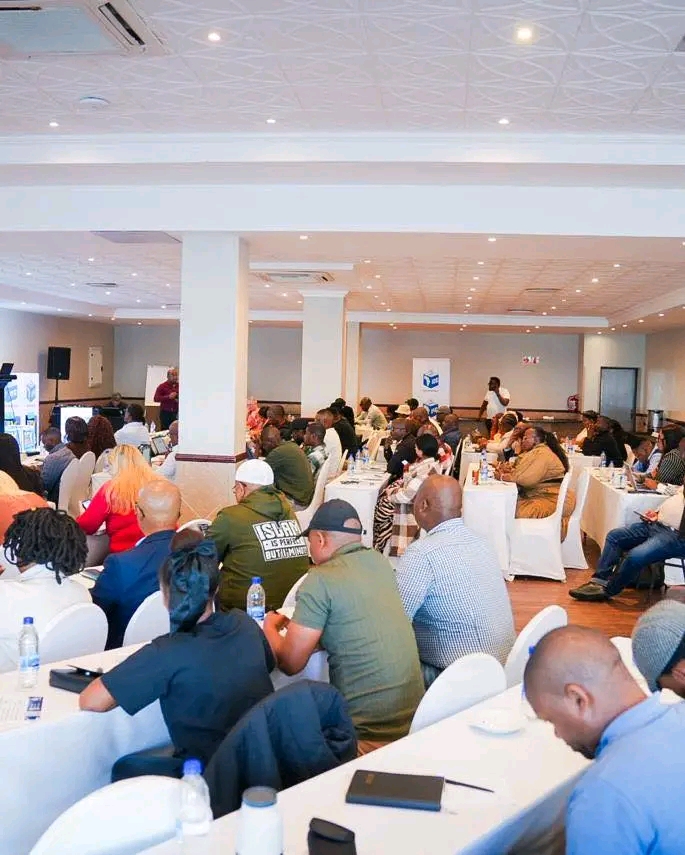
The call came during a Patient and Partner HIV Roundtable hosted by the AIDS Healthcare Foundation South Africa (AHF SA) at its East London office on Tuesday, 13 October.
The meeting brought together patients, healthcare partners and civil society representatives to discuss persistent challenges in HIV prevention, treatment and keeping patients in care, particularly in Amathole District Municipality.

The roundtable formed part of AHF SA’s 25-year activities and its Treatment Life campaign, which aims to renew focus on prevention, treatment, retention and the sustainability of HIV services.
AHF SA country programme director Dr Nombuso Madonsela said the organisation had been involved in South Africa’s HIV response since the early years of the epidemic and expanded its work into rural Amathole in 2007, providing treatment and infrastructure support.
However, she said several challenges continued to undermine progress.
“We have challenges with index testing, finding all the HIV patients, combination prevention and upscaling condom utilisation as well as ensuring that our patients are retained in care,” she said.

TB HIV Care regional manager Nomonde Ngada said Amathole was struggling to meet the second of the UNAIDS 95-95-95 targets, which focuses on ensuring that people diagnosed with HIV receive antiretroviral treatment.
Ngada said overcrowded healthcare facilities and busy clinicians made it difficult to monitor patients consistently and follow up those who missed appointments.
“Facilities are full, clinicians are busy. You need somebody to monitor that,” she said.
She also raised concerns about patients recorded as having transferred to other healthcare facilities who were later found at home with unused referral letters.
The cases, she said, highlighted the need for better follow-up to establish whether patients had continued treatment elsewhere or had become disconnected from care.
Ngada added that, tracing patients soon after they missed appointments produced better results than waiting until they had been absent from care for longer.
According to figures she shared at the meeting, between 19% and 20% of patients with early missed appointments returned to care after tracing, compared with 11% among those traced later.
“When you trace early you bring 37% of clients that would never have come back,” she said.
Her remarks highlighted the importance of early intervention and community-based follow-up in helping patients resume treatment before they become lost to care.

Ngada also pointed to a significant gap in the uptake of pre-exposure prophylaxis (PrEP), medication used by HIV-negative people to reduce their risk of acquiring HIV.
She said uptake among pregnant women stood at 70%, compared with just 7% among young people.“Stigma is still there,” she said.
The figures raised concerns about the need to make HIV prevention services more accessible to young people while addressing the stigma that can discourage people from seeking information, testing and treatment.
For 55-year-old Mantombi Ndarha, from Xesi the importance of continued treatment is reflected in her own experience of living with HIV.
Ndarha said she was diagnosed with HIV in 2004 following the death of her only child. She credited AHF with supporting her journey and helping her improve her life.

Her story was shared at the roundtable as a reminder that an HIV diagnosis does not prevent people from building meaningful lives when they have access to treatment and support.
“I was diagnosed at the age of 22 but I’m 55 years old now drinking these pills, even if you are HIV positive you still live a long life. I am living proof of that,” Ndarha said.
Her testimony underscored the importance of sustained access to antiretroviral therapy and support for people living with HIV.
A student ftom iYunivesithi Walter Sisulu also shared the emotional challenges she experienced after being diagnosed with HIV while in matric in November 2024.
The student said she had considered suicide because she feared her family would discover her status.
However, after disclosing her diagnosis, she received their full support.She said she had continued pursuing her Diploma in Hospitality Management despite the difficulties.
“Today I am still pursuing my Diploma in Hospitality Management at Walter Sisulu University,” she said.
The student said she had experienced bullying at school and was also diagnosed with tuberculosis, making an already difficult period in her life even more challenging.
She said she continued to live with fear but was learning to take life one day at a time.
“My HIV status is part of my story but it is not the end of my story,” she said.
Her message to young people was direct: “No condom, no sex.”
Her experience highlighted the importance of family support, access to healthcare and efforts to tackle discrimination against people living with HIV.
The discussions in Amathole highlighted the need to strengthen HIV prevention, improve patient tracing and ensure that people who miss appointments receive timely support to return to treatment.
While testing and initiating treatment remain important parts of the HIV response, keeping patients connected to care is equally critical to achieving sustained treatment outcomes.
The concerns raised at the roundtable also pointed to the need for stronger prevention efforts among young people, particularly in addressing the low PrEP uptake reported by Ngada.
With 2030 approaching, healthcare providers and community partners face the challenge of ensuring that progress in HIV treatment is not undermined by missed appointments, stigma or gaps in prevention services.
For Amathole, improving patient follow-up and strengthening community-based support could play an important role in helping more people remain in care.
The message from the roundtable was clear: reaching people with HIV services is only part of the task; ensuring that they can continue accessing those services is essential to South Africa’s goal of ending AIDS as a public health threat by 2030.











Leave a Reply