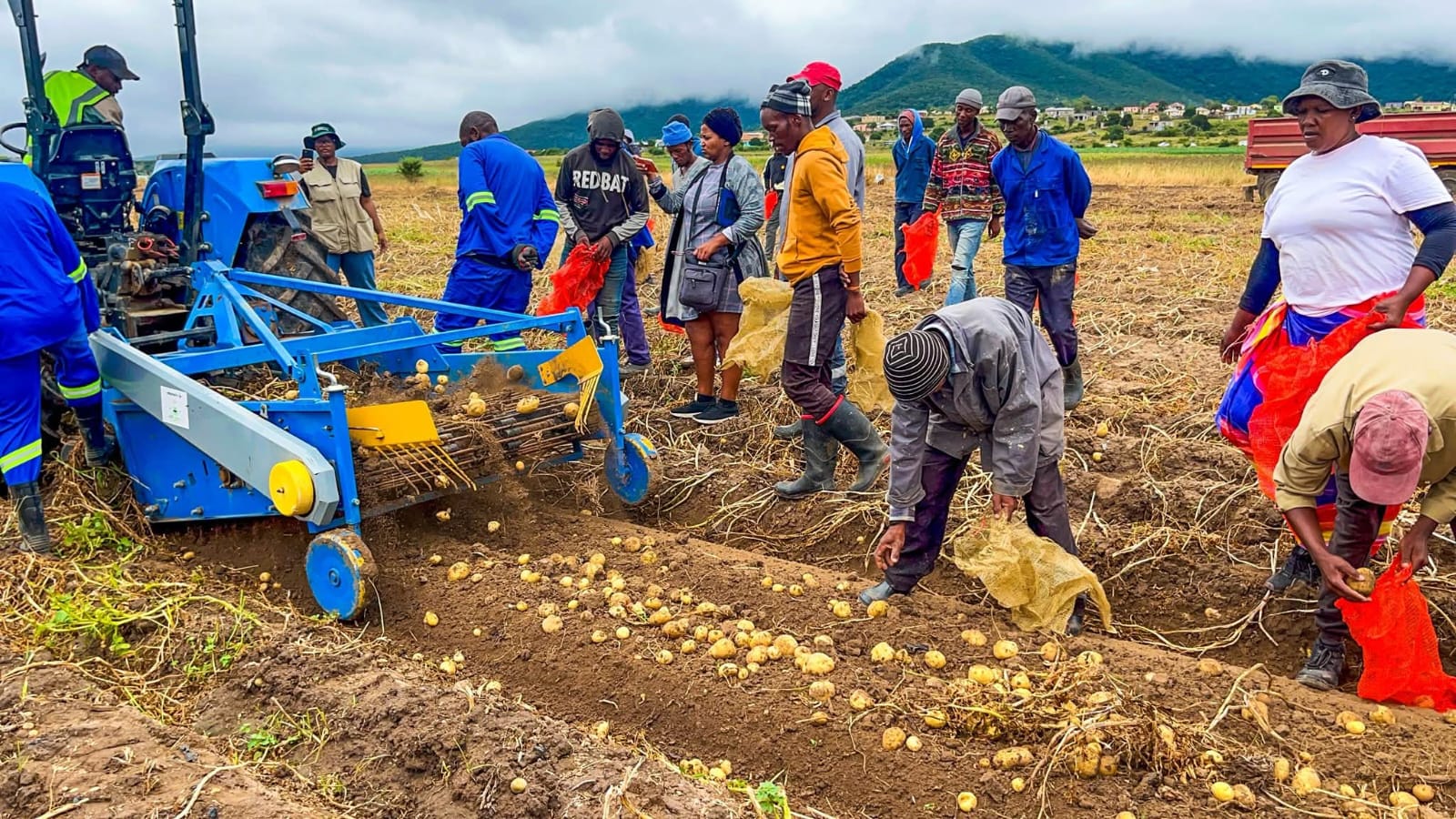
MIDDLEDRIFT- The Eastern Cape Department of Agriculture(EC DoA) launched a R19 million provincial initiative aimed at reviving irrigation schemes to boost agricultural productivity and strengthen food security across the province.
The irrigation schemes revival programme was officially launched in Middledrift on 27 January 2026 by EC DoA MEC Nonceba Kontsiwe.
The programme focuses on rehabilitating and expanding existing irrigation infrastructure to support emerging and small‑scale farmers.

Key interventions include repair of centre pivots and sprinkler systems, provision of tractors and farming implements and restoration of critical agricultural equipment.
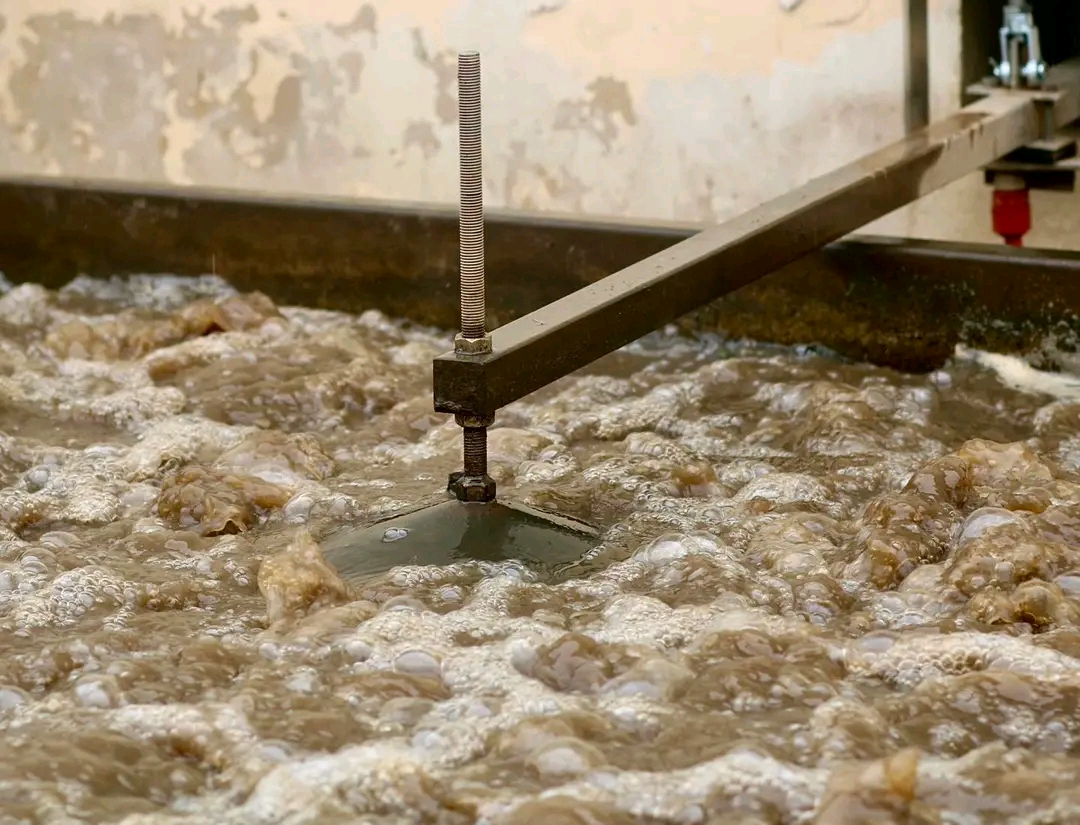
Among these is the repair of the Zanyokhwe potato washer, which is expected to enhance citrus production on approximately 300 hectares of land with existing water rights.
Speaking at the launch, MEC Kontsiwe emphasised the importance of public‑private partnerships in sustaining government agricultural programmes and accelerating rural development.
“Sustainable agricultural development requires collaboration. The involvement of the private sector is critical in strengthening government initiatives and ensuring farming communities become economically viable,” said Kontsiwe.
Old Mutual Regional Director Noxolo Qika echoed these sentiments, noting that private‑sector inclusion is essential to the programme’s success, strengthening cooperation between government, private stakeholders and farmers.
The programme will be implemented across key agricultural districts, with investments including:- R5 million for 613 hectares in the Amathole District;- R6 million for 700 hectares in the OR Tambo.
Chris Hani District, with an estimated productive yield of 215 hectares valued at R3.5 million;- R5 million allocated to the Eastern Cape Rural Development Agency (ECRDA) for commercialisation, market organisation and access to modern production technologies.
Farmers at the Middledrift launch welcomed the initiative, describing it as a major boost to local agriculture that will improve farming skills, strengthen community cohesion and contribute to provincial and global food security.
Photograph: supplied